




The Quest for Team Balance
In the early 2000s, One-Day International cricket was rapidly evolving. Top teams like Australia, South Africa, and Sri Lanka boasted wicket-keepers who were also formidable batsmen—Adam Gilchrist, Mark Boucher, and Kumar Sangakkara. These players provided
crucial depth, effectively giving their teams an extra batting option. India, however, was struggling with this balance. After Nayan Mongia, the team had cycled through several specialist keepers who offered little with the bat. This meant India’s batting lineup often ended at number six, leaving the side vulnerable and with a long tail compared to its rivals. Captain Sourav Ganguly identified this as a critical weakness that needed a bold solution if India were to compete for major trophies like the upcoming 2003 World Cup.
A Captain's Calculated Gamble
Sourav Ganguly’s solution was both audacious and pragmatic. He needed to find a way to play seven genuine batsmen. As he later explained, the goal was simple: to deepen the batting order. The answer lay in asking one of the team’s premier batsmen to take on the additional, physically gruelling role of wicket-keeper. His choice was Rahul Dravid. Beyond just team balance, Ganguly was also fighting a battle behind the scenes. Selectors were questioning Dravid’s place in the ODI side due to his relatively low strike rate, suggesting more aggressive options were needed. Ganguly stood firm, convinced that dropping a player of Dravid’s calibre would be a grave mistake. By making him the wicket-keeper, he not only protected a vital team member from being axed but also solved the team's structural puzzle in one go. It was a move to preserve a legend while fortifying the team.
The Wall Becomes the All-Rounder
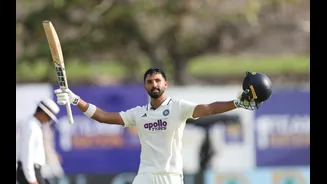
For Rahul Dravid, this was no small ask. He was not a natural wicket-keeper and had only done the job sparingly in his junior years. The role demanded immense fitness, concentration, and a completely different skillset from his primary craft. Ganguly himself admitted that the decision was "hard on him," but stressed that the needs of the team had to come first. True to his reputation as the ultimate team man, Dravid accepted the challenge. Though reluctant, he dedicated himself to the dual role, seeing it as his duty to the team. This sacrifice epitomised the selfless culture Ganguly was building—a culture where star players were willing to step out of their comfort zones for the collective good. Dravid’s willingness to don the gloves became a symbol of this new, unified 'Team India' spirit.
A Masterstroke's Legacy
The results of Ganguly’s gamble were immediate and profound. With Dravid behind the stumps, India could consistently field an extra specialist batsman, with players like Mohammad Kaif and Yuvraj Singh getting more opportunities to become the match-winners they were. This newfound depth was instrumental in some of India's most famous ODI victories, including the historic NatWest Series final in 2002 and their incredible run to the 2003 World Cup final. Dravid performed the role with diligence for over two years, effecting 84 dismissals in 73 ODIs. More importantly, the tactical shift gave the entire team a new sense of flexibility and confidence. It allowed India's explosive strokemakers to play with more freedom, knowing they had a deep and reliable batting order to back them up. The move didn't just save Dravid's ODI career; it reshaped the entire team.