
Upstream: Building the Rockets and Satellites
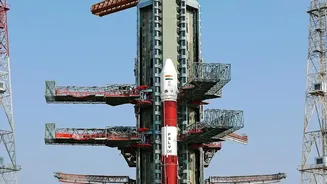
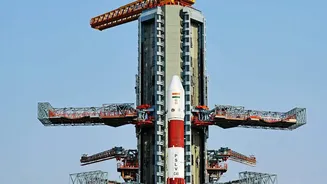
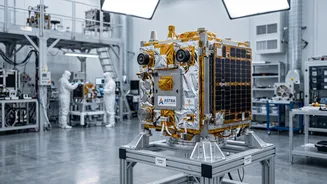
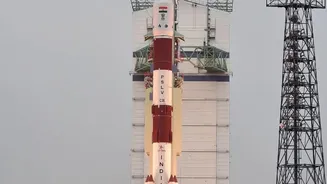
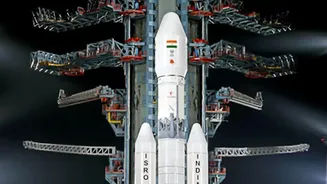
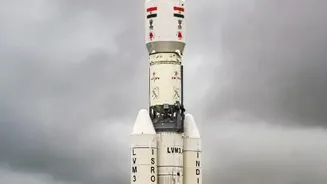
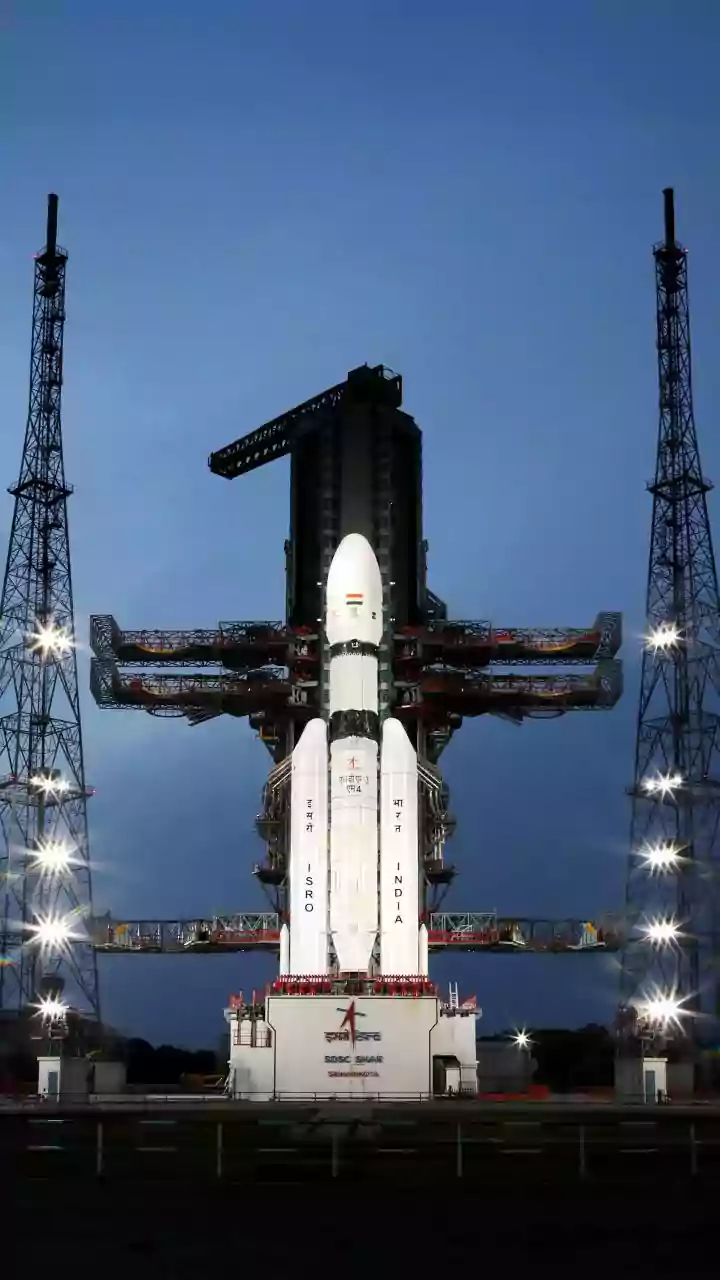
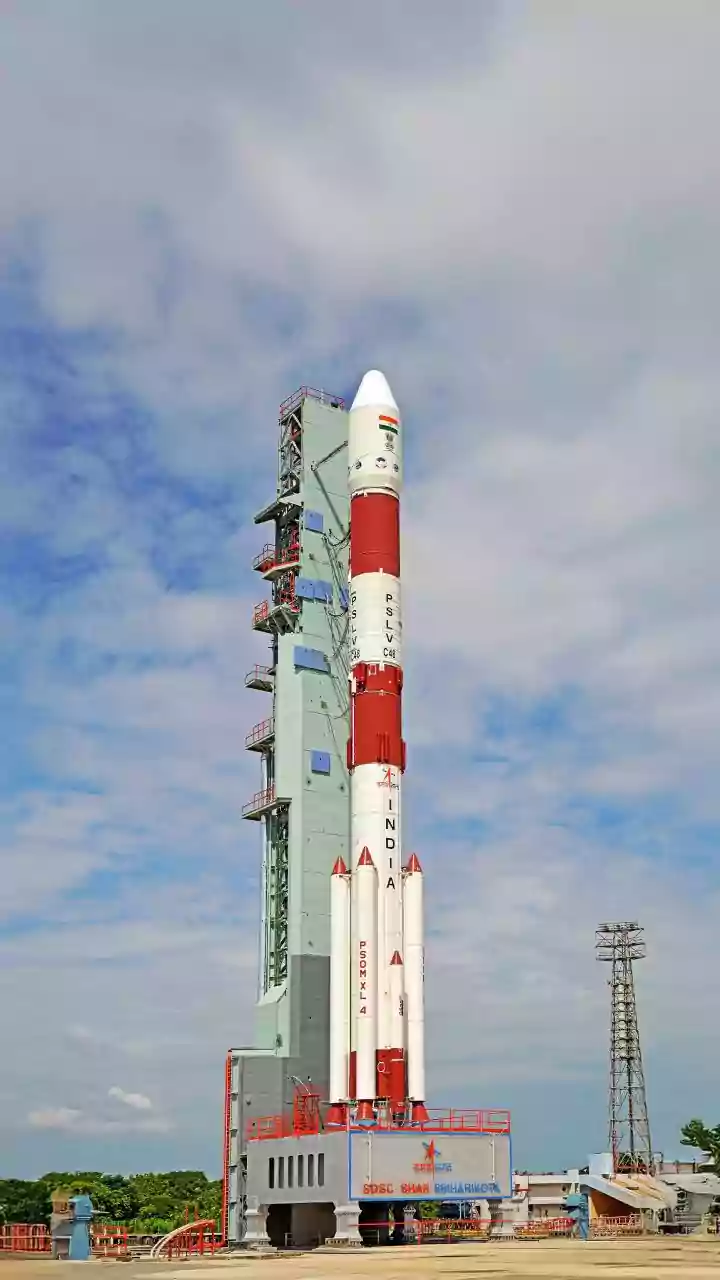
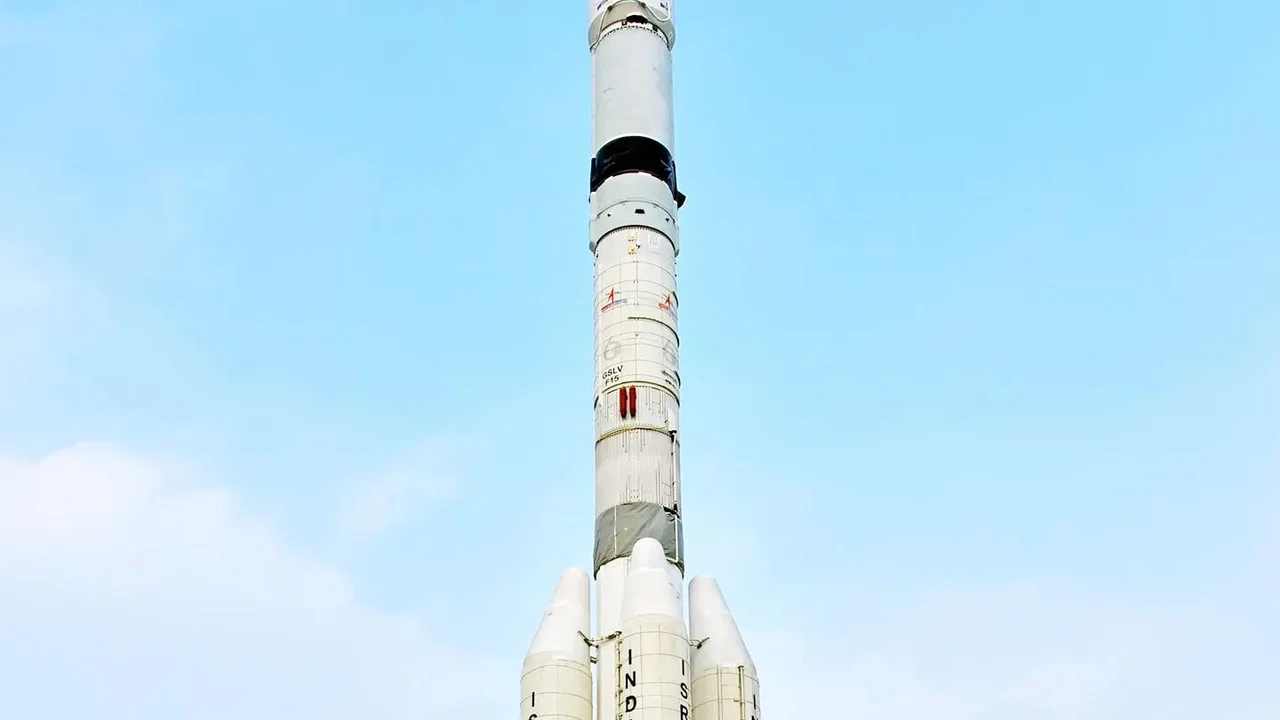
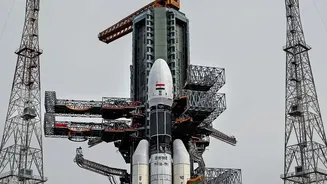
The most visible part of the space industry is the 'upstream' sector, which involves manufacturing satellites and launch vehicles. As India aims to increase its share of the global launch market, private companies like Skyroot Aerospace and AgniKul Cosmos
are building their own rockets. This creates a massive demand for aerospace, mechanical, and electronics engineers to design, build, and test everything from rocket engines to satellite components. With over 400 space-tech startups now in the ecosystem, roles in propulsion, embedded systems, satellite integration, and advanced manufacturing are multiplying rapidly.
Downstream: Using Space Data on Earth
The 'downstream' sector is where the space economy touches everyday life, and it's projected to generate the most revenue in the future. This involves using data from satellites for a huge range of applications. Satellite Data Analysts and Remote Sensing & GIS Experts are needed to interpret this information for agriculture (monitoring crop health), disaster management (predicting floods and cyclones), urban planning, and telecommunications. Companies like Pixxel, which builds hyperspectral imaging satellites, are hiring people with skills in data science, machine learning, and software development to turn complex space data into actionable insights on Earth.
Mission Control and Ground Operations
Every satellite and rocket needs a dedicated team on the ground to manage its journey. Mission Operations Specialists are responsible for planning the mission, controlling the spacecraft, and troubleshooting any issues that arise. This includes roles at ground stations responsible for tracking, telemetry, and command operations. As private companies begin to operate their own satellite constellations and launch services, they are building their own mission control centers, creating jobs for software developers, network engineers, and operations managers who ensure seamless communication between Earth and space assets.
Research and Development
While ISRO remains a powerhouse of research, private R&D is also surging. This field is pushing the boundaries of what's possible, creating roles for scientists and engineers focused on long-term innovation. This includes developing new materials that can withstand the harsh environment of space, designing more efficient propulsion systems with companies like Bellatrix Aerospace, and creating advanced robotics for future space exploration and in-orbit servicing. A background in physics, materials science, or robotics can lead to a career inventing the next generation of space technology.
The Business of Space: Ancillary Roles
You don't have to be a rocket scientist to work in the space industry. As the sector commercializes, a vast ecosystem of support roles has emerged. The Indian Space Policy 2023 has created a need for Space Law and Policy Experts to navigate the new regulatory landscape. With startups attracting millions in investment, finance professionals and venture capitalists with a focus on deep tech are in high demand. Furthermore, these companies need business development managers, marketing professionals, accountants, and visual designers to build their brand, sell their services, and manage their growth.