




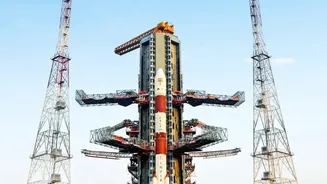
The Indian Space Research Organisation (ISRO) is set for another landmark mission, preparing to launch a next-generation navigation satellite. This launch is a crucial step towards reinforcing NavIC, India's very own independent navigation system.
The Mission at Hand
All
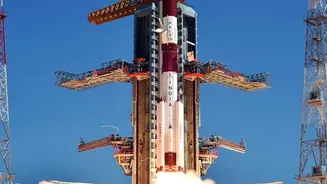
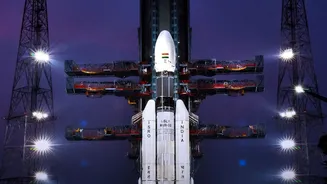
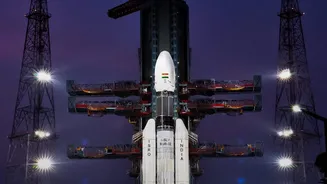
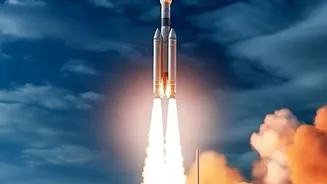
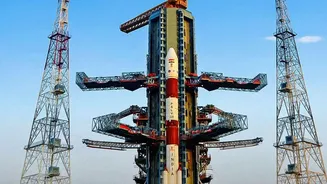
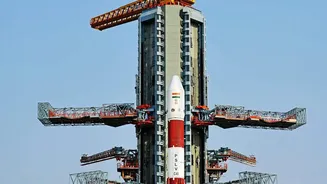
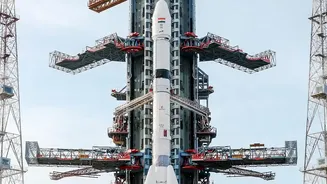
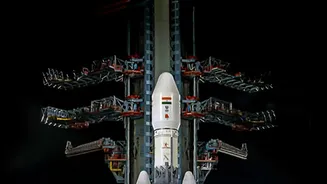
eyes are on the Satish Dhawan Space Centre in Sriharikota, where ISRO's powerful Geosynchronous Satellite Launch Vehicle (GSLV-F18) is scheduled for a pivotal flight. The rocket is tasked with carrying the NVS-03 satellite, a 2,232 kg next-generation asset, into a Geosynchronous Transfer Orbit (GTO). This mission, the 20th flight for the GSLV, is critical for the continuity and enhancement of India's regional navigation services. The launch, which took place on October 30, 2026, marks a significant effort to bolster a key national strategic asset after some of the constellation's older satellites faced technical issues.
Meet NVS-03: The New Eye in the Sky
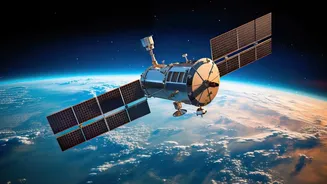
The star of this mission is the NVS-03 satellite. It's the third satellite in the second-generation NavIC (Navigation with Indian Constellation) series, designed to ensure the system remains robust and reliable. One of its most important features is an indigenously developed rubidium atomic clock, which provides the ultra-precise timekeeping necessary for accurate location data. Failures of imported atomic clocks had crippled some of the earlier first-generation satellites, making this indigenous technology a major step towards self-reliance. Furthermore, the NVS series satellites broadcast on a new L1 frequency band, in addition to the existing L5 and S-bands. This makes the NavIC signal more compatible with consumer devices like smartphones and wearables, paving the way for wider public adoption.
Why NavIC is a Game-Changer for India
NavIC is India's answer to the American GPS, Russia's GLONASS, and China's BeiDou. While most people think of GPS as a universal utility, access can be denied by its operators, as India reportedly experienced during the Kargil War. Having a sovereign navigation system like NavIC provides crucial strategic autonomy, ensuring that India's defence forces and critical infrastructure have guaranteed access to positioning, navigation, and timing (PNT) services. The system provides two tiers of service: a Standard Positioning Service (SPS) for all civilian users and a secure, encrypted Restricted Service (RS) for military and strategic applications. The system is designed to be highly accurate, offering positioning better than 20 meters over its entire coverage area.
The 'Naughty Boy' Comes Good
Delivering a satellite over 2,000 kg to a high altitude GTO is no small feat, and that's the job of the GSLV. This three stage rocket, standing 50 metres tall, is a powerhouse in ISRO's fleet. Its most complex component is the indigenous cryogenic upper stage, which uses super cooled liquid hydrogen and liquid oxygen as propellants. The technological challenges in mastering this stage earned the GSLV the affectionate but telling nickname 'naughty boy' in its early years. However, with a string of successful flights, the GSLV has proven itself to be a reliable workhorse, essential for launching India’s heaviest communication and navigation satellites, thus reducing reliance on foreign launch providers.
Strengthening a National Asset
The successful launch of NVS -03 aboard GSLV -F18 does more than just place a piece of hardware in orbit ; it restores the NavIC constellation to the minimum of four operational satellites required for providing standalone positioning services. In recent times, the constellation 's capacity had been diminished due to the ageing of first -generation satellites. This launch brings NavIC back to full strength, ensuring its services — from vehicle tracking and disaster management to maritime navigation and secure military communications — can continue without interruption. It 's a clear signal of India 's commitment to maintaining an independent and robust regional navigation network, a vital component of modern technological and strategic power.