



The Rise of the Shoulder Season
September and October have traditionally been considered a 'shoulder season'—the period between a destination's peak and off-peak times. For years, this was a secret known only to budget-hackers and crowd-averse travellers. Now, it's becoming mainstream
for Indians. Travel companies report a noticeable trend of travellers planning getaways during this time, taking advantage of a confluence of factors: multiple festivals like Ganesh Chaturthi and Dussehra create long-weekend opportunities, the post-monsoon weather is pleasant, and the chaos of the summer peak season has subsided. This isn't just about saving money; it’s about a smarter, more relaxed way to travel. With fewer tourists, attractions are more accessible, cities feel more authentic, and the entire experience is less hurried. This shift reflects a growing sophistication among Indian tourists who prioritise experiences over simply checking off a destination.
Europe's Autumnal Charm
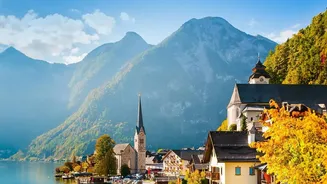
The dream of a European holiday is often associated with the bright, sunny days of summer. However, a growing number of Indian travellers are discovering the magic of Europe in autumn. The period from September to October offers a compelling proposition: the weather remains pleasantly cool and ideal for sightseeing, without the sweltering heat of July and August. Imagine strolling through Paris or Rome as the leaves turn golden, with far fewer people at iconic landmarks. This is the shoulder season advantage. Beyond the smaller crowds, there are significant cost benefits. Airlines and hotels often reduce their prices after the summer rush, making a European trip more accessible. A trip that might seem prohibitively expensive in June can become much more manageable in October, allowing travellers to extend their stay or upgrade their experiences. Destinations across Western and Southern Europe, from Portugal to Greece, are particularly appealing during this time.
Asia's Post-Monsoon Pull
While Europe beckons with its cultural grandeur, Asia presents a compelling case built on proximity, affordability, and accessibility. For Indian travellers, destinations in Southeast and East Asia are just a short flight away, making them perfect for both planned holidays and spontaneous breaks. In autumn, countries like Vietnam, Thailand, and Malaysia offer a blend of lush green landscapes post-monsoon, comfortable temperatures, and vibrant cultural festivities. Crucially, many of these nations have simplified their entry requirements for Indians. Countries like Malaysia and Thailand have offered visa-free entry, and others like Indonesia provide visa-on-arrival, significantly cutting down on pre-trip hassles and expenses. This ease of access is a powerful motivator. From the serene temples of Kyoto in Japan to the stunning beaches of Indonesia, Asia in autumn offers a diverse palette of experiences without the hefty price tag often associated with long-haul travel to the West.
Making the Choice: Europe vs. Asia
The decision between Europe and Asia for an autumn holiday often comes down to three factors: budget, time, and travel style. A trip to Asia is generally significantly lighter on the wallet. Daily expenses for accommodation, food, and activities can be 50-70% cheaper in many Southeast Asian countries compared to Western Europe. A week-long trip to Thailand or Vietnam might cost what a few days in Switzerland or France would. Europe, requiring a Schengen visa for most countries, demands more advance planning. In contrast, the visa-free or visa-on-arrival policies of several Asian nations allow for more flexibility. For those with a week or ten days, Asia offers a rich, immersive experience without long travel times. For travellers with a bigger budget and more time, a multi-country European sojourn during the serene autumn season can be an unforgettable cultural journey. Ultimately, this growing trend offers Indian travellers more choices than ever, allowing them to tailor their international holidays to their specific tastes and budgets.