





What Exactly Is Sumac?
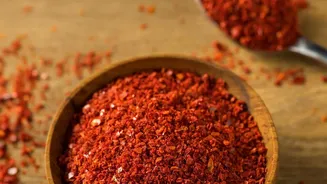
Sumac is a coarse, deep red powder made from the dried and ground berries of the Rhus coriaria shrub, which is native to the Mediterranean and Middle East. For centuries, long before lemons were widely available in the region, cooks relied on sumac to add
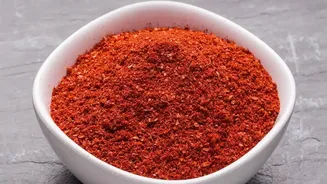
a sour tang to their dishes. The berries are harvested, dried, and ground, resulting in a spice with a beautiful colour and a surprisingly complex flavour. When buying it, look for a vibrant brick-red or burgundy powder, as a dull brown colour can indicate it's old and has lost its potency.
A Zesty, Lemony Flavour Profile
The taste of sumac is its main attraction: it's bright, tangy, and lemony, but with a unique twist. Unlike lemon juice, it provides acidity without adding any liquid, making it perfect for dry rubs or for seasoning crispy foods without making them soggy. Its flavour is often described as having a sour punch similar to citrus zest, but it is softer and also carries subtle fruity, earthy, and even slightly smoky notes. This complexity allows it to both cut through richness and brighten earthy flavours, making it exceptionally versatile.
Why It's Perfect for Vegetarian Dishes
Sumac is a game-changer for plant-based cooking. Its acidity excels at balancing the earthy notes of lentils, beans, and grains like quinoa. It can cut through the richness of fatty dishes like those with eggplant or dairy, providing a clean, refreshing contrast. For roasted vegetables, from cauliflower and carrots to potatoes and squash, a sprinkle of sumac before cooking adds a layer of flavour that caramelises beautifully in the oven. It has the power to make humble vegetables the star of the plate, providing a savoury depth that is satisfying and delicious.
Simple Ways to Start Using Sumac
Integrating sumac into your cooking doesn't require a special recipe. The easiest way to begin is by using it as a finishing spice. Sprinkle it over dips like hummus or labneh (strained yogurt) for an authentic touch and a pop of colour. It's also excellent on salads, especially those with cucumber and tomato, and is a key ingredient in the classic Middle Eastern salad, fattoush. Try a dash on avocado toast, roasted sweet potatoes, or even popcorn to add an unexpected, tangy kick.
Flavours that Pair Beautifully
Sumac is a friendly spice that gets along well with many other ingredients. It is a core component of the spice blend za'atar, often mixed with thyme, sesame seeds, and salt. It pairs wonderfully with fresh herbs like mint, parsley, and oregano. For produce, think of pairing it with onion, garlic, tomato, cucumber, and fennel. In terms of other spices, it complements cumin, coriander, and Aleppo pepper. It also provides a beautiful acidic contrast to creamy dairy products like feta and yogurt.