
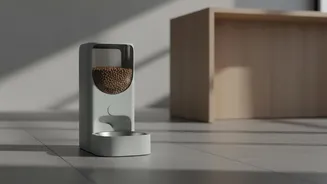
The Bowl: More Than Meets the Eye
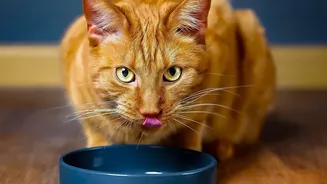
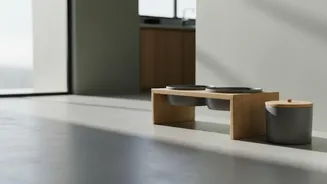
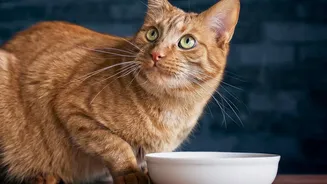
Your pet’s food and water bowls are among the germiest items in the home. That slimy layer you might feel inside a water bowl is a biofilm, a community of bacteria that can include harmful pathogens like Salmonella and E. coli. These can cause gastrointestinal
upset and other health issues in both pets and humans. Vets and food safety experts recommend washing food bowls after every single meal, especially if you serve wet food, which fosters rapid bacterial growth. Water bowls should be washed daily. The best method is to use hot, soapy water and a good scrub, just as you would your own dishes. If the bowl is dishwasher-safe, running it through a hot cycle provides excellent sanitization. When it comes to materials, stainless steel is often recommended as it is nonporous, durable, and easy to clean, whereas plastic bowls can develop tiny scratches that harbor bacteria.
The Mat: A Spill Catcher and Germ Trap
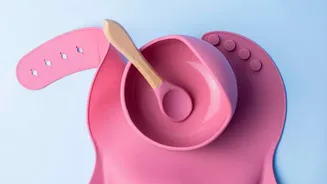
A feeding mat is great for catching spills and scattered kibble, but it can also become a prime breeding ground for mold and bacteria if neglected. Moisture from water splashes and crumbs from food create an ideal environment for germs to thrive. This not only creates unpleasant odors but can also re-contaminate a freshly cleaned bowl. For best hygiene, wipe the mat down daily with a pet-safe cleaner or a damp cloth to remove immediate spills. Once a week, give it a deep clean. The method depends on the material. Silicone and rubber mats can typically be washed in the sink with hot, soapy water. Many are also top-rack dishwasher safe, but always check the manufacturer’s instructions. A thorough weekly wash prevents the buildup that a simple wipe-down might miss, keeping the entire feeding zone sanitary.
The Scoop: The Forgotten Utensil
The food scoop is one of the most overlooked items in the feeding routine. Many pet owners leave it inside the food bag or storage bin, but this is a major source of contamination. Your hands can transfer bacteria to the scoop’s handle, which then gets introduced directly into your pet's entire food supply. Furthermore, if you use the food bowl itself to scoop kibble, you risk transferring bacteria from your pet's saliva back into the main food container. To maintain food safety, the scoop should be washed at least weekly with hot, soapy water and dried completely before its next use. Ideally, store the clean scoop outside the food bin in a designated clean spot. This simple habit prevents the spread of germs and protects the freshness and safety of your pet's food from one meal to the next.
The Floor: Your Last Line of Defence
The floor around the feeding station is the final frontier of your cleaning routine. Spilled kibble and water splashes are more than just an eyesore; they can damage flooring and, more importantly, attract unwanted pests. Ants, cockroaches, and even rodents are drawn to leftover food particles. A daily sweep or vacuum around the feeding area is essential to remove these temptations. Any water spills should be wiped up promptly to prevent moisture damage and inhibit mold growth. For a deeper clean, mop the area weekly with a pet-safe floor cleaner. Keeping the floor clean not only makes your home more hygienic but also acts as a crucial barrier against pests that could contaminate your pet's food and living space.