





The Unseen Germs in Your Tiffin
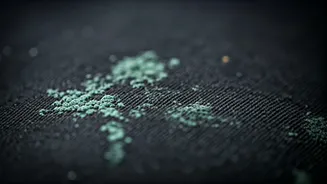
It might look clean after a quick rinse, but your lunch box can be a perfect breeding ground for bacteria and mould. [2] Studies have found that a significant percentage of fabric lunch boxes contain high levels of harmful germs. [1, 7, 11] Some of the
bacteria discovered, like Staphylococci and Enterococci, are commonly found on surfaces like toilets and can cause serious food poisoning. [1, 2, 7] These germs are often transferred from our own hands when we pack or eat our food. [1] Over time, leftover food particles and moisture create an ideal environment for mould to grow, which can trigger health issues ranging from allergies and migraines to more severe respiratory problems. [1, 7]
Why a Simple Wipe-Down Isn't Enough
Shaking out the crumbs or giving the inside a quick wipe with a used tea towel or a baby wipe is a common practice, but it's largely ineffective. [1, 7] These methods often just move bacteria around rather than eliminating them. [7] For a lunch box to be truly clean, it needs regular, thorough washing. Experts recommend cleaning your lunch box after every single use to prevent the build-up of food residue and stop germs from thriving. [3, 5, 7] If a daily deep clean isn't possible, a daily wipe-down with a disinfecting wipe is a good temporary measure, but a more thorough wash should be done at least once a week. [2]
The Proper Way to Deep Clean
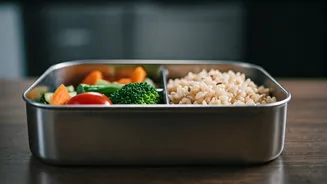
The right cleaning method depends on your lunch box's material. Always start by washing your hands. [1] For plastic or stainless steel containers, wash them with hot, soapy water and a clean cloth. [2, 3] For stubborn stains or odours, a paste of baking soda and water can be applied and left for a while before scrubbing. [1, 2] A solution of equal parts distilled white vinegar and water also serves as an excellent natural disinfectant. [1, 7] After washing, rinse thoroughly and, most importantly, allow the container to air dry completely before closing it to prevent moisture build-up and mould growth. [2, 5, 9] For soft, insulated bags, check the care label before machine washing; many should only be spot-cleaned with soapy water and then disinfected. [1, 6]
Choosing a More Hygienic Container
When it's time for a new lunch box, consider hygiene. Insulated lunch boxes are great for temperature control, but only if they are easy to clean. [3] Containers with cracks, splits, or hard-to-reach crevices can become hiding spots for germs and should be replaced. [3] Stainless steel and glass are generally considered easier to clean and less porous than some plastics. When choosing plastic containers, look for options that are free from chemicals like BPA. [16] Some lunch boxes are designed with removable seals to make cleaning easier, preventing the hidden mould growth that is common in leak-proof designs. [11]
Daily Habits for a Safer Lunch
Beyond cleaning, simple food safety practices are essential. Always wash your hands before preparing and packing your lunch. [3, 10, 12] Keep perishable foods like dairy, meats, and salads cold by using at least one or two ice packs. [10, 13, 18] Placing them above and below the food is most effective. [13] If you have access to a fridge at work, use it. [3] When packing hot foods like soup or stew, use a pre-heated insulated container to ensure it stays hot until lunchtime. [10, 18] Finally, discard all perishable leftovers and avoid reusing plastic bags or wrap, as they can contaminate other food. [12, 13]