



The Evolution of the Mudroom
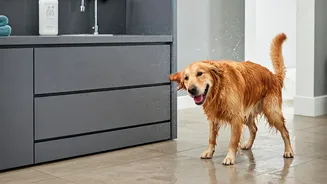
The traditional mudroom, long a staple in homes for containing outdoor messes, is getting a major upgrade. Enter the “wet-paw entryway,” a term for mudrooms or laundry areas thoughtfully designed to include a dedicated pet washing station. This isn't
just about placing a towel by the door; it's a built-in architectural feature designed to intercept dirt, mud, and whatever else the dog walks in with before it ever touches the main living areas. These spaces seamlessly blend function and style, proving that practical pet care doesn’t have to compromise on beautiful interiors. This evolution reflects a broader shift where homes are no longer just fitting pets in, but are being purposefully designed to accommodate every member of the family—including the furry ones.
Anatomy of a Pet Washing Station
So, what does a wet-paw entryway actually consist of? At its heart is a built-in wash basin or mini-shower. These can range from a simple, low-tiled basin with a handheld sprayer to more elaborate setups. Many are raised to waist height, saving owners from the back strain of bending over a traditional bathtub. Key features often include durable, easy-to-clean surfaces like tile or waterproof panels, non-slip flooring to keep pets safe, and a nearby drain to manage water and hair. Storage is also paramount, with integrated cabinets and hooks for leashes, towels, shampoos, and other pet essentials, keeping everything organized and within arm's reach.
Why the Trend is Taking Hold
The rise of the pet washing station is driven by several factors. First and foremost is hygiene and convenience. A designated cleaning spot contains the mess, protecting floors and furniture throughout the rest of the house. It encourages regular grooming, which is essential for a pet's health. Beyond practicality, these features are seen as a smart investment that can increase a home's appeal and resale value, especially as pet ownership continues to grow. Architects and designers report that clients are increasingly requesting these amenities, viewing them not as an over-the-top luxury, but as a practical solution that makes life significantly easier.
Beyond the Entryway: Other Pet-Centric Designs
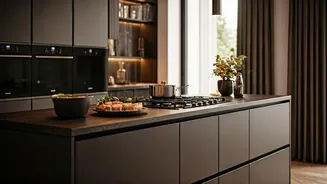
The wet-paw entryway is part of a larger movement towards pet-friendly architecture. Homeowners are now incorporating a variety of clever features to improve life for their animal companions. Pull-out feeding stations hidden in kitchen cabinetry keep bowls off the floor and out of sight. Built-in nooks under staircases or within custom joinery create cozy, den-like spaces for pets to sleep without cluttering a room with a bulky bed. For cat owners, integrated “skywalks” or wall-mounted shelves offer vertical climbing space that doubles as an architectural feature. These innovations highlight a growing desire to seamlessly blend a pet's needs with a home's overall design.
Is a Pet Washing Station Right for You?
Adding a dedicated pet wash station is a project that can be scaled to fit different budgets and spaces. For those undertaking a new build or major renovation, a custom-built station can be integrated directly into the mudroom or laundry room design. This offers the most seamless look and functionality. However, for a simpler approach, prefabricated stainless-steel grooming tubs, similar to those used by professional groomers, can be installed and connected to existing plumbing. There are also numerous DIY plans available for handy homeowners, ranging from simple outdoor rinse stations to more involved indoor builds. Costs can vary significantly, from a few hundred dollars for a basic DIY setup to several thousand for a professionally installed, custom-tiled shower.