






Finding the Perfect Trunk
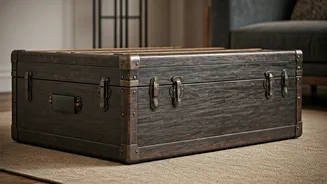
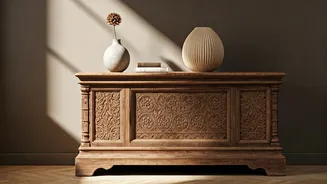
The foundation of this project is, of course, the trunk. The hunt is part of the fun. Scour local flea markets, antique shops, kabadiwalas with a keen eye, and online marketplaces. Look for a piece with 'good bones'—sturdy construction and intact hardware.
Minor rust, scuffs, and scratches add character, but avoid anything with severe water damage, mould, or a strong, persistent musty odour that cleaning can’t fix. Consider the size and scale of your living room. A large, domed-top trunk might overwhelm a small space, while a smaller, flat-topped one could get lost in a large one. Measure your existing coffee table for a good height and size reference.
The All-Important Cleaning Phase
Before you do anything else, a thorough cleaning is non-negotiable. This step revitalises the trunk and prepares it for its new life. Start by vacuuming the inside and outside, using a brush attachment to get into crevices. For the exterior, use a gentle cleaner. A simple solution of mild soap and warm water works well for most wood and metal surfaces. Use a soft cloth, wring it out well, and wipe down the entire piece. For stubborn rust on metal hardware, a paste of baking soda and water or a gentle scrubbing with fine-steel wool can work wonders. To tackle that classic old-trunk smell, air it out in a dry, sunny spot for a day. You can also place an open box of baking soda, a bowl of coffee grounds, or charcoal briquettes inside for a few days to absorb lingering odours.
To Add Legs, or Not to Add Legs?
This decision dramatically impacts the final look. Leaving the trunk on the floor creates a grounded, substantial presence. However, most trunks sit lower than a standard coffee table. Adding legs raises it to a more comfortable height (around 16-18 inches) and can introduce a contrasting style element. For a modern industrial look, consider sleek metal hairpin legs. For a rustic feel, chunky wooden bun feet are a great choice. Swivelling caster wheels offer a practical, industrial vibe and make the heavy trunk easy to move. When attaching legs, ensure you’re drilling into a solid part of the trunk’s base. Use sturdy screws and reinforcing plates if the base wood seems thin to ensure it can handle the weight and daily use.
Creating a Flat, Functional Surface
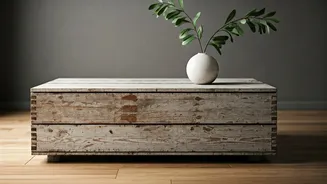
Many vintage trunks have uneven or rounded tops, which aren't ideal for resting a cup of chai. You have a few options. If the top is already flat but worn, you can preserve its character by sealing it. A few coats of a clear matte or satin polyurethane will protect the surface from spills and wear without adding too much shine. For domed or very uneven tops, the best solution is to add a new surface. Have a piece of clear glass or acrylic cut to size to lay over the top. This provides a perfectly flat, wipeable surface while allowing the trunk's original texture and details to show through. Small, clear rubber bumpers placed at the corners will keep the glass from sliding.
Styling Your New Centrepiece
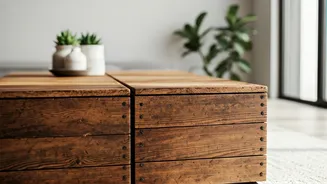
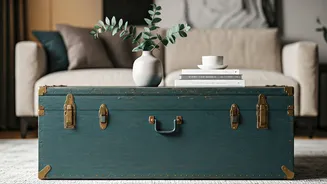
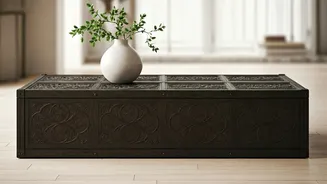
With the hard work done, it's time to integrate your creation into your home. The beauty of a trunk coffee table is that it’s both a functional surface and a piece of history. Don't overcrowd the top; a simple tray to corral remotes, a stack of beautiful books, and a small plant or vase of flowers are all you need. The trunk’s best feature is its built-in storage. Use the spacious interior to hide away extra blankets, board games, magazines, or kids' toys, keeping your living room clutter-free. Your new table is more than just furniture; it's a conversation starter that reflects your personal style and creativity.