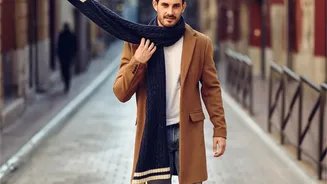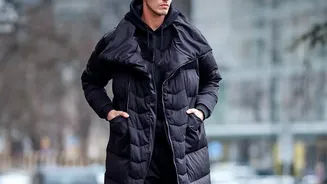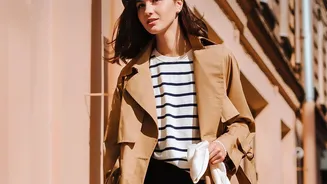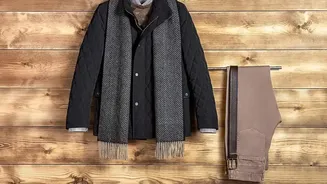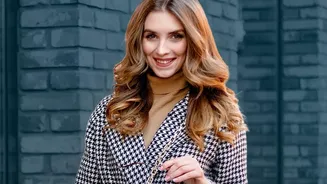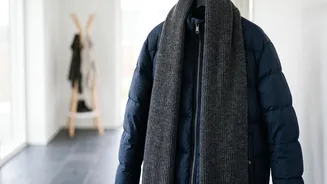

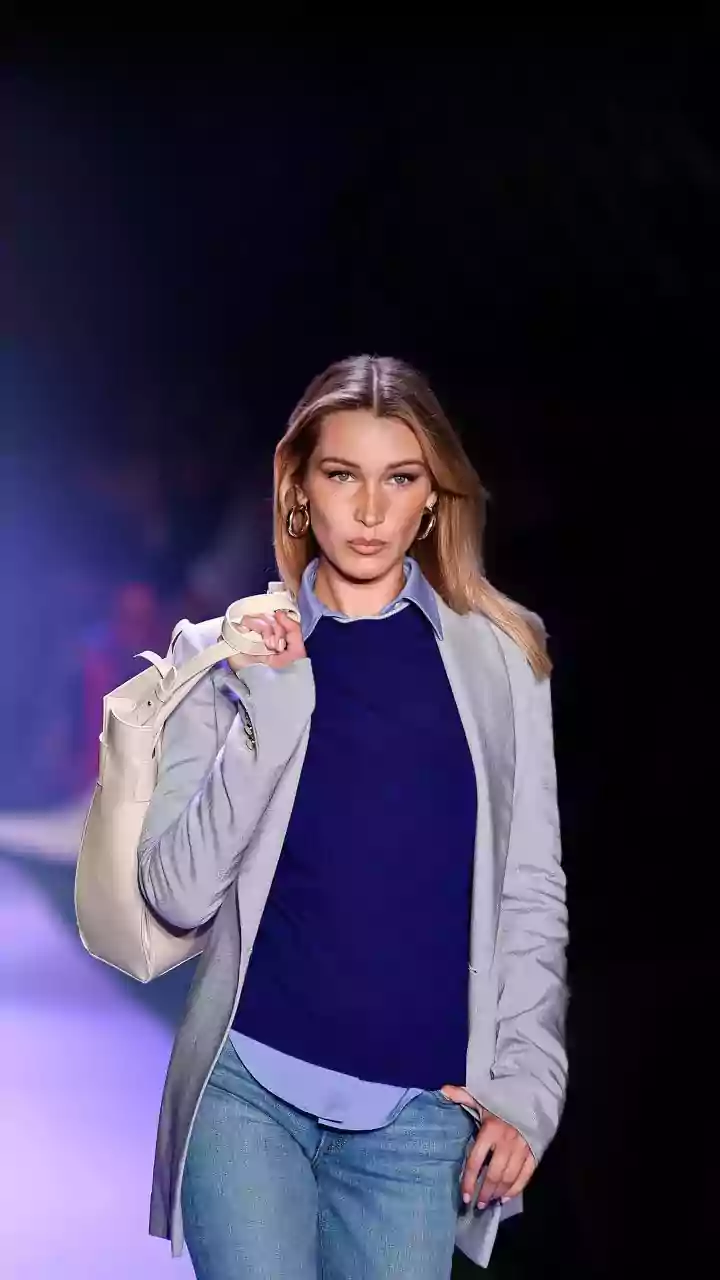
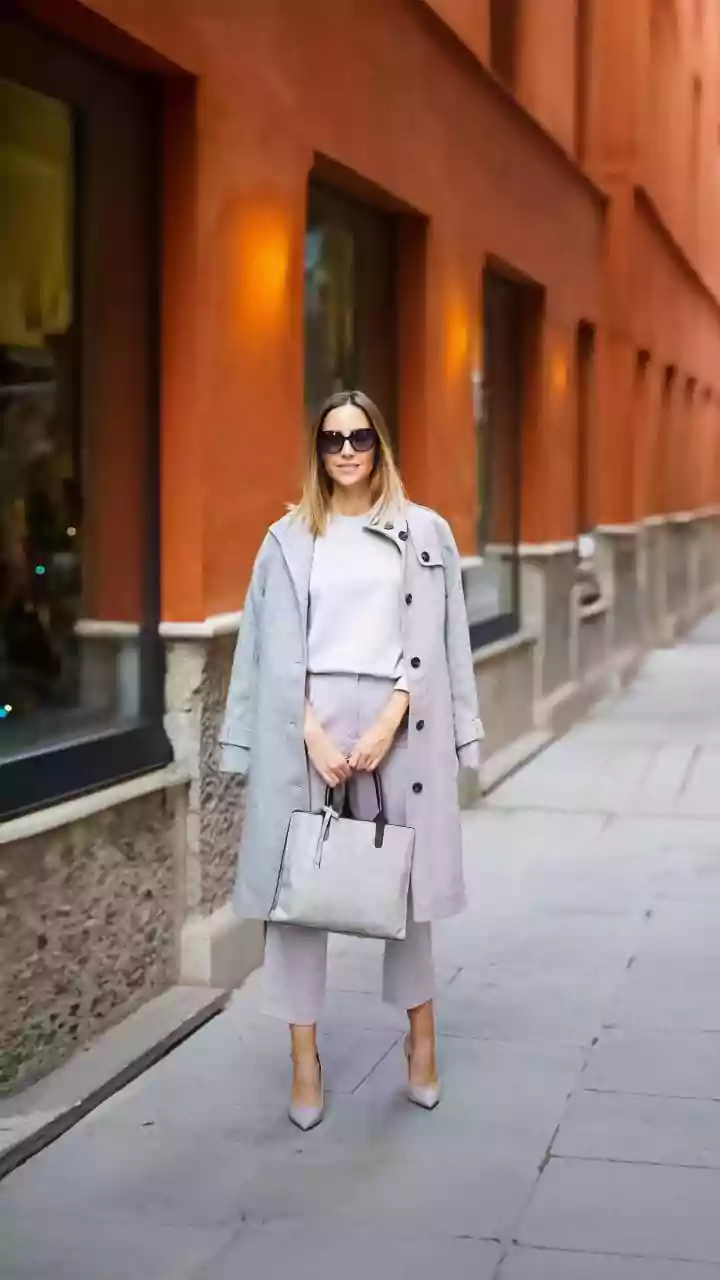

Winter calls for warmth, but heavy jackets can often leave you feeling bulky. The secret to staying cosy while maintaining a sleek silhouette lies in one simple accessory: the long scarf. It is the key to creating a flattering vertical line.
The Power of a Vertical Line
In fashion,
creating a 'vertical line' is a classic technique used to make you appear taller and leaner. An unbroken line running from top to bottom draws the eye downward, creating an illusion of length. Heavy winter coats, especially puffer jackets and thick parkas, tend to add horizontal bulk. A long scarf, when draped correctly, counteracts this by introducing a strong vertical element that visually streamlines your entire look. It breaks up the width of the coat and adds a touch of effortless elegance.
Choosing the Right Scarf
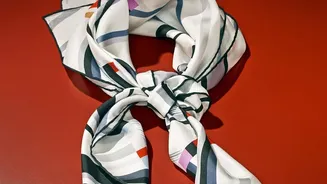
Not all scarves are created equal for this task. The ideal scarf should be long and relatively narrow. While oversized blanket scarves are cosy, they can sometimes add too much volume. Instead, opt for materials like cashmere, merino wool, or soft knits that offer warmth without excessive bulk. A fluid fabric like silk or a blend can also drape beautifully, creating a soft yet defined line. For length, look for a scarf that, when draped, hangs down to at least your mid-thigh. This provides enough length to establish a clear vertical path for the eye to follow.
Technique 1: The Simple Drape
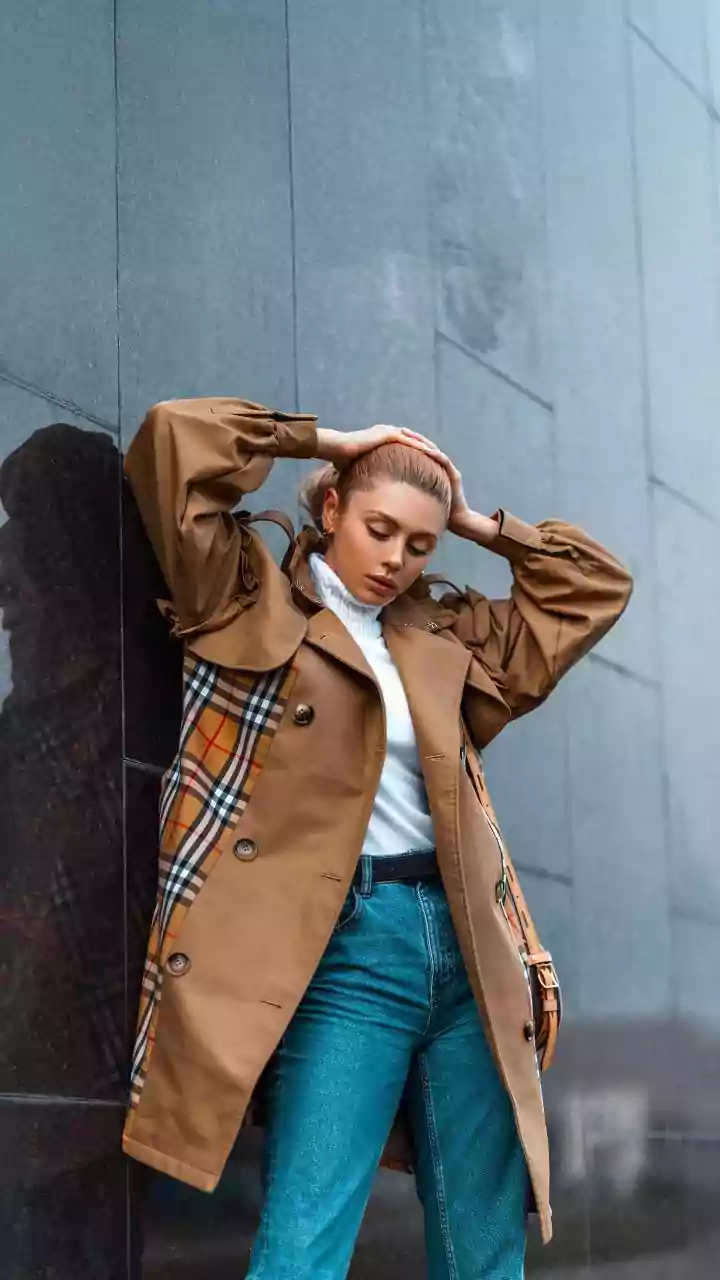
This is the easiest and most effective way to create a clean vertical line. Simply drape the scarf around the back of your neck, allowing both ends to hang down evenly in the front. Don't loop or tie it. The two parallel lines of the scarf falling straight down your torso instantly slice through the bulk of your jacket. This works particularly well with open coats, like a long wool overcoat or trench, as it enhances the vertical columns created by the coat's lapels. For a more modern look, you can try an asymmetrical drape, with one end hanging slightly longer than the other.
Technique 2: The Single Loose Loop
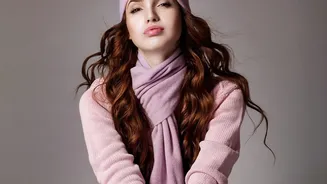
If you need a bit more security and warmth around the neck, the single loose loop is a great option that still preserves the lengthening effect. Drape the scarf around your neck with one side significantly longer than the other. Wrap the long end once, loosely, around your neck and let it hang down in the front alongside the shorter end. The key is to keep the loop relaxed, not tight against your neck. This creates a focal point higher up but still allows the long ends of the scarf to hang down, continuing the vertical illusion.
Technique 3 : The Belted Scarf
For a fashion forward approach that defines your waist, try belting your scarf. Drape the scarf around your neck so the ends hang evenly in front. Then, fasten a belt over your coat and the scarf at your natural waist. This technique is brilliant for oversized or boxy coats as it cinches in the waist, creating an hourglass shape while the ends of the scarf continue to provide that desired vertical line below the belt. It transforms your scarf from a simple accessory into a structural part of your outfit.
Pairing with Different Jackets
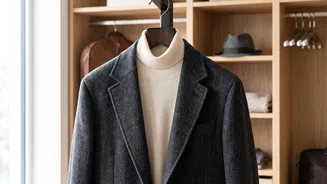
The type of jacket you wear can influence your scarf choice. With a bulky puffer coat, a less voluminous scarf in a fine knit or wool will prevent you from looking overwhelmed. The simple drape works best here. For tailored wool coats and peacoats, you have more flexibility. A slightly thicker scarf or a more complex knot like a loose 'French Knot' can work well, as the structured silhouette of the coat can handle a bit more texture. The goal is always balance; let the scarf complement the coat, not compete with it.