







Tulsi: The Queen of Herbs
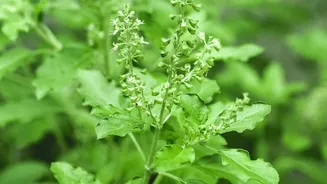
In Ayurveda, Tulsi (Holy Basil) is revered as the 'Queen of Herbs' for its wide-ranging medicinal properties. It is particularly effective for respiratory ailments, making it a staple in Indian households during cold and flu season. The leaves contain
compounds that act as an expectorant, helping to loosen and expel phlegm from the chest. Its antimicrobial, anti-inflammatory, and anti-allergic properties help boost the body's immune response and soothe irritation in the throat and nasal passages. A simple Tulsi tea or 'kadha' can provide significant comfort. To prepare, boil a handful of fresh Tulsi leaves in water for about 10 minutes. For added benefits, you can add crushed ginger, a few black peppercorns, and a spoonful of honey. Sipping this warm concoction can help clear congestion and calm a hacking cough.
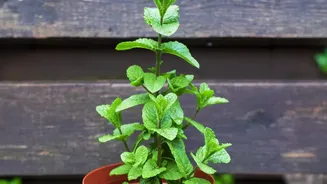
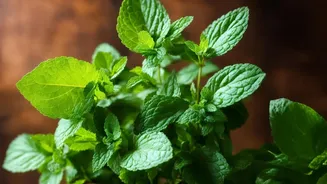
Mint: The Natural Decongestant
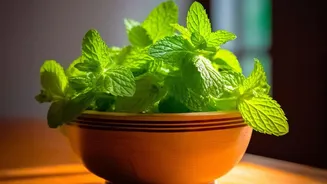
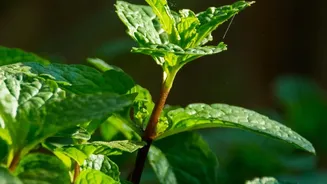
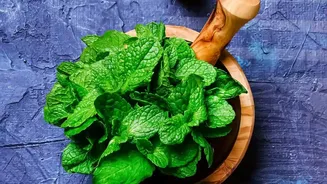
The refreshing aroma of mint (Pudina) is more than just a pleasant scent; it’s a sign of its healing power. The primary active compound in mint is menthol, which is a well-known natural decongestant. Inhaling its vapour helps open up nasal passages, thin mucus, and provide a cooling sensation that soothes an irritated throat. One of the most effective ways to use mint for a cold is through steam inhalation. Simply add a generous handful of fresh mint sprigs to a pot of boiling water. Drape a towel over your head, lean over the pot, and inhale the steam deeply for 5-10 minutes. This can provide immediate relief from sinus pressure and a stuffy nose. Additionally, a warm cup of mint tea is both comforting and beneficial. It helps to relax the body and its anti-inflammatory properties can ease the discomfort associated with colds.
Coriander: The Immunity Booster
Coriander (Dhania), both its leaves and seeds, is a powerhouse of nutrients that can help your body fight off infections. The seeds are rich in antioxidants and vitamin C, which are known to strengthen the immune system. Coriander also possesses antibacterial and anti-inflammatory qualities that can help reduce throat irritation and ease coughing. A traditional remedy involves making a warm drink from coriander seeds. To prepare it, coarsely grind a tablespoon of coriander seeds and boil them in two cups of water with a piece of crushed ginger until the liquid reduces by half. Strain the tea and add honey and a bit of lemon juice. This warm, aromatic drink not only helps soothe a sore throat but also aids in flushing toxins from the body. Gargling with water in which coriander seeds have been soaked overnight can also help alleviate throat pain.
Your Windowsill Apothecary
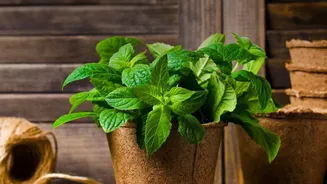
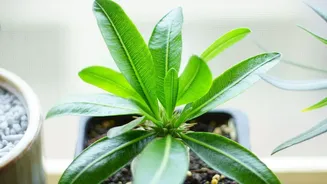
The beauty of these remedies lies in their accessibility. Tulsi, mint, and coriander are incredibly easy to grow at home, even with limited space. All you need are a few pots, good quality soil, and a spot that receives a few hours of sunlight daily, like a windowsill or balcony. Tulsi thrives in sunlight, needing at least 4-6 hours a day. You can grow it from seeds or a cutting. Mint is a vigorous plant that grows well in pots; in fact, container growing helps control its rapid spread. It prefers moist soil and can tolerate partial shade. Coriander can be grown from seeds sown directly into a pot. It enjoys cooler weather and at least 4-6 hours of sun. By having these fresh herbs on hand, you ensure a ready supply of natural, first-line defence against the discomfort of winter colds, straight from your own home.