








For many of us, long hours at a desk are a daily reality. But this sedentary lifestyle has a hidden cost: our joint health. That stiffness you feel after hours of sitting isn't just in your head; it's a sign that your joints are crying out for motion.
The Science of Sitting Still
Your joints are designed for movement. They are lubricated by a substance called synovial fluid, which acts like engine oil, allowing bones to glide smoothly past each other. When you move, this fluid circulates effectively, keeping everything running well. However, when you sit for extended periods, this process slows down. The fluid can thicken, and circulation is reduced, leading to that familiar feeling of stiffness and discomfort when you finally stand up. This lack of movement means cartilage, which has no direct blood supply, doesn't get the nutrients it needs to stay healthy. Over time, this can contribute to weakened muscles, poor posture, and increased stress on weight-bearing joints like your hips and knees.
Movement as Medicine
The solution is surprisingly simple: regular movement. You don't need an intense workout to counteract the effects of sitting. Short, frequent breaks to stand, stretch, or walk around are incredibly effective. These 'exercise snacks' get the synovial fluid flowing again, nourishing the cartilage and reducing friction within the joints. Consistent movement helps activate muscles that support your joints, preventing the imbalances that can lead to pain in the neck, shoulders, and lower back. Studies show that breaking up long periods of sitting can significantly lower discomfort and reduce fatigue. Think of it as a reset button for your body, interrupting the static posture before stiffness sets in.
Simple Desk-Friendly Movements
Integrating movement doesn't have to disrupt your workflow. The key is to find simple exercises you can do right at your workspace. Try these throughout your day:
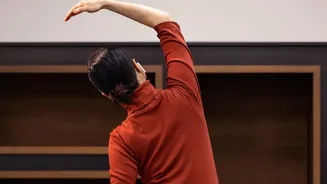
Seated Spinal Twists: Sit tall and gently rotate your torso from side to side, using your chair's armrest for a light stretch. This helps mobilize your upper back.
Shoulder Blade Squeezes: Pull your shoulder blades together and hold for a few seconds to counteract a slumped posture and activate upper back muscles.
Neck Rolls and Chin Tucks: Gently roll your head from side to side to release neck tension. Periodically perform chin tucks—pulling your chin straight back as if making a double chin—to combat forward head posture.
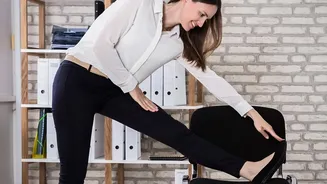
Leg Extensions: While seated, extend one leg straight out in front of you and hold for a few seconds before lowering it. Alternate legs to improve circulation.
* Standing Hip Flexor Stretch: When you take a break to stand, step one foot back into a small lunge, keeping your torso upright to feel a stretch in the front of your hip.
Building a Lasting Habit
The most effective strategy is consistency. Research suggests moving for a few minutes every 30 to 60 minutes is ideal. Set a timer on your phone or computer as a reminder to stand up, walk to get a glass of water, or do a few quick stretches. Another great technique is 'habit stacking'—linking a new habit to an existing one. For instance, decide to stretch for one minute after every email you send or take a short walk after every meeting. Even these small, consistent efforts can make a massive difference in how your joints feel day-to-day. The goal isn't to add another major task to your day but to weave small moments of activity into the routine you already have.