



Oman's Welcoming Stance on Wild Camping
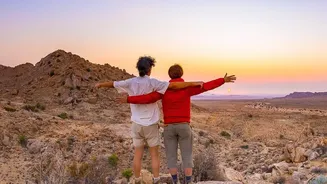
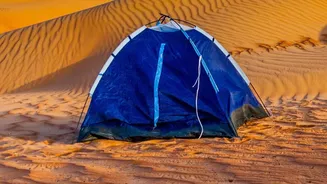
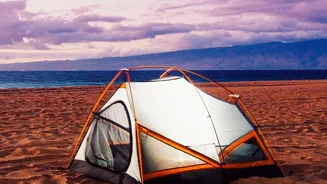
Oman is a paradise for budget backpackers, largely because wild camping is not only legal but a cherished part of the local culture. Unlike many destinations, you can pitch your tent on most public lands—be it a secluded beach, a mountain plateau, or a desert
expanse—without needing a permit. This open-door policy stems from a deep-rooted love for the outdoors, with many Omani families enjoying weekend camping trips. For Indian travellers accustomed to paying for accommodation, this presents a massive opportunity to slash travel costs significantly. Hostels and budget hotels in cities like Muscat can start from ₹1,500-₹2,500 per night, a cost that vanishes when you embrace the freedom of camping.
Is It Legal and Safe?
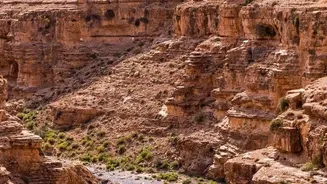
Yes, wild camping is widely tolerated and legal on public land across Oman. However, there are common-sense exceptions. You cannot camp on private property, within designated nature reserves like the Ras al Jinz turtle sanctuary, or on military land. When near villages, it's always courteous to ask for permission. Safety is a paramount concern, but crime is very low in Oman. The primary risks are environmental. The biggest danger when camping in wadis (dry riverbeds) is flash floods, which can occur suddenly even if it isn't raining in your immediate location. Always check the weather forecast and never, ever camp in a wadi bed if there is any chance of rain. Other minor hazards include scorpions or snakes, so it's wise to shake out your boots and clothes before wearing them.
Top Wadis and Landscapes for Your Tent
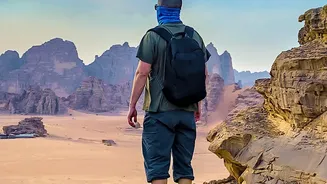
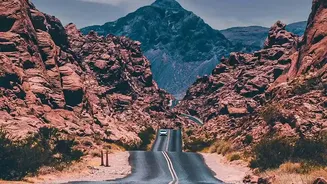
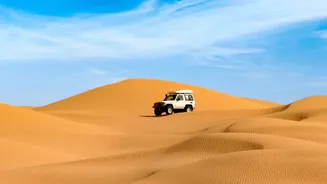
Oman’s diverse geography offers a variety of spectacular camping spots. For first-timers, some wadis are more accessible and popular. Wadi Shab, famous for its turquoise pools and a hidden waterfall, has nearby camping spots like Pebble Beach, allowing you to get an early start before the crowds arrive. Wadi Bani Khalid is another excellent choice, known for its large, swimmable pools and family-friendly atmosphere. For those seeking mountain vistas, Jebel Shams, Oman's highest peak, offers breathtaking views of the 'Grand Canyon of Arabia'. Camping on the plateau allows you to witness a spectacular sunrise over the canyon. If a desert experience is what you crave, the Sharqiya Sands (formerly Wahiba Sands) offers endless dunes for an unforgettable night under the stars.
Essential Gear for the Omani Outdoors
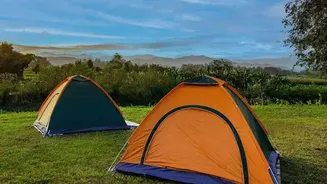
Packing correctly is key to a successful camping trip. A sturdy, lightweight tent is your most important piece of gear. While days are hot, desert and mountain nights can get surprisingly cold, especially between November and March, so a good sleeping bag is essential. Other must-haves include a headlamp, a portable stove for cooking, and a reliable power bank. Given the remote nature of many spots, you cannot rely on finding potable water, so carry plenty—at least 4-5 litres per person per day—and consider a water filter or purification tablets. While you can buy some gear in Muscat at hypermarkets like Lulu, it’s often better to bring your trusted equipment from home. And don't forget a basic first-aid kit.
The Unwritten Rules: Respect and Responsibility
Camping freely comes with the responsibility to protect the environment. The golden rule is to follow 'Leave No Trace' principles. This means packing out everything you pack in, including all your rubbish and food scraps. Campfires are generally permitted, but you should bring your own firewood and ensure the fire is completely extinguished before you leave. Culturally, it's important to be respectful. Dress modestly when you are near towns and villages. Avoid setting up camp too close to local homes. Remember that many wadis are sources of water for local communities via ancient 'aflaj' irrigation systems, so never use soap or shampoo in the pools.