





The Rise of the Mountain Office
The post-pandemic world has fundamentally changed how we think about the office. For a growing number of Indian tech professionals, the five-day commute and cubicle life has been replaced by the freedom to work from anywhere. This has spurred a migration
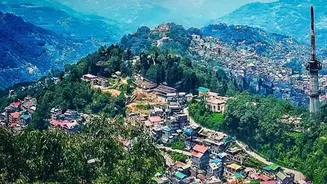
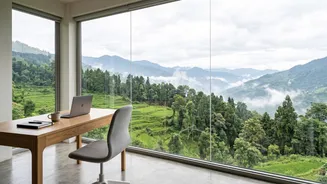
away from bustling metro cities towards quieter, more scenic locales. Hill stations across the country have become popular choices, but Sikkim, and its capital Gangtok, is carving out a unique niche. The city offers a compelling blend of modern amenities and serene Himalayan beauty, creating an environment that promises both productivity and peace. This new generation of 'digital nomads' isn't just on vacation; they are settling in for weeks or months, integrating their work life with the calm rhythm of the mountains.
Why Gangtok is a Digital Nomad’s Paradise
So, what makes Gangtok so appealing? The primary requirement for any remote worker is reliable connectivity, and Gangtok delivers. The city boasts strong 4G coverage from major providers and a growing number of cafes and co-living spaces offer high-speed Wi-Fi with power backups, a crucial feature for uninterrupted work. Beyond the infrastructure, Gangtok’s appeal lies in its unique atmosphere. It is known for its cleanliness, safety, and friendly locals. The pedestrian-only MG Marg serves as the city's social heart, lined with shops and eateries perfect for unwinding after a day of work. For those seeking inspiration, the breathtaking views of the Kanchenjunga range and the serene atmosphere of nearby monasteries provide a perfect backdrop for creativity and focus.
The Allure of the Monsoon
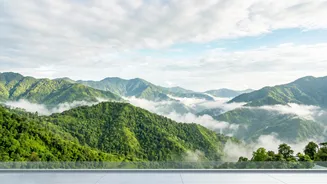
While most tourists visit during peak seasons, remote workers are discovering the unique charm of Gangtok in the monsoon. Typically considered the 'off-season', the months from June to September offer a different kind of magic. The landscape transforms into a lush, emerald paradise with waterfalls in full flow and mist-shrouded hills creating a tranquil, almost mystical environment. For a remote worker, this period has practical advantages. With fewer tourists, there is less strain on local infrastructure, meaning more reliable bandwidth for work. Accommodation is often more affordable, and the quieter atmosphere is ideal for deep focus and concentration. The cooler temperatures and the soothing sound of rain provide a cozy and productive setting, a welcome escape from the heat and humidity of the plains.
Inside the Co-Living and Workation Hubs
Catering to this new demand, a vibrant ecosystem of co-living spaces, work-friendly hostels, and homestays has emerged in and around Gangtok. These hubs are more than just a place to stay; they are designed as community-centric spaces for like-minded professionals. They offer a package deal: a private room or dorm, reliable high-speed internet, dedicated co-working areas, and often, home-cooked meals. Establishments like Tagalong and Zostel, along with numerous local homestays, curate an experience that blends work and leisure. They organize community events, weekend treks, and cultural activities, helping remote workers connect with each other and immerse themselves in the local culture. This model removes the logistical hassles of long-term stays, allowing professionals to plug in and be productive from day one.
A Sustainable Model for Local Growth
This trend is about more than just a change of scenery for tech workers; it represents a significant economic opportunity for Sikkim. The influx of long-stay professionals provides a steady, year-round revenue stream, helping to mitigate the seasonal slumps common in tourism-dependent economies. This benefits everyone from homestay owners and cafe proprietors to local taxi drivers and shopkeepers. Recognizing this potential, the government and local bodies have been supportive, with initiatives like the 'Nomad Sikkim' project aiming to develop villages like Yakten near Gangtok into official digital nomad hubs. This approach focuses on sustainable, community-driven tourism that preserves the local culture and environment while creating new livelihood opportunities, positioning Sikkim as a forward-thinking leader in India's remote work revolution.