





Why Formality Prevents Future Fights
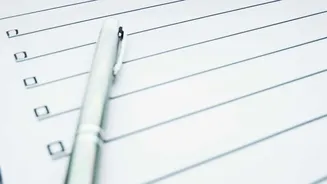
It might feel overly formal to create a checklist when borrowing from someone you know, but a little structure upfront can prevent major headaches later. Taking a moment to agree on the terms of the loan isn't about mistrust; it's about clarity. It ensures
both the owner and the borrower are on the same page, protecting not only the item but, more importantly, the friendship or neighbourly relationship. This is especially true for items of significant value, whether sentimental or financial. A quick, clear agreement is a sign of respect for the other person's property and generosity.
Before the Item Leaves: The Pre-Loan Checklist
The most crucial steps happen before the item changes hands. This is where you set expectations and document the item's state. Rushing this part can lead to disputes about pre-existing damage. First, document the item's current condition. Take clear photos or a short video from multiple angles, paying close attention to any existing scratches, dents, or operational quirks. Share these with the owner and get their confirmation. Next, agree on the duration of the loan. Be specific. Instead of saying "I'll return it next week," say, "I will return it by 5 p.m. on Sunday." Punctuality is key to being a good borrower. Finally, clarify the rules of use. Is it okay to use the pressure washer on a painted deck? Can the food processor blades go in the dishwasher? Asking these questions shows you care about returning the item in the same condition you received it.
While You Have It: Guidelines for Responsible Use
Once the item is in your possession, your responsibility is to treat it with care. Use the item only for its intended and agreed-upon purpose. Don't use a borrowed kitchen mixer to stir paint. If you notice a problem or cause accidental damage, report it to the owner immediately. Hiding an issue will only make the situation worse. Honesty allows the owner to decide on the best course of action and prevents them from discovering the damage on their own, which can feel like a betrayal of trust. For items with consumable parts, like a printer with ink or a lawnmower with fuel, the rule is to replace what you use. A good practice is to return it with more than it had when you borrowed it, like returning a refilled gas can or a new set of saw blades.
The Return: How to Hand It Back Properly
Returning an item properly is just as important as borrowing it correctly. The golden rule is to return it in the same or better condition than when you received it. This means cleaning it thoroughly. If you borrowed dinner plates, wash and dry them. If you borrowed a power tool, wipe it down to remove dust and debris. Once it's clean, arrange a time to return it and perform a final inspection with the owner present. This gives both of you a chance to confirm that the item is in good shape. If any damage occurred during your use, be prepared to offer a solution. This could mean paying for repairs, finding a suitable replacement, or compensating the owner for the item's value. Taking responsibility is the cornerstone of a successful borrowing relationship.
What About Peer-to-Peer Rental Apps?
The rise of the sharing economy has led to peer-to-peer (P2P) rental apps for everything from cars to cameras and tools. These platforms often have built-in features that handle many of the steps on this checklist. They typically include user verification, secure payment processing, and a review system to build trust. Many also offer insurance options and have a formal process for dispute resolution, which can be helpful for high-value items. When using a P2P app, always read the host's rules, check their ratings, and communicate through the platform's messaging system to ensure there's a record of your agreements. Even with these systems in place, documenting the item's condition with your own photos upon receiving it is still a wise precaution.