







A Policy Shift Opens the Door
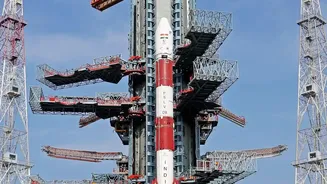
For decades, the Indian Space Research Organisation (ISRO) was the sole architect of India's space ambitions. But a landmark policy shift in June 2020 opened the sector to private enterprise. The government established the Indian National Space Promotion
and Authorisation Centre (IN-SPACe) to act as a single-window agency for private space ventures. Its mission is to promote, authorise, and supervise the activities of non-governmental entities, from building launch vehicles and satellites to providing space-based services. This move was designed to unlock the nation's untapped potential and position India as a major player in the rapidly growing global space economy. The goal is to move beyond a government-led model to a collaborative ecosystem where ISRO's deep experience empowers a new generation of entrepreneurs.
The New Trailblazers
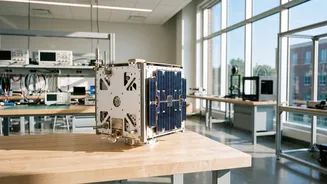
A vibrant startup scene has emerged in the wake of these reforms, with over 400 space startups now active in India. Leading the charge in the launch sector are companies like Skyroot Aerospace and AgniKul Cosmos. Skyroot became the first Indian private company to successfully launch a rocket into space with its Vikram-1 mission. AgniKul has also made significant strides, developing the world's first single-piece 3D-printed rocket engine and establishing its own private launchpad. These companies aren't just building rockets; they're creating an entire ecosystem. Beyond launchers, startups like Pixxel are developing constellations of hyperspectral imaging satellites, while Dhruva Space offers comprehensive solutions from satellite manufacturing to ground station services.
The Economic Lift-Off
The primary driver for this commercial push is the booming global market for small satellite launches. Private Indian firms, with their potential for cost-effective engineering, are well-positioned to compete for a significant share of this market. A robust private launch industry means more frequent and affordable access to space for a variety of customers, including universities, research institutions, and commercial clients deploying satellite constellations for communications and Earth observation. The government projects India's space economy could grow from around $9 billion in 2023 to over $40 billion by the next decade, aiming to capture 8% of the global market. This growth translates into significant economic contributions, with studies showing the sector already adds billions to the GDP and creates tens of thousands of direct jobs.
More Than Just Rockets
The impact of a commercial space industry extends far beyond launchpads and balance sheets. The development of this sector fuels a wave of high-skilled job creation in fields like aerospace engineering, materials science, data analytics, and robotics. It also has a multiplier effect on the broader economy. The data and services provided by commercial satellites can revolutionize industries on the ground, including agriculture (through crop monitoring), disaster management (with improved forecasting), and telecommunications (by expanding digital inclusion in remote areas). This creates a virtuous cycle of innovation, where space technology provides solutions to earthly problems, driving further demand and investment.
Challenges on the Horizon
The path to a thriving commercial space sector is not without obstacles. The industry is capital-intensive and inherently high-risk, which can make investors cautious. Startups face long development cycles before they can generate significant revenue. Furthermore, there are critical technology and infrastructure gaps, including a reliance on imports for certain advanced components and a need for more accessible testing facilities. Clear and efficient regulation is crucial to foster growth without stifling innovation, and companies will face stiff competition in the cutthroat global launch market. Aligning policy, funding, and the development of a specialised talent pool will be the key challenge in scaling the industry sustainably.