


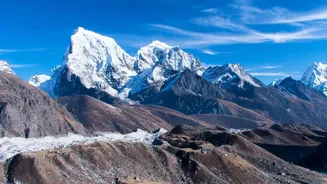
Beyond the Beaten Path
For years, destinations like Shimla and Manali have been the go-to for a mountain getaway. But with popularity comes saturation—overcrowded streets, commercialisation, and the erosion of the very peace travellers seek. The alternative? A journey to regions
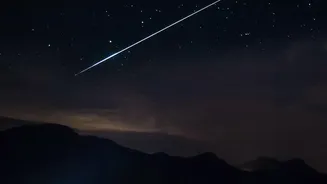
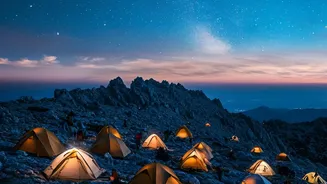
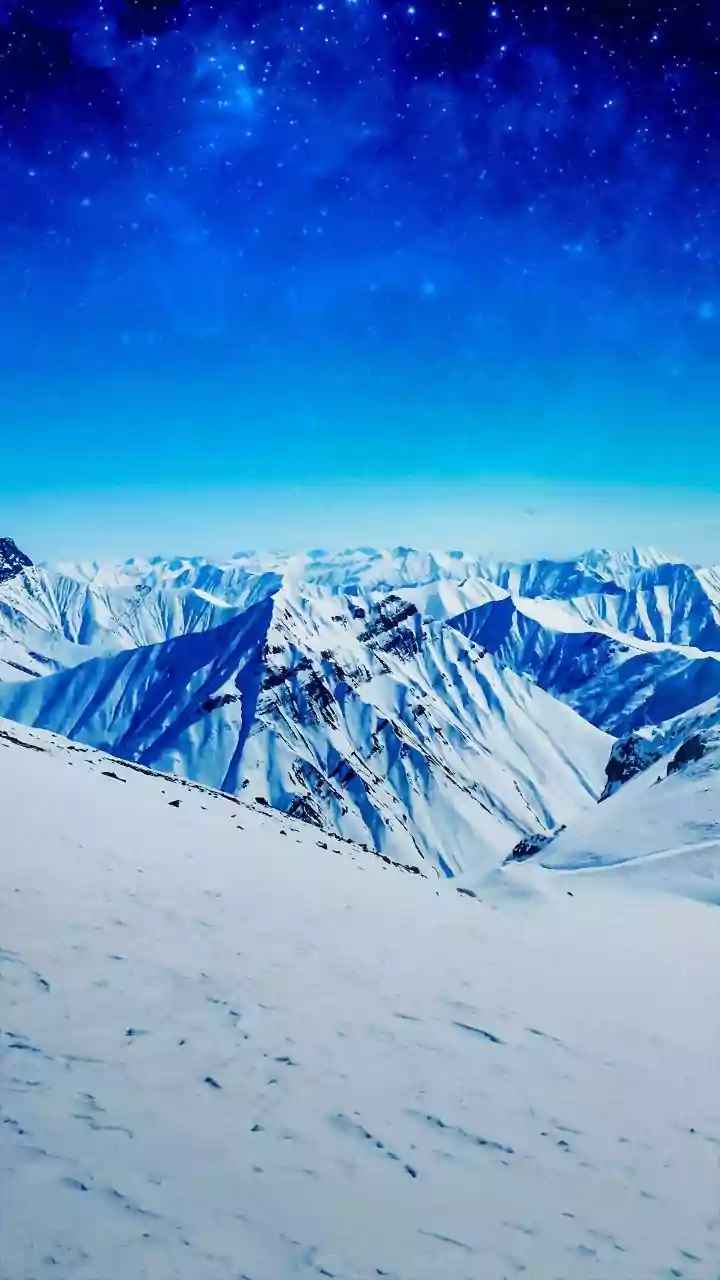
where serenity reigns, both day and night. Astro-tourism is emerging as a profound way to experience the Himalayas, swapping crowded town squares for the quiet, humbling expanse of a star-filled sky. This is travel that connects you not just with nature, but with the universe.
Why Himachal's High Altitudes?
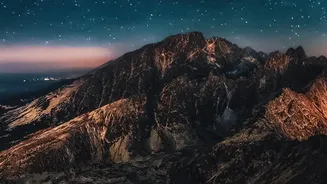
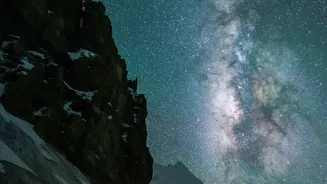
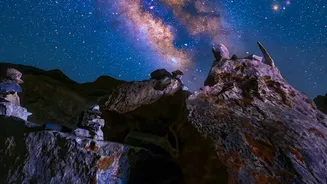
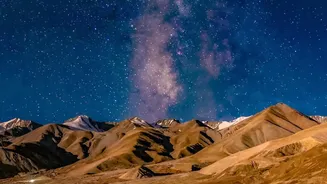
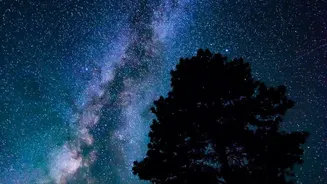
Himachal Pradesh is uniquely suited for a celestial spectacle. The key lies in a combination of factors that create near-perfect conditions for stargazing. High altitudes, especially in regions like Spiti Valley, mean a thinner atmosphere, resulting in less distortion and a sharper, brighter view of the stars. These remote areas suffer from minimal light pollution, a crucial element for dark skies that allows the faint, beautiful arm of the Milky Way to become visible to the naked eye. The cold, dry air, particularly from late autumn to early spring, ensures exceptional clarity, making the skies transparent for an unforgettable cosmic display.
Celestial Sanctuaries: Where to Go
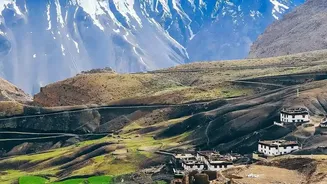
Spiti Valley is widely regarded as the stargazing capital of Himachal. Villages like Kaza, Langza, Kibber, and Tabo are situated at high elevations with almost zero light pollution, offering some of the darkest skies in India. The famous Chandratal Lake, or 'Moon Lake', provides a surreal experience as the stars reflect on its still waters. For those seeking more accessible options, Jibhi and Tirthan Valley offer a fantastic balance of dark skies and comfortable amenities, perfect for beginners. Even areas near Manali, like Hamta, or less-travelled spots like Jispa and Kalpa, provide incredible opportunities to witness the cosmos away from city lights.
The Rise of Astro-Tourism Infrastructure
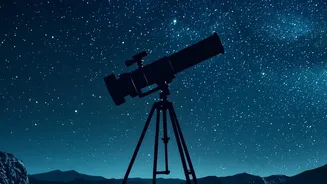
The growing interest in stargazing has led to the development of dedicated facilities. Spiti Valley now hosts public observatories, a significant step in making professional-grade astronomy accessible to tourists. The Pie Matrix Dome Observatory in Kaza, for instance, is a high-altitude, rotating dome that offers guided sessions for travellers. Furthermore, local, community-led initiatives are training youth to become astro-guides, turning their natural dark-sky heritage into a sustainable livelihood and offering visitors a more immersive, educational experience.
Planning Your Cosmic Journey
Timing is everything. The best months for stargazing in most high-altitude areas are from May to October, when the weather is clearer and the Milky Way is prominent. For the absolute clearest, crispest skies, the post-monsoon months of September and October are ideal. Always try to plan your trip around a new moon, as the moon's brightness can wash out the stars. Pack layers of warm clothing, as temperatures drop significantly at night, even in summer. Binoculars are a great tool for beginners, and a simple tripod can help you take stunning photos of the night sky with just a smartphone. Most importantly, allow yourself to acclimatise to the high altitude to enjoy the experience fully and safely.