



Beyond the Bucket List
For years, the goal of a great trip was to collect moments at famous landmarks — a selfie at the Eiffel Tower, a pose by the Colosseum. But a significant shift is underway. Travellers are increasingly bypassing the long queues and crowded squares in favour
of experiences that feel more personal and profound. This evolution, often called experiential or slow travel, prioritizes depth over distance and connection over collection. Instead of asking, "What did you see?", the new question is, "What did you experience?" This change reflects a growing desire for travel to be more meaningful and transformative.
The Search for Authenticity
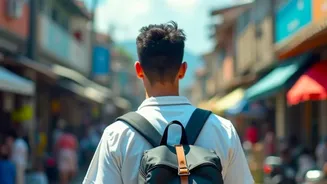
So, what’s driving this change? A major factor is a quest for authenticity in an often-homogenized world. Many travellers, especially Millennials and Gen Z, crave realness and are wary of over-polished, commercialized attractions. The pandemic also played a role, fostering a greater appreciation for local communities, outdoor activities, and slower, more intentional journeys. There's a growing sentiment that a destination's true character is found not at its busiest tourist hub, but in its quiet neighbourhoods, bustling local markets, and the everyday interactions with the people who live there.
From Sightseeing to Life-Seeing
This new style of travel, sometimes called 'life-seeing,' is about participation, not just observation. It’s about swapping a guided bus tour for a cooking class in a local's kitchen, or trading a luxury hotel chain for a family-run inn that offers a genuine welcome. It could mean learning a traditional craft, joining a community festival, or simply developing a routine at a neighbourhood cafe where the barista learns your order. These experiences create lasting memories rooted in human connection, offering a sense of belonging rather than just a fleeting visit. Reports show that a vast majority of travellers now actively seek these kinds of culturally representative experiences.
De-Influencing the Itinerary
Interestingly, the very platforms that fueled the 'Instagrammable' landmark craze are now part of the shift away from it. The rise of 'de-influencing' sees creators encouraging followers to think critically about hype and make more conscious choices. This trend pushes back against overconsumption and over-tourism, instead highlighting hidden gems and sustainable travel options that benefit local communities. Rather than being told where to go, travellers are using technology to research and build trips that align with their personal values, seeking out unique stories and off-the-beaten-path adventures.