
Svalbard: The Ultimate Arctic Frontier
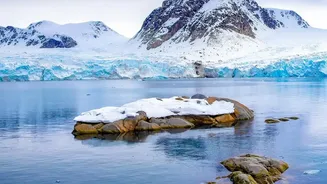
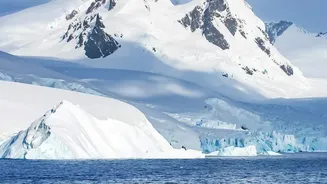
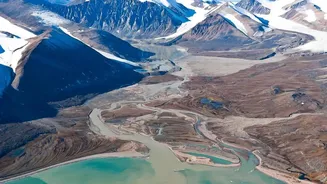
Svalbard isn’t just an island; it’s a vast archipelago halfway between Norway and the North Pole, a realm of profound silence, crushing ice, and stark beauty. Understanding its wilderness means grasping its extremes. About 60% of the land is covered by
glaciers, and it is home to more polar bears than people. The main settlement, Longyearbyen, is a small pocket of civilization in a landscape that is otherwise overwhelmingly wild. To truly comprehend Svalbard is to respect its fragility. Tourism is strictly regulated to protect the vulnerable ecosystem. Visitors must travel with licensed guides outside the town limits due to the risk of polar bears. Experiencing Svalbard means joining a small ship expedition to cruise past calving glaciers like Monaco Glacier, watching for whales and walruses from a Zodiac, or hiking across the tundra. This isn't a passive sightseeing trip; it's an immersion into a powerful, protected, and pristine environment where nature dictates all terms.
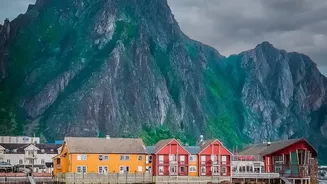
The Lofoten Islands: Dramatic Peaks and Fishing Villages
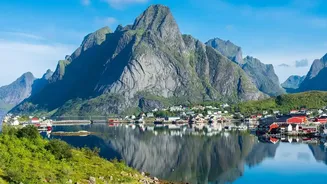
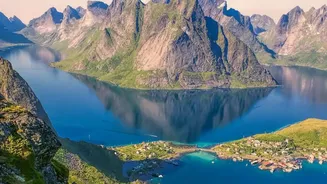
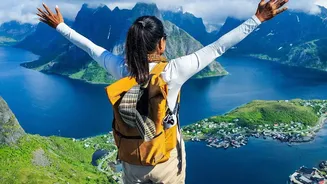
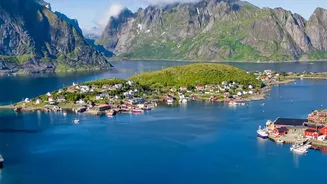
The Lofoten Islands are legendary for a reason. This archipelago is a wall of sharp, jagged mountains rising directly from the sea, creating scenery that feels almost mythical. The islands are famous for their charming red fishing cabins, called 'rorbuer', which are often converted into cozy accommodations for visitors. Reine is one of its most picturesque villages, a perfect base for hiking the famous Reinebringen trail for panoramic views. Beyond hiking, activities include kayaking in the fjords, surfing the surprisingly good waves at Unstad, and fishing for Arctic cod. From September to April, Lofoten is one of the world's best places to witness the northern lights, while summer brings the ethereal glow of the midnight sun.
Senja: Norway in Miniature
Often called 'Norway in miniature', Senja is the country's second-largest island and offers a stunning diversity of landscapes in a compact area. The outer coast is wild and dramatic, with mountains plunging straight into the ocean, reminiscent of Lofoten but with fewer crowds. Winding scenic roads lead to iconic viewpoints like Bergsbotn and Tungeneset, the latter known for its view of the 'Devil's Teeth' peaks. The island’s interior is gentler, with forests and the Anderdalen National Park. Senja is a haven for hikers, with popular trails up mountains like Segla and Hesten offering breathtaking vistas. It remains an active region of fishing communities, like the impossibly situated village of Husøy, which provides a glimpse into authentic coastal life.
Sommarøy: The Arctic's Caribbean
An hour's drive from Tromsø lies Sommarøy, the 'Summer Island', which defies its Arctic location with startlingly white sandy beaches and turquoise water. The contrast between the Caribbean-like shores and the rugged mountain backdrop is what makes this small fishing village so unique. During the summer, the midnight sun allows for late-night beach picnics and kayaking in the calm, clear waters. In winter, these same beaches become a prime spot for watching the northern lights dance over the open sea, with minimal light pollution. While the water is chilly, the sheer beauty of the landscape makes it a must-visit destination for those looking for serene and photogenic coastal scenery.
Vesterålen: The Kingdom of Whales
Just north of Lofoten, the Vesterålen archipelago offers a gentler, less-travelled alternative with its own major draw: whales. Thanks to its proximity to the deep-water continental shelf, the waters around the island of Andøya are rich feeding grounds, making Vesterålen one of the best places in the world for whale watching year-round. Sperm whales are often spotted in the summer, while winter brings humpbacks and orcas that follow migrating herring into the fjords. Besides whale safaris, which depart from towns like Andenes and Stø, Vesterålen offers scenic drives, excellent hiking, and a quieter, more spread-out landscape of farms and fishing villages compared to its southern neighbor.