





1. Choose Your Destination Wisely
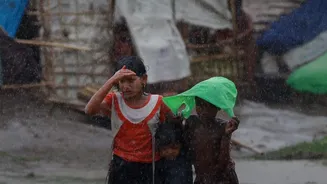
September is a month of transition. While some regions are still receiving heavy rainfall, others are beginning to dry out. Your first step to a weather-resilient trip is picking the right spot. By September, the monsoon has typically started its retreat
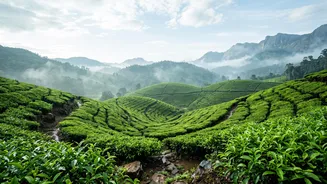
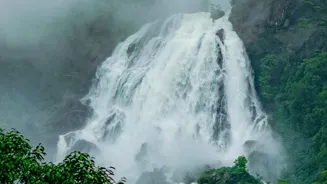
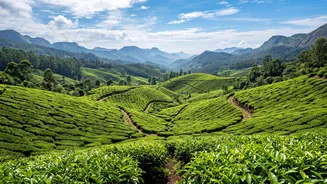
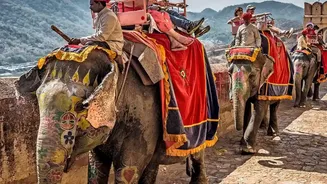
from North India, making it a good time to explore Rajasthan's now-greener landscapes and fuller lakes. Destinations like Udaipur and Bundi, often scorching, are pleasant and less crowded. In the south, the intensity of rain lessens in states like Kerala and Tamil Nadu, offering a chance to see the backwaters and tea gardens without the peak season rush. However, hill stations in the Western Ghats like Lonavala and Mahabaleshwar are still at their monsoon best, with waterfalls in full flow. Research local weather patterns for your chosen destination; some areas have predictable afternoon showers, which are easy to plan around. Regions like Spiti Valley and Ladakh remain dry, but the trekking season starts to wind down.
2. Embrace Flexible Bookings and Buffer Days
The single biggest mistake during monsoon travel is creating a tightly packed itinerary. Heavy rains can cause sudden road closures, train delays, and flight disruptions. The most effective strategy is to build flexibility directly into your schedule. Opt for hotels and flights that offer free cancellation or easy rescheduling, even if it costs slightly more. This peace of mind is invaluable if a sudden downpour waterlogs your route. More importantly, add buffer days to your plan. An extra day in a city can absorb a travel delay without forcing you to cancel the next leg of your journey. Think of these gaps as shock absorbers for your itinerary, giving it room to bend without breaking when faced with a delay. This approach allows you to switch to an indoor activity, like visiting a museum or a local café, without feeling like you've wasted a day.
3. Pack Smart with Quick-Dry Gear
Your packing list is your first line of defence against the damp. The goal is not just to stay dry, but to ensure your clothes and gear can recover quickly. Cotton is a poor choice for monsoon travel as it absorbs moisture and can take days to dry in high humidity. Instead, prioritise lightweight, synthetic fabrics like polyester and nylon blends that dry in hours. Your monsoon essentials list should include a reliable waterproof rain jacket or poncho, quick-dry t-shirts, and waterproof sandals or floaters with a good grip for slippery surfaces. A common mistake is relying solely on an umbrella, which can be useless against windy coastal or mountain gusts. Also, waterproof everything you can. Use dry bags or even simple zip-lock pouches for electronics, documents, and cash. A rain cover for your backpack is non-negotiable. An anti-fungal powder and a quick-dry microfibre towel are small additions that make a huge difference in comfort.
4. Prioritise Road Safety and Local Intel
Road trips are a popular way to see the rain-soaked countryside, but they require extra caution. Heavy rains can lead to landslides, potholes, and flooded roads, especially in hilly or rural areas. Before you start any journey, check the local road conditions with your hotel staff or through local news updates. They will have the most current information on closures or hazards. Avoid driving at night during heavy rain, as visibility is poor and it's harder to spot waterlogged patches. If you're using a driver, confirm that the vehicle's tyres and wipers are in good condition. For trekkers and nature lovers, always heed local warnings. Trails that are safe in the dry season can become dangerously slippery or be prone to leeches during the monsoon. Never attempt to take photos near the edge of overflowing waterfalls or on wet, slippery rocks.
5. Stay Informed and Healthy
Your smartphone is a powerful tool for a resilient trip. Use reliable weather apps to get real-time forecasts for your specific location. Before you lose signal in a remote area, download offline maps of the region. It’s also wise to keep a list of emergency contacts, including local authorities. Health is another key aspect of monsoon travel. The humid weather increases the risk of waterborne illnesses and mosquito activity. Stick to bottled or purified water and prioritise freshly cooked hot meals over pre-prepared street food that might have been exposed to the elements. Carry a basic first-aid kit with antiseptic, bandages, and any prescribed medications. A good insect repellent is essential, particularly in jungle and coastal areas. By staying informed and taking simple health precautions, you can ensure that a minor inconvenience doesn't turn into a major trip disruption.