

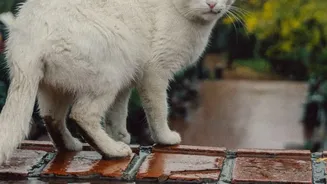
The Non-Negotiable Rule: Keep Them Dry
The single most important habit during the monsoon is ensuring your pet is thoroughly dry. Trapped moisture in a pet's coat, especially in double-coated breeds, creates a warm, damp environment that is an ideal breeding ground for fungi and bacteria.
This can lead to painful skin infections, hot spots, and a persistent musty odour. After every single walk, even a short one in a light drizzle, commit to a drying routine. Use an absorbent microfibre towel and press firmly to soak up excess water, rather than rubbing, which can irritate the skin. Pay special attention to often-missed spots: between the toes, under the belly, in skin folds, and around the ears. For dogs with thick fur, a hairdryer on a low-heat, low-speed setting can be essential to ensure the undercoat is completely dry.
Step Up Your Grooming Game
Regular grooming becomes more critical during the rainy season. Brushing your pet daily or every other day does more than just remove loose fur; it helps to aerate the coat, prevent matting that traps moisture, and allows you to spot skin issues early. While it might seem counterintuitive, reducing the frequency of full baths can be beneficial. Over-bathing strips the skin of its natural oils, weakening its protective barrier and making it more vulnerable to infections. When a bath is necessary after a particularly muddy adventure, use a mild, vet-approved shampoo, perhaps one with anti-fungal properties, and follow it with the rigorous drying routine mentioned above. Keeping your pet's coat trimmed shorter during these months can also improve air circulation and make drying quicker and more effective.
The Daily Tick and Flea Patrol
Monsoon is peak season for parasites like ticks and fleas, which thrive in warm, humid weather. These pests are not just an itchy nuisance; they can transmit serious illnesses. Make a daily tick check part of your routine, especially after walks. Carefully run your hands over your pet's entire body, feeling for small bumps. Pay close attention to their favourite hiding spots: inside and around the ears, between the toes, around the neck and collar area, and near the tail. If you find a tick, remove it promptly and carefully with tweezers. It’s crucial to continue with your vet-recommended flea and tick prevention schedule year-round, but it's especially vital during these high-risk months. A clean home environment also helps; regularly wash your pet’s bedding in hot water and vacuum carpets to eliminate any parasites that may have been brought indoors.
Don't Forget Paw and Ear Care
Your pet's paws and ears are particularly susceptible to problems during the monsoon. Paws are in constant contact with muddy, dirty water that can contain harmful bacteria and contaminants. After every walk, wash your pet's paws with clean water and dry them completely, especially the area between the paw pads where yeast infections can easily start. Keeping the fur between the pads trimmed can also help reduce the amount of mud and moisture that gets trapped.Ears, especially in floppy-eared breeds, can trap moisture, leading to painful ear infections. Check their ears weekly for any redness, discharge, or unpleasant smell, and gently wipe the outer part with a dry cloth to keep them clean.