





A Return to Regional Roots
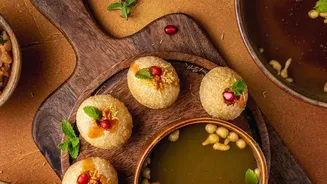
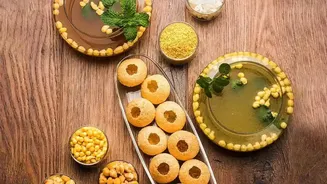
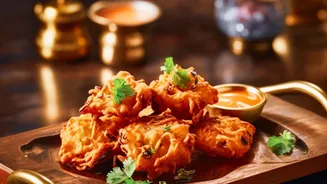
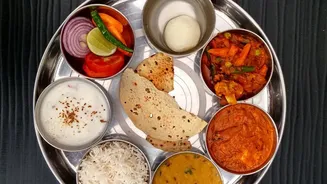
One of the most powerful forces driving this change is a renewed pride in India's immense culinary diversity. Diners are no longer satisfied with generic 'North Indian' or 'South Indian' labels; they want the real deal. This has sparked a movement towards
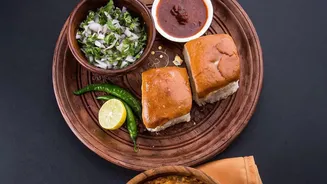
hyperlocal and micro-regional cuisines. Restaurants are now finding success by showcasing the unique flavours of specific communities and regions, from the celebratory fish curries of Manipur to the royal cuisine of the Marathas. This isn't just a trend, but a deeper cultural shift where authenticity and heritage are celebrated. Chefs are delving into forgotten recipes and using indigenous ingredients, creating dining experiences that tell a story and connect guests to a specific place.
The Health and Wellness Wave
The way Indians think about nutrition has fundamentally changed. Health is no longer a niche concern but a mainstream priority for millions. This shift from passive consumption to active, conscious food choices is dramatically influencing menus. Diners are looking for food that does more than just taste good; they want it to support their well-being, whether through better immunity, sustained energy, or fitness goals. As a result, restaurants are adapting. Menus are increasingly featuring protein-rich dishes, plant-based options, and lighter cooking techniques. Even food delivery apps have integrated 'healthy' modes that provide nutritional information, catering to a consumer base willing to pay a premium for food that makes them feel good.
Rise of the 'Experiential' Diner
Today's diner is seeking more than just a meal; they want an experience. Driven by rising disposable incomes and a desire for novelty, people are willing to pay for unique and memorable culinary journeys. This has moved dining beyond just food and service to include ambience, storytelling, and personalization. Restaurants are responding by creating curated tasting menus, hosting food festivals centered on specific regions, and offering immersive culinary events that connect diners with tradition and flavor. The one-size-fits-all approach feels impersonal in an age where diners crave connection and a sense of occasion with their food.
Digital Personalization and Convenience
Technology is playing a crucial role in dismantling the standardized menu. Digital platforms, from delivery apps to AI-driven ordering systems, are making it easier for restaurants to cater to individual preferences. These technologies can track dining history and offer customized recommendations, making the experience more personal and seamless. The growth of online food delivery has also given a massive platform to home chefs and local kitchens specializing in niche regional dishes, exposing consumers to a wider variety of authentic food experiences that were previously inaccessible. This digital exposure helps build brand loyalty and encourages diners to explore beyond the familiar.
The Global Palate at Home
While there's a strong pull towards local traditions, Indian diners have also developed a more global palate. This has led to the rise of sophisticated fusion cuisine that goes beyond novelty. Chefs are thoughtfully blending India's rich spice traditions with international techniques and formats, creating dishes rooted in genuine cultural stories. At the same time, global crossover cuisines like Indo-Chinese continue to be a massive draw, with formats like noodles and fried rice becoming permanent fixtures on many menus. This dual trend—a deeper dive into Indian roots alongside an embrace of global flavours—shows that the modern Indian diner wants both authenticity and adventure, something a generic menu can rarely provide.