



More Than Just Less Washing
The most obvious benefit of one-pot cooking is the blissfully empty sink at the end of the meal. But the real magic goes far beyond saving you from scrubbing multiple pans. When you cook everything in a single vessel—be it a kadai, a Dutch oven, or a pressure
cooker—the flavours don't just coexist; they meld and deepen. The starch from your pasta thickens the sauce it's cooking in. The juices from the chicken infuse the rice below it. Every ingredient contributes to a final dish that is richer, more complex, and more flavourful than the sum of its parts. It’s an efficient, intelligent way of cooking that turns weeknight dinner from a chore into a creative, satisfying process.
The Golden Rules of One-Pot Success
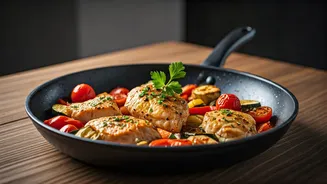
While simple, one-pot cooking does have a few principles that guarantee a great result. First, build flavour from the ground up. Start by searing your protein or browning your aromatics like onions, garlic, and ginger. These caramelised bits at the bottom of the pot are pure gold. Second, think about timing. Add ingredients in stages. Hardy vegetables like carrots and potatoes go in early, while delicate greens like spinach or herbs should be stirred in right at the end. Finally, manage your liquids. Too little, and things will burn; too much, and you’ll have soup. A good rule of thumb is to add just enough liquid to cover the main ingredients, then let it simmer and reduce.
Template 1: The All-in-One Pasta
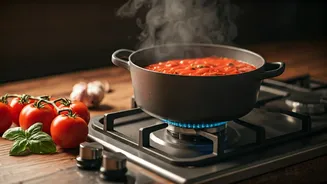
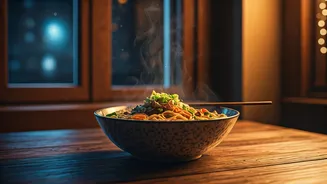
Forget boiling pasta in a separate pot. For a truly game-changing meal, try a one-pot pasta. The concept is simple: combine uncooked pasta, your sauce ingredients (like chopped tomatoes, garlic, and herbs), vegetables (like cherry tomatoes or mushrooms), and a measured amount of broth or water in a single large pan. Bring to a boil, then simmer, stirring occasionally, until the pasta is al dente and the liquid has reduced into a creamy, starchy sauce that clings perfectly to every piece. It's a 20-minute miracle that children and adults adore. Finish with a sprinkle of cheese and fresh basil for a restaurant-quality meal with minimal fuss.
Template 2: The Hearty Indian Khichdi or Stew
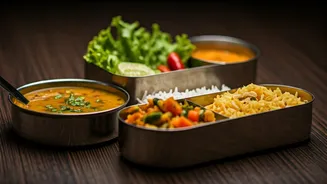
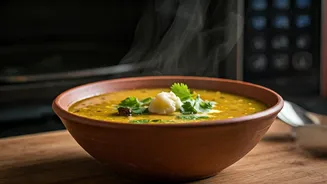
The one-pot concept is deeply rooted in Indian cuisine, with khichdi being the ultimate comfort food example. But you can apply the principle to so much more. Imagine a one-pot rajma or chana masala. Using a pressure cooker, you can sauté your onion-tomato masala, add the soaked beans or chickpeas, water, and whole spices, and cook it all together. The pressure infuses the flavour deep into the legumes, resulting in a creamy, perfectly cooked dish. This method works brilliantly for dals and vegetable curries too. It transforms long-simmering classics into manageable weeknight affairs without sacrificing an ounce of authentic taste.
Template 3: The Effortless Pulao or Rice Dish
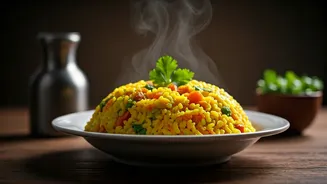
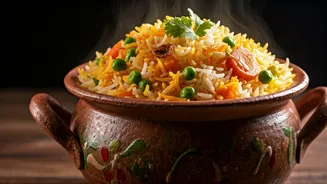
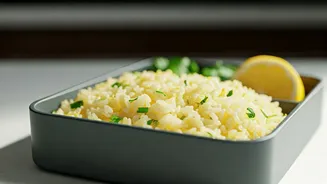
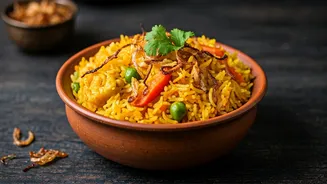
A one-pot rice dish is a complete meal in itself. Start by frying whole spices like cumin, cloves, and cardamom in ghee or oil to release their fragrance. Add your aromatics, followed by your choice of chopped vegetables (peas, carrots, beans) and protein (paneer, chicken, or chickpeas). Stir in your washed rice, toast it for a minute, then add the correct ratio of water or broth. Cover and let it simmer until the rice is fluffy and has absorbed all the delicious flavours. This method for making pulao, tehri, or even a simplified biryani ensures every grain is perfectly seasoned and the entire meal is ready in under 30 minutes.