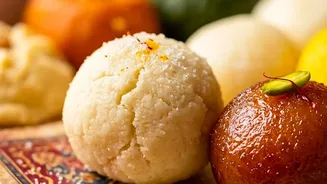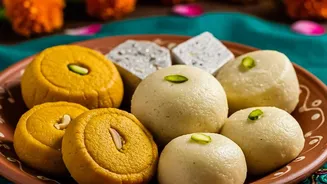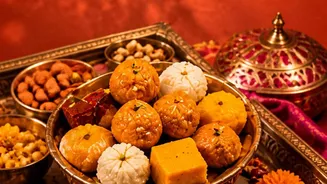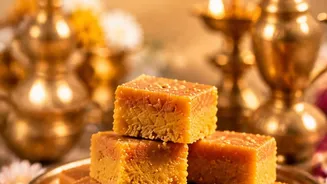


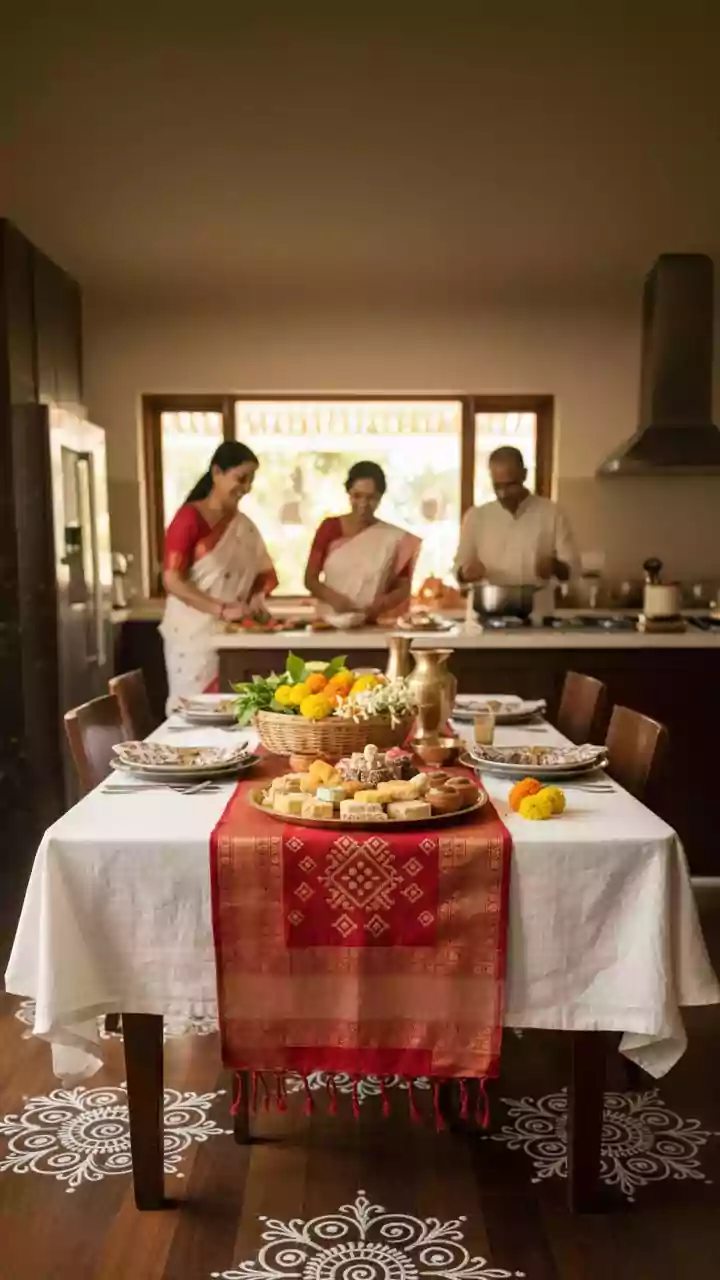
The aroma of ghee, cardamom, and sugar is the essence of Diwali. But turning your kitchen into a mithai shop can feel daunting. Here’s a plan to make it a joyful, organised process, from a month out to the day of the festival.
The Blueprint: One Month Before Diwali
The secret to a stress-free
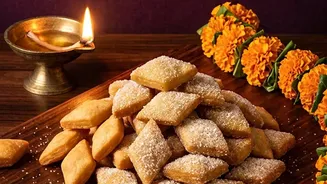
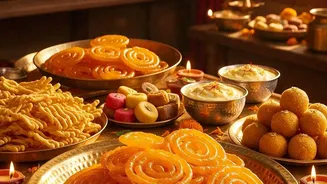
festive kitchen is planning. Start by visualising your sweet platter. A good menu offers variety in texture, flavour, and form. Aim for a mix of a classic milk-based sweet like a barfi, a flour-based sweet like besan ladoo, something crispy like shankarpali, and perhaps a syrupy delight like gulab jamun. Think about balancing rich, heavy sweets with lighter options. For instance, pair a decadent gulab jamun with a lighter phirni. Consider your skill level and available time. Choose two to four types of sweets to master. This is also the time to decide if you want to include healthier options like date and nut ladoos or baked gujiyas, which can be a welcome change. Make a master list of all the sweets you plan to make and the ingredients required. This is your roadmap.
The Prep Phase: Two Weeks Out
With your menu decided, you can now begin the prep work. Many ingredients can be prepared well in advance. This includes making homemade ghee, roasting and grinding nuts, and preparing flours. If you're making sweets that require mawa (khoya), you can prepare it and store it in the refrigerator. This is also a good time to shop for all your non-perishable ingredients like sugar, gram flour, desiccated coconut, and spices like saffron and cardamom. Having everything on hand prevents last-minute panic. Check your equipment—do you have the right pans, moulds, and enough airtight containers for storage? Proper storage is crucial to keep your sweets fresh. Using clean, dry, airtight steel or glass containers is best.
The Assembly Line: The Week of Diwali
Now the real cooking begins, but with a schedule, it’s manageable. Start with sweets that have a longer shelf life. Dry, shelf-stable sweets like chikki, dry-fruit barfi, and besan ladoo can be made up to a week in advance; their flavours often improve as they sit. Mid-week is perfect for sweets like kaju katli or mysore pak, which need a few days to set properly. As you get closer to Diwali, focus on the more perishable items. Anything fresh and milky, such as rasgulla, rasmalai, or kalakand, should be prepared the day before or on the morning of Diwali for the best taste and texture. Fried items like gulab jamun are also best made fresh. Remember to let every sweet cool completely before storing it to prevent moisture from making it soggy.
The Modern Twist: Adding Fusion Sweets
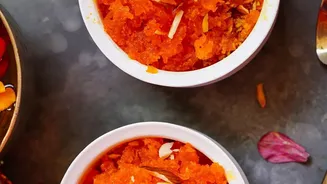
While traditional sweets are the heart of Diwali, adding one or two fusion desserts can delight your guests. These creative treats blend familiar Indian flavours with Western dessert styles. Think of gajar ka halwa truffles, rasmalai tiramisu, or gulab jamun cupcakes. These often look spectacular and can offer a refreshing counterpoint to the classic mithai. Many fusion desserts, like layered trifles or cheesecakes, can be made a day or two in advance, fitting neatly into your prep schedule. You could try something as simple as chocolate-dipped laddoos or as elaborate as a rasmalai cake. It’s a fun way to bring a contemporary touch to your festive table.
Presentation and Storage: The Final Touches
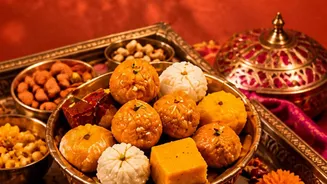
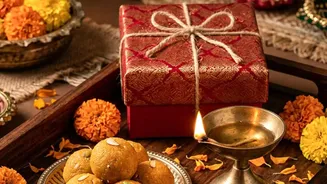
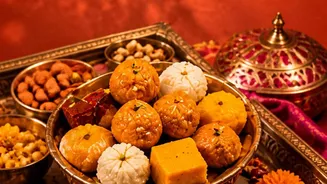
On the day of Diwali, your main job should be assembly and presentation. Arrange your sweets on a large thali or platter. For a beautiful presentation, try to create contrast in colour and shape. Separate different types of sweets to prevent flavours from mixing. Using mini cupcake liners for ladoos and pedas can keep them neat. When storing, remember the golden rule: milk-based sweets go in the fridge and should be eaten within a few days, while dry sweets like ladoos and barfis last longer at room temperature in an airtight container. Never mix crispy snacks with moist sweets in the same container. A well organised platter not only looks inviting but is a testament to your thoughtful planning.