






Tackle the RO Purifier Wastage
Reverse Osmosis (RO) purifiers are essential in many homes, but they are notoriously inefficient. For every litre of water purified, most systems waste between two to three litres. This 'reject water' isn't dirty, just high in dissolved solids, making
it perfectly usable for many chores. Instead of letting it run down the drain, simply redirect the wastewater pipe into a bucket or a small storage tank. This collected water is ideal for mopping floors, washing utensils, cleaning balconies, and flushing toilets. A family using 20 litres of RO water daily could save over 40 litres of fresh water every single day with this one simple change.
Upgrade Your Taps with Aerators
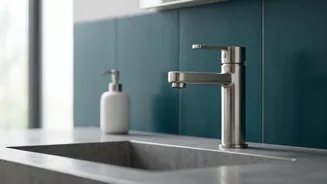
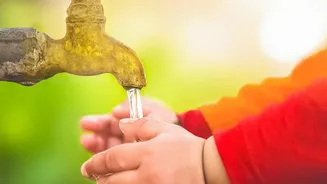
A faucet aerator is a small, inexpensive device that screws onto the tip of your tap. It works by mixing air into the water stream, which reduces the volume of water used while maintaining a steady, comfortable pressure. This simple upgrade can reduce a tap's water flow from over 10 litres per minute to as low as 4, potentially cutting water consumption at the sink by over 50%. The best part is that you barely notice the difference in performance, as the flow feels balanced and splash-free. It's a cost-effective change that reduces your water bill and conserves a significant amount of water over time.
Embrace Smart Bathroom Habits
The bathroom is a major area of water consumption in any home. While a long, hot bath is a luxury, it can use up to 200 litres of water. Opting for a quick, five-minute shower can cut that usage down to 30-50 litres. Another significant saving comes from fixing leaks. A single dripping tap can waste thousands of litres a year, so regularly checking for and repairing leaks in faucets and toilet cisterns is crucial. Modern dual-flush toilets, which use less water for liquid waste, can also cut down consumption significantly compared to older models that use 10-12 litres per flush.
Implement Simple Rainwater Harvesting
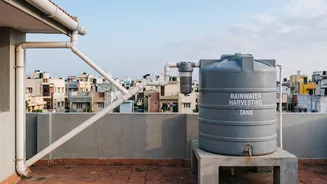
Even if you live in an apartment, you can still benefit from the monsoon's bounty. The concept of rainwater harvesting involves collecting and storing rainfall for later use. On a small scale, this can be as simple as placing buckets or a drum on your balcony or terrace to collect runoff. This water is excellent for watering plants, cleaning floors, or washing your car. For homeowners, a more formal rooftop harvesting system can be installed to direct rainwater into a storage tank, reducing reliance on municipal supply for non-potable needs and helping to recharge local groundwater levels.
Reuse Greywater Intelligently
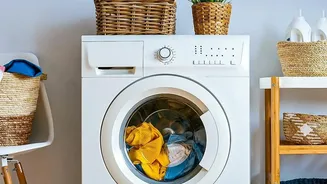
Greywater is the relatively clean wastewater from baths, showers, washing machines, and bathroom sinks. While setting up a full-fledged recycling system often requires planning during construction, simpler methods are still possible. Water used for the final rinse of laundry or from washing vegetables can be collected and used to water plants or clean outdoor areas. For households looking to make a bigger impact, compact greywater recycling systems are becoming more available and affordable, filtering this water for reuse in toilet flushing, which is one of the largest consumers of freshwater in a home.