
The New Natural Habitat
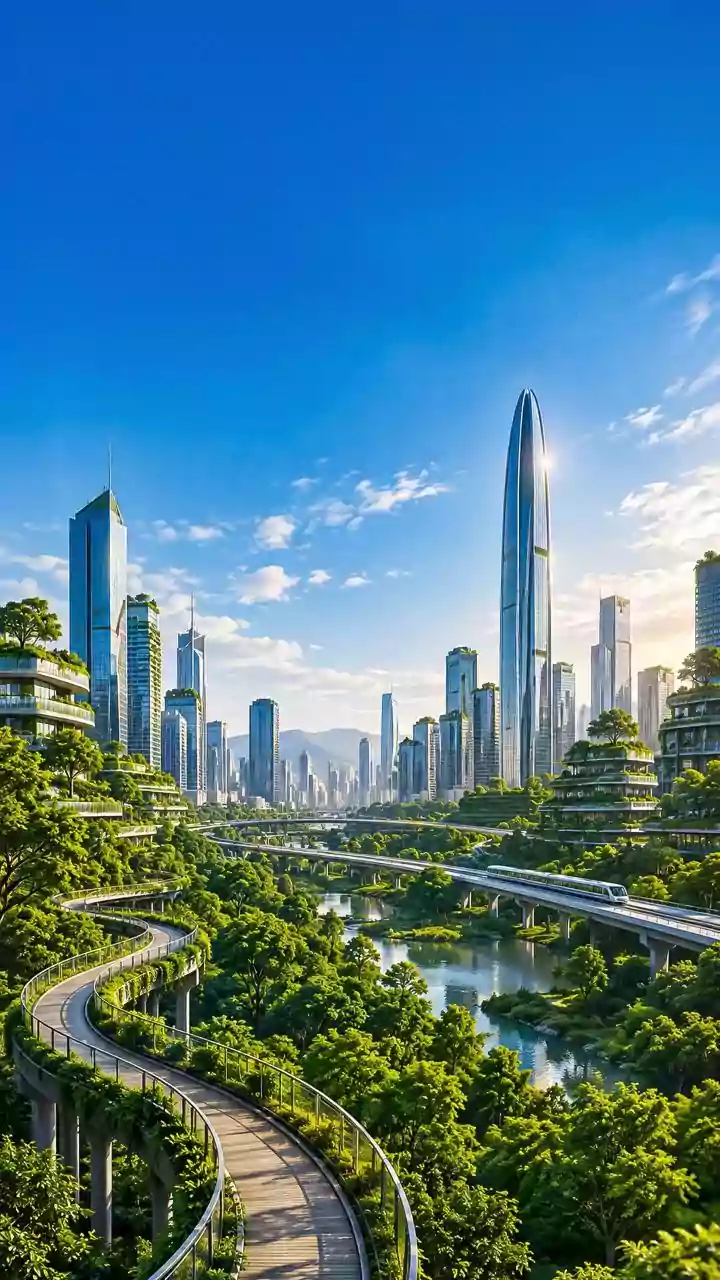
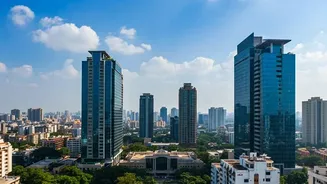
Cities are a challenging environment for most animals. They are noisy, bright, and full of obstacles. Yet for a growing number of species, they also present incredible opportunities. Urban areas can offer abundant food from our waste, warmth from buildings
and pavement, and shelter from natural predators. Animals that can exploit these new resources are finding ways to thrive. This process, sometimes called urban evolution, is happening all over the world, as creatures from insects to large carnivores learn to navigate a world built by humans. For some, this has been driven by the loss of their natural habitats, forcing them to make a living in the only space available.
India's Remarkable Urban Animals
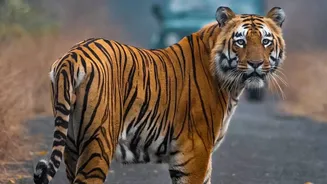
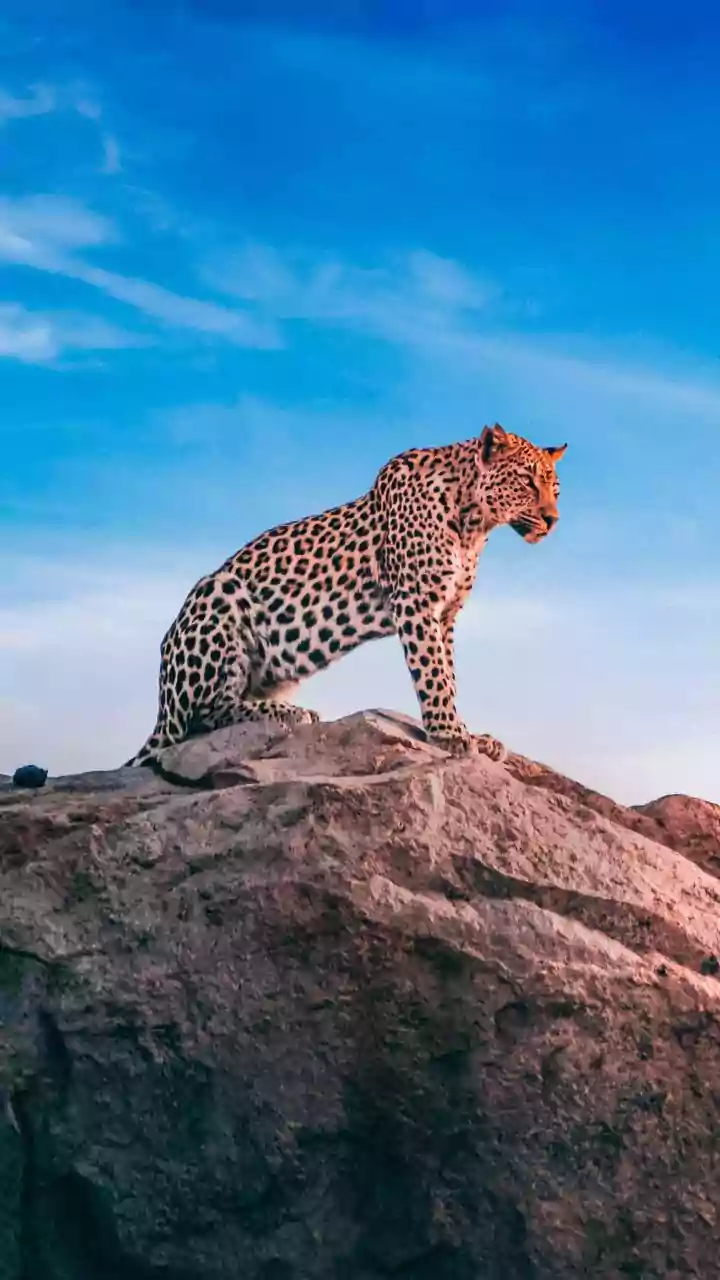
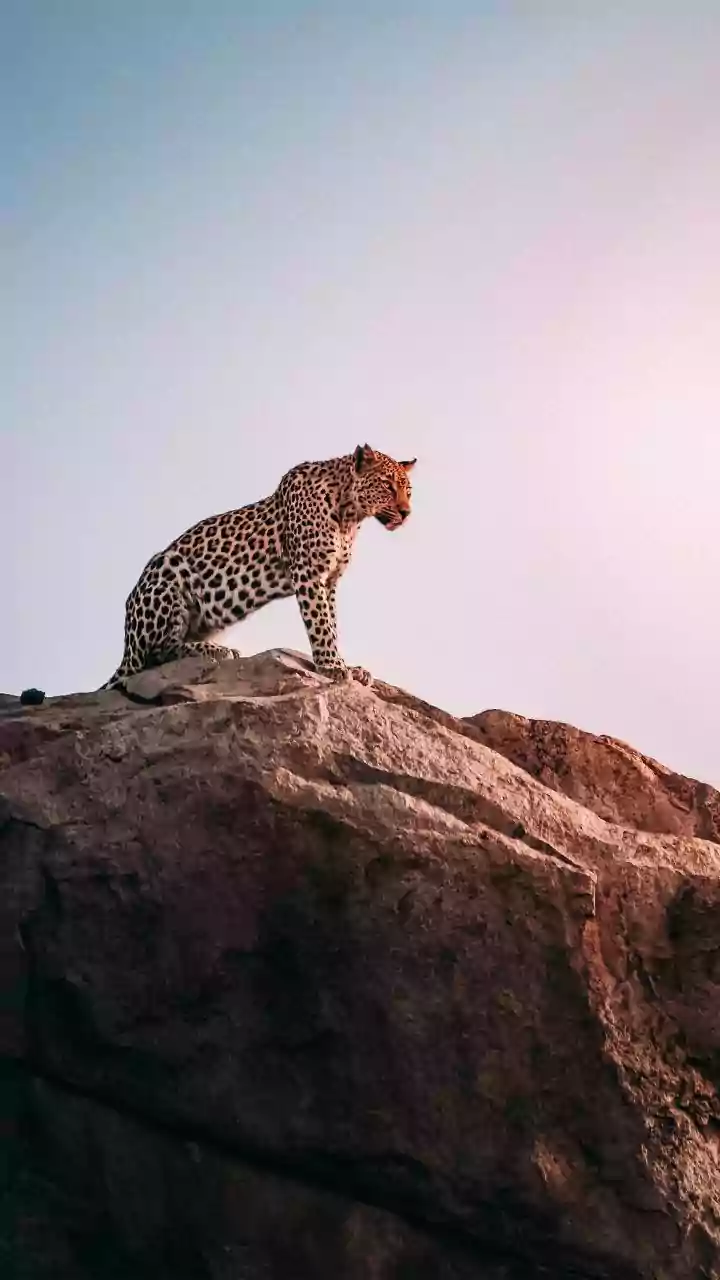
India provides some of the most dramatic examples of this trend. In Mumbai, leopards navigate the periphery of the sprawling metropolis, using the cover of Sanjay Gandhi National Park as a base. These highly adaptable predators have learned to move stealthily through human-dominated landscapes, often at night, preying on stray dogs and livestock. This has allowed a significant population of leopards to persist alongside one of the densest human populations on Earth. Meanwhile, in Delhi and other northern cities, rhesus macaques have become master urbanites. These intelligent primates have learned the rhythms of the city, from the location of markets and temples where food is plentiful to the best routes across rooftops and power lines.
Evolving Before Our Eyes
The changes aren't just behavioural; in some cases, cities are driving rapid physical evolution. Scientists have observed that some species are developing new traits to cope with urban life. In Puerto Rico, crested anole lizards in cities have evolved larger, stickier toe pads, which help them grip smooth surfaces like painted walls and glass. Elsewhere, some city birds have developed shorter wings, which may help them take off more quickly to avoid traffic and navigate dense clusters of buildings. Even the songs of birds are changing. Many urban birds now sing at a higher pitch to ensure their calls can be heard above the low-frequency rumble of traffic.
Clever Changes in Behaviour
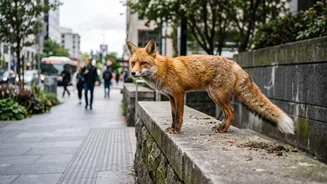
More commonly, animals are simply changing how they act. Adaptability is key. Many animals, like foxes and the leopards of Mumbai, have become more nocturnal to avoid encountering people. Others have become incredibly skilled problem-solvers. Raccoons are famous for learning how to open complex latches on garbage bins, a skill that has helped them flourish in cities. In Sydney, Australia, sulphur-crested cockatoos learned to open household bins with a specific sequence of movements, a technique that then spread socially through the parrot population. This intelligence and flexibility allow animals to turn urban challenges into opportunities.
A Complicated Coexistence
While the resilience of these animals is remarkable, their presence in cities is not without friction. Human-wildlife conflict is a growing challenge worldwide, from leopards in Mumbai to bears and coyotes in North American suburbs. These encounters can lead to property damage, fear, and in rare cases, physical harm to both humans and animals. The issue is often complex, as cities expand into what was once the animals' territory. Successful coexistence depends on human adaptation as much as animal adaptation. This includes better urban planning, securing waste to avoid attracting animals, and fostering public awareness to replace fear with understanding.