





Hospitality Starts at the Table
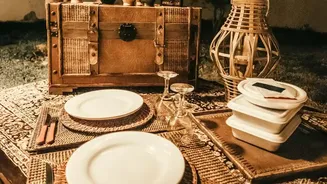
In Qatar, food is the primary expression of 'karam', the philosophy of generosity and welcoming guests. Being invited to dine in a Qatari home is a great honour, where hosts traditionally prepare far more food than necessary to ensure every guest feels
abundantly cared for. This spirit extends from private homes to the bustling souqs and restaurants. The meal often begins with a ceremonial offering of 'gahwa' (Arabic coffee infused with cardamom) and sweet dates, a gesture of warmth and respect that immediately immerses you in the local culture. This tradition, rooted in Bedouin history, sets the stage for a culinary experience that is as much about community as it is about consumption.
Machboos: The Celebrated National Dish
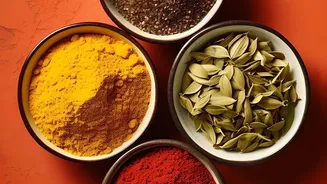
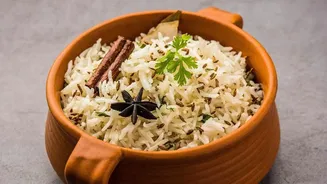
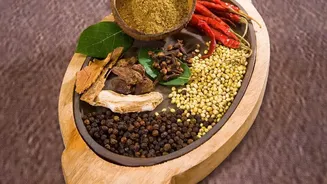
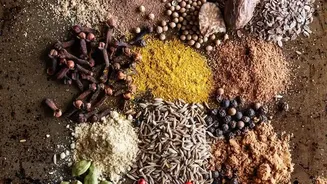
No culinary tour of Qatar is complete without Machboos, the country's beloved national dish. This fragrant, one-pot meal consists of long-grain rice slow-cooked in a rich broth with meat—typically lamb or chicken, though seafood versions are also popular—and a complex blend of spices. Key flavour notes come from 'loomi' (dried black limes), which impart a unique smoky and tangy taste, alongside spices like cardamom, cinnamon, and saffron. Often served on a large communal platter, Machboos is typically accompanied by 'daqoos', a fresh and spicy tomato sauce. You'll find it on menus everywhere, from traditional kitchens in Souq Waqif to modern fine-dining establishments.
A Sweet and Savoury Start to the Day
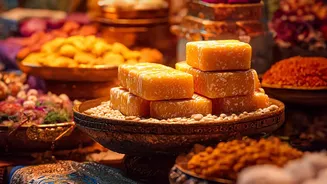
Qatari breakfasts offer a unique blend of sweet and savoury flavours. The most iconic morning dish is Balaleet, a surprising but delightful combination of sweet vermicelli noodles spiced with cardamom, rose water, and saffron, topped with a thin, plain omelette. This dish perfectly captures the influence of Persian and Indian trade routes on the local palate. Another must-try, often enjoyed as a dessert or a sweet snack, is Luqaimat. These are bite-sized, deep-fried dumplings, similar to doughnuts, which are crispy on the outside, pillowy in the inside, and drizzled generously with sweet date syrup or honey.
Exploring the Flavours of Souq Waqif
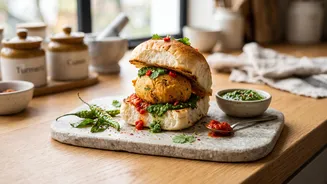
Doha's Souq Waqif is the vibrant heart of its culinary scene, a maze of alleyways where the smells of spices and grilling meats fill the air. Here, you can sample a vast array of street food and traditional dishes. Try 'regag', a paper-thin crepe-like bread cooked on a hot griddle, which can be filled with anything from cheese and egg to honey. You will also find stalls selling savoury pastries like 'samboosa', grilled kebabs, and shawarma. For a more formal meal, the souq is home to numerous restaurants specializing in authentic Qatari and regional cuisines, making it the perfect place to spend an evening exploring.
Karak Chai: The Unofficial National Drink
While Arabic coffee is ceremonial, Karak Chai is a daily ritual and the unofficial national drink. This strong, sweet, and milky tea was brought to the region by South Asian migrant workers in the mid-20th century and has been wholeheartedly adopted into Qatari culture. 'Karak' means 'strong' in Hindi, and the drink lives up to its name. It's made by brewing black tea with evaporated milk and spices, most notably cardamom, until it becomes rich and creamy. You'll see locals queuing at all hours at drive-through tea shops, and a shared cup of karak is a common social ritual that symbolises friendship and community.
A Bounty from the Sea
Given Qatar's long coastline and history as a pearling nation, seafood is a cornerstone of its cuisine. Popular local fish include 'hamour' (grouper) and 'safi' (rabbitfish), which are often simply grilled and served with rice and bread. Many restaurants, particularly in Souq Waqif and at Katara Cultural Village, allow you to choose your own fresh fish from a display, which is then cooked to your liking. Dishes like 'Jasheed', which features shark meat, or seafood stews like 'Saloona' showcase the country's deep connection to the Arabian Gulf.