




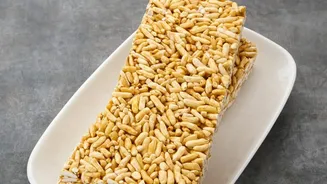


In the endless quest for a guilt-free snack, two contenders stand out: classic popcorn and the traditional powerhouse, puffed ragi. One is a global cinema staple, the other a nutrient-dense secret. But which one truly wins? The answer isn't simple.
The Global Champion: Popcorn
Popcorn's
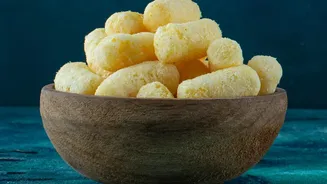
greatest strength is its identity as a 100% whole grain. When air-popped and unadorned, it is a low-calorie, high-fibre snack. A single cup of plain, air-popped popcorn contains only about 31 calories. This low calorie count, combined with its high fibre content, makes it incredibly filling, which can aid in weight management by helping you feel full on fewer calories. Furthermore, popcorn is a source of polyphenols, a type of antioxidant linked to benefits like better blood circulation and digestive health. The trouble begins not with the corn itself, but with its preparation. The popcorn you get at the cinema or in many microwaveable bags can be a completely different story. A large tub from a movie theatre can pack over 1,000 calories and an enormous amount of sodium, often thanks to being popped in oil and drenched in buttery toppings. These additions transform a light, healthy grain into a high-calorie, high-fat, and high-salt indulgence.
The Traditional Powerhouse: Puffed Ragi
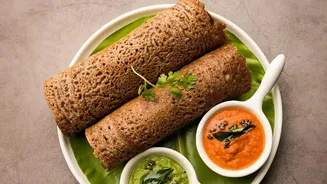
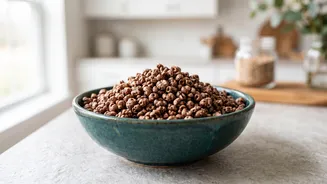
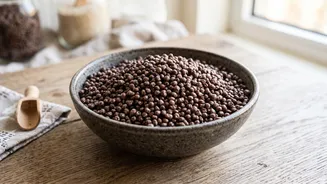
Ragi, or finger millet, is an ancient grain that has been a staple in Indian households for centuries. As a snack, puffed ragi boasts an impressive nutritional profile. Its most significant advantage is its exceptional calcium content; 100 grams of ragi contains about 344mg of calcium, which is substantially more than milk, wheat, or maize. This makes it an excellent food for bone health. Ragi is also a rich source of iron, fibre, and essential amino acids like tryptophan, which can help regulate appetite. Being naturally gluten-free, it is an excellent option for those with celiac disease or gluten sensitivity. Like popcorn, however, the health benefits of puffed ragi depend on how it's prepared. While homemade roasted ragi puffs can be a fantastic, nutrient-dense snack, commercially available versions can sometimes contain high levels of salt and artificial flavourings.
A Head-to-Head Comparison
When placed side-by-side in their purest forms, the two snacks have distinct advantages. For sheer volume and low-calorie snacking, air-popped popcorn is hard to beat. Its high fibre per calorie makes it very satisfying for its weight. Ragi, on the other hand, is a clear winner in the micronutrient department, particularly for its high levels of calcium and iron. Ragi's protein quality is also notable, as it contains amino acids often lacking in other plant-based diets. However, popcorn contains a higher concentration of polyphenol antioxidants, especially in the hulls (the bits that get stuck in your teeth). For those managing blood sugar, ragi's low glycemic index makes it a slightly better choice, as it helps prevent sharp spikes in blood sugar levels.
The Preparation Proviso
Ultimately, the question of which snack is healthier has less to do with the grain itself and more to do with what you do to it. Both popcorn and puffed ragi are healthy whole grains in their natural state. The 'unhealthy' label gets attached when oil, butter, sugar, or excessive salt enter the picture. A bowl of airpped popcorn with a sprinkle of herbs is a world away from buttery, salt laden movie theatre popcorn. Similarly, roasted lightly spiced puffed ragi is nutritionally superior to fried versions loaded with sodium. Adding toppings like cheese powders caramel or heavy seasonings can quickly erase the health benefits of either snack. To get the most out of them think minimal. Air popping or dry roasting is the best method. For flavour turn to spices like paprika cumin or cinnamon instead of salt and sugar.