





Understanding 'Certified' Operators
The term 'certified' isn't just a marketing buzzword; it points to a framework of safety and professionalism. In India, the Ministry of Tourism, in association with the Adventure Tour Operators Association of India (ATOAI), has formulated comprehensive
safety guidelines for the sector. These guidelines aim to establish a standardised safety protocol across all states and for various activities, including land, air, and water-based adventures. An operator certified or recognised by such bodies is more likely to adhere to these crucial standards, which cover guide qualifications, equipment quality, and operational procedures. While the responsibility for regulation primarily lies with state governments, these national guidelines provide a critical benchmark for safety.
Why Certification Matters in Winter
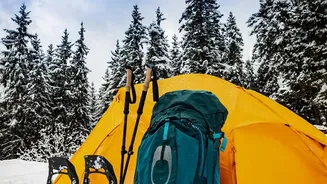
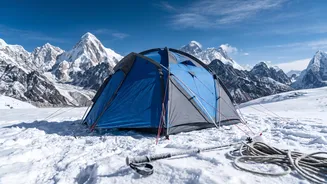
Winter conditions introduce specific, heightened risks that demand expert handling. Hypothermia, frostbite, and altitude sickness are serious threats on high-altitude snow treks. Certified operators are better equipped to manage these dangers. Their guides often undergo specialised training in first aid, risk management, and rescue protocols. The equipment they provide—four-season tents, sub-zero sleeping bags, and proper insulation—is designed to withstand extreme cold, unlike the gear offered by many unverified roadside vendors. Furthermore, they are trained to monitor weather conditions constantly and make critical decisions, such as knowing when to turn back if a trail becomes unsafe due to heavy snowfall or avalanche risk.
What Safety Standards to Expect
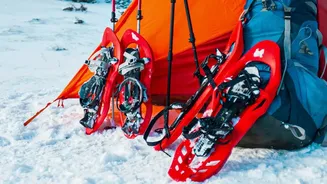
Booking a certified operator should translate into tangible safety measures on the ground. According to ATOAI guidelines, this includes having a favourable guide-to-client ratio, carrying emergency communication devices like satellite phones, and having a documented emergency evacuation plan. The equipment, from ropes to stoves, must be well-maintained and regularly inspected. You should also expect a thorough safety briefing before the trek begins, covering the day's trail conditions, potential hazards, and how to use safety gear like microspikes or gaiters. This level of preparedness is what distinguishes a professional operation from a risky gamble.
The Role of Booking Platforms
Online booking platforms offer a convenient way to browse and compare operators. However, their verification processes can vary. While some platforms may feature 'certified' tags, it's wise to treat this as a starting point, not a final guarantee. The most reliable approach is to cross-reference the operator's credentials. Check if they are listed as a member on the ATOAI website or a similar recognised industry body. Don't hesitate to contact the operator directly before booking and ask specific questions about their certifications and safety protocols.
Questions to Ask Before You Book
To ensure you’re in safe hands, empower yourself with the right questions. Ask the operator for proof of their ATOAI membership or state tourism registration. Enquire about the specific training and certifications their guides hold, such as a Basic Mountaineering Course or wilderness first-aid qualifications. Ask them to detail their emergency and rescue plan for the specific trek you're interested in. What communication devices do they carry? What is their protocol for altitude sickness? A professional and certified operator will welcome these questions and provide clear, confident answers. Vague responses or a lack of documentation are significant red flags.