






Front-of-Pack Hype vs. Back-of-Pack Facts
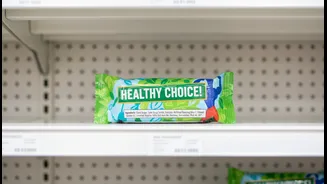
Supplement brands use compelling words like "Ultra-Lean," "Maximum Gains," or "Advanced Formula" to grab your attention. These are marketing claims, not nutritional guarantees. The real story is told in the nutrition information panel and the ingredients
list. In India, the Food Safety and Standards Authority of India (FSSAI) mandates that this panel discloses the product's actual composition. This is your primary tool for judging quality. A flashy label can hide a mediocre product, while a simple label might contain a high-quality powder. The first step is to ignore the hype and turn the container over.
Serving Size: The Most Common Deception
One of the easiest ways for brands to mislead consumers is by manipulating the serving size. A company might claim "30 grams of protein per serving," but their recommended serving size could be a massive 40-gram scoop, meaning the powder is only 75% protein. Another brand might offer 25 grams of protein in a 30-gram scoop, which is a higher concentration (over 83%). To make a fair comparison, always calculate the protein content per 100 grams. This simple math cuts through the marketing and shows you the true protein density of the product you're paying for.
Know Your Protein: Concentrate vs. Isolate
The label will specify the type of protein used. For whey, the most common options are concentrate and isolate. Whey concentrate is less processed, contains some fat and lactose, and is generally more affordable, making it a great starting point for many. Whey isolate undergoes more filtration to remove most of the fat and lactose, resulting in a higher protein percentage and faster digestion. This makes isolate a better choice for those with lactose sensitivity or on a strict low-carb diet. Neither is inherently "better"; the right choice depends on your budget, dietary needs, and goals.
The Ingredient List: What Comes First Matters Most
Ingredients are legally required to be listed in descending order of weight. This means the first ingredient is the most prominent one in the formula. For a quality protein powder, the first ingredient should be a protein source, like 'Whey Protein Isolate' or 'Pea Protein'. If the list starts with fillers like maltodextrin, sugar, or a 'proprietary blend', it's a major red flag. These are often cheaper ingredients used to bulk up the powder, and their presence at the top of the list means you're getting less of the primary ingredient you want: protein.
Watch Out for 'Protein Spiking'
A deceptive practice known as 'protein spiking' or 'amino spiking' is used by some manufacturers to cut costs. This involves adding cheap, non-protein nitrogen-containing compounds like glycine or taurine to the powder. Standard protein tests measure nitrogen content to estimate protein levels, so these additives can artificially inflate the protein number on the label. You think you're paying for 25 grams of complete protein, but a significant portion might be low-quality fillers that don't help with muscle repair or growth. A transparent label that shows a complete amino acid profile is a good sign against this practice.
Look for the FSSAI License and Third-Party Seals
In India, every legitimate supplement must have a 14-digit FSSAI license number printed on the label. You can verify this number on the FSSAI website to confirm the brand is registered with the national food safety regulator. Furthermore, look for logos from independent third-party testing organizations. These seals indicate that the product has been tested for banned substances and to verify that what's on the label is what's in the tub. These certifications provide an extra layer of assurance about the product's quality and safety, which is crucial in a market where misleading claims are common.