


The Two Types of Dietary Iron
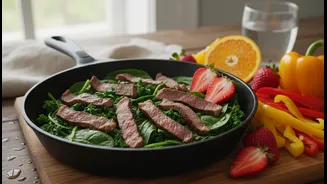
First, it's important to understand that iron in our food comes in two forms: heme and non-heme. Heme iron is found in animal products like meat, poultry, and fish. Your body finds this type very easy to absorb. On the other hand, non-heme iron is found in plant-based
foods such as lentils, beans, spinach, and fortified cereals. While incredibly healthy, non-heme iron is less bioavailable, meaning your body has a harder time absorbing it. For vegetarians, vegans, and anyone relying heavily on plants for their iron intake, this presents a significant challenge. This is where Vitamin C steps in to play a starring role.
Vitamin C: The Key to Unlocking Plant Iron
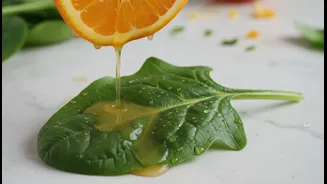
Think of Vitamin C as a key that unlocks non-heme iron. Most plant-based iron is in a form called ferric iron (Fe³⁺), which our gut struggles to absorb. Vitamin C, or ascorbic acid, works its magic by converting this ferric iron into ferrous iron (Fe²⁺), the form that our intestines can readily absorb. It essentially transforms the iron into a more soluble and bioavailable state. Furthermore, Vitamin C helps to form a protective complex around the iron, preventing it from binding with dietary inhibitors like phytates and polyphenols, which are commonly found in grains, tea, and coffee. This dual action makes it the single most potent enhancer of non-heme iron absorption.
Your Plant-Based Iron Shopping List
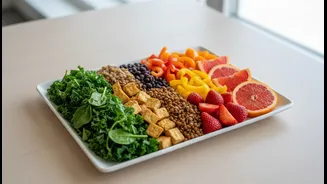
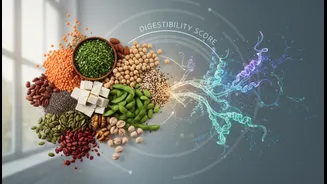
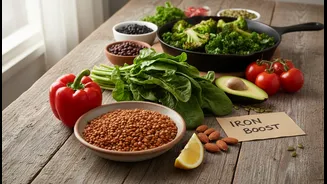
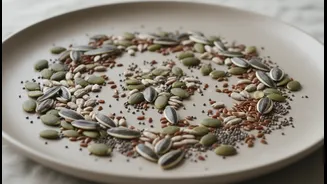
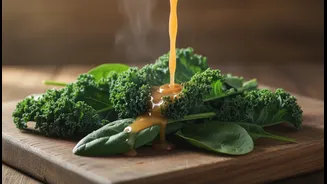
Building an iron-rich diet from plant sources is easy in India, with so many nutrient-dense options available. Excellent sources of non-heme iron include lentils (dals), chickpeas (chana), and kidney beans (rajma). Leafy greens like spinach (palak), moringa leaves, and amaranth leaves are also packed with iron. Don't forget about seeds and nuts; garden cress (halim), sesame (til), and pumpkin seeds are exceptionally high in iron. Even staples like tofu, made from soybeans, and certain whole grains like bajra and ragi contribute significantly to your daily iron needs.
Finding Your Vitamin C All-Stars
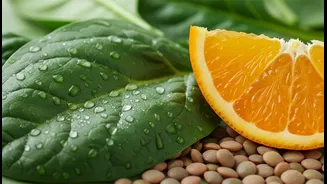
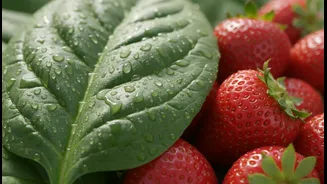
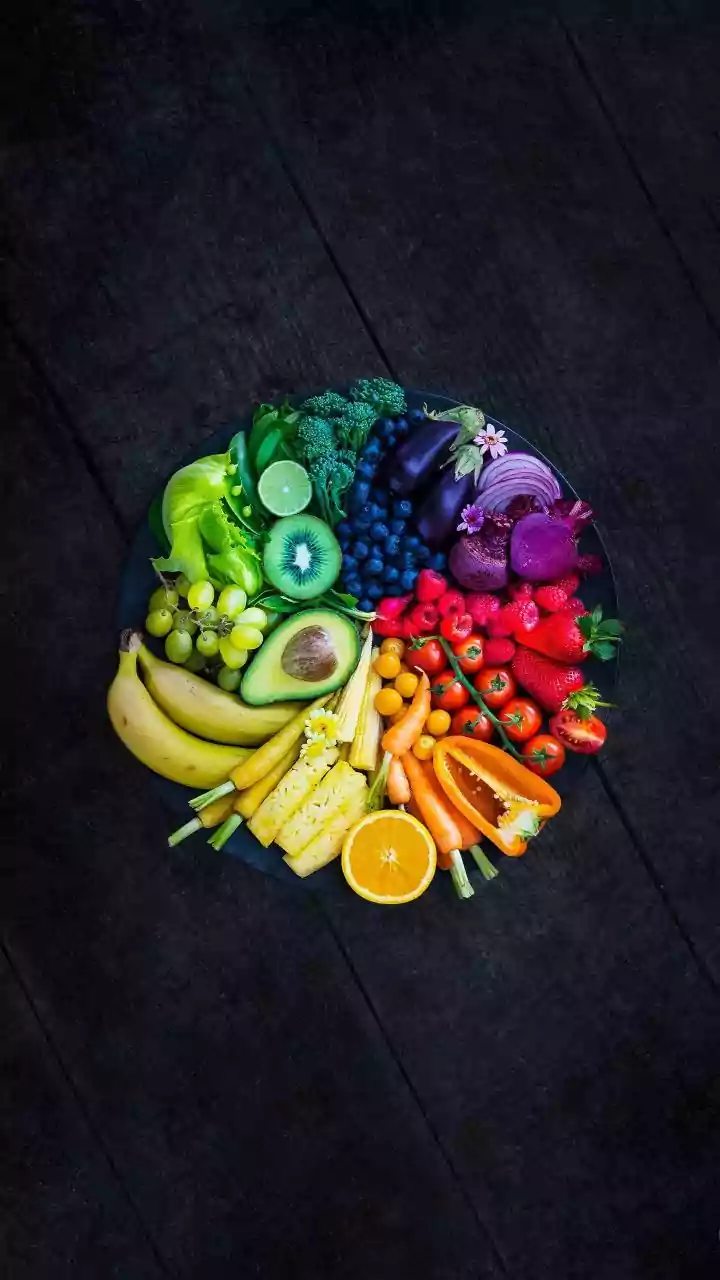
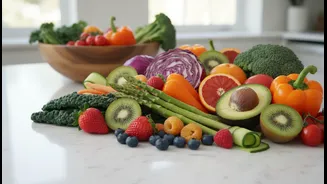
Pairing these iron sources with Vitamin C is simple, as many of India's most beloved fruits and vegetables are bursting with it. Amla (Indian gooseberry) is a powerhouse, containing significantly more Vitamin C than most other fruits. Guavas are another exceptional source. Common citrus fruits like lemons, sweet limes (mosambi), and oranges are fantastic choices. Vegetables are also great sources; bell peppers (capsicum), especially the red and yellow varieties, tomatoes, and green chillies are rich in this essential vitamin. Incorporating broccoli, papaya, and mango into your diet will also provide a substantial boost.
Simple, Powerful Food Pairings
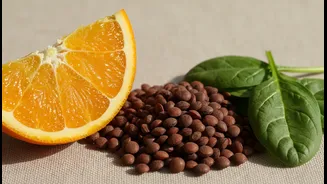
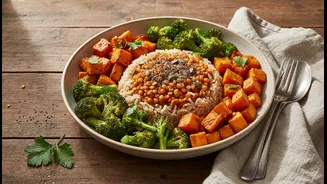
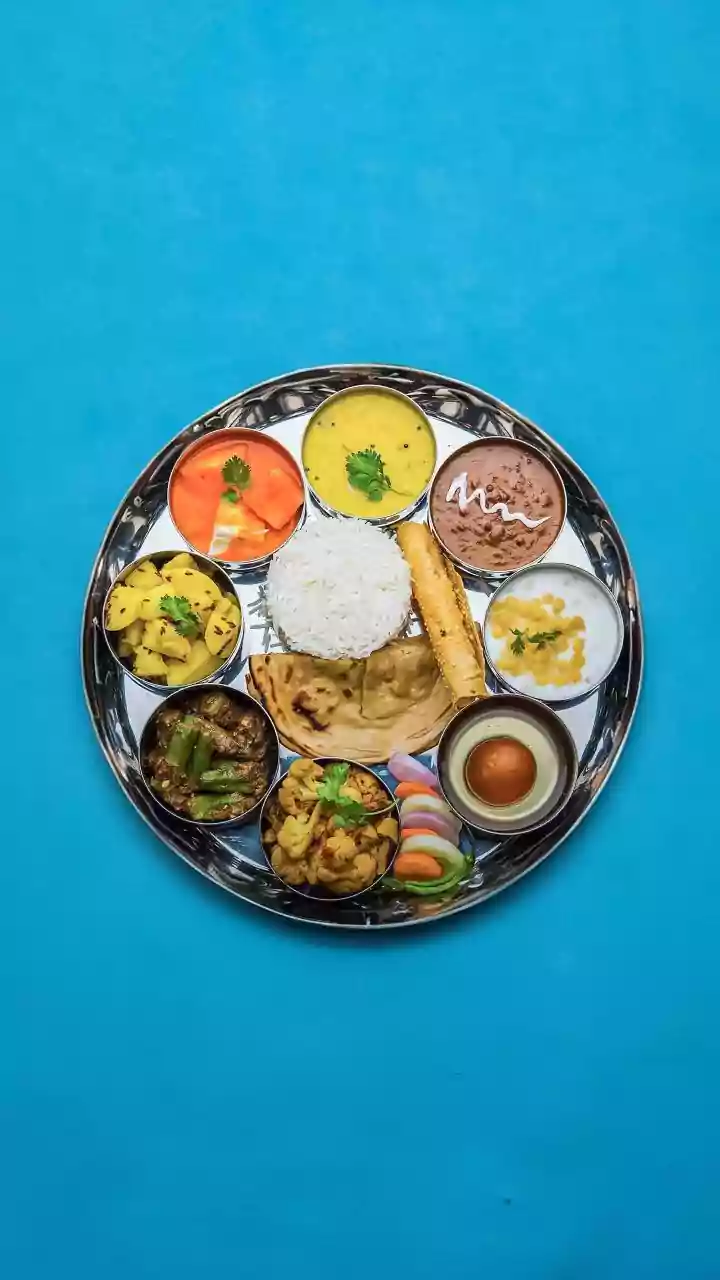
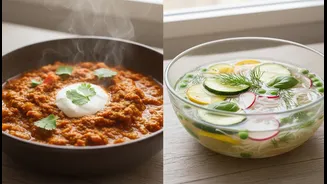
Putting this knowledge into practice is the most important step. The good news is that many traditional Indian eating habits already do this intuitively. Think about squeezing a wedge of lemon over your bowl of dal or spinach sabzi; this simple act can dramatically increase iron absorption. Adding tomatoes to a chickpea curry (chana masala) serves the same purpose. Try having a side of kachumber salad (cucumber, tomato, onion) with your lentil-based meals. For breakfast or a snack, a bowl of papaya or a fresh guava alongside an iron-fortified cereal can make a huge difference. Pairing amaranth leaves with tomatoes or a squeeze of lime is another effective strategy. The goal is to consume your iron and Vitamin C sources in the same meal.
What Can Hinder Iron Absorption?
Just as Vitamin C enhances absorption, other compounds can inhibit it. The main culprits are phytates, found in whole grains and legumes, and tannins, which are polyphenols present in tea and coffee. Calcium from dairy products can also interfere with the absorption of both heme and non-heme iron. This doesn't mean you should avoid these foods, but rather be strategic about timing. Try to avoid drinking tea, coffee, or milk immediately with your iron-rich meals. Waiting at least an hour before or after your meal can prevent these compounds from interfering with iron uptake.