


The Return of Ancient Grains
For centuries, before wheat and rice became kitchen staples, millets were the heart of the Indian diet. These hardy, versatile grains are making a well-deserved comeback. Packed with fibre, protein, and essential minerals, millets are naturally gluten-free
and have a low glycaemic index, which helps in managing blood sugar levels. Incorporating them into your festive menu is a simple way to add immense nutritional value to indulgent dishes, making celebrations both hearty and healthy. They offer a unique, earthy flavour that can add a new dimension to familiar favourites.
Meet Your Festive Millets
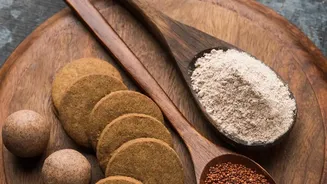
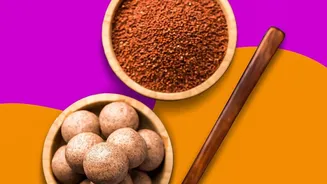
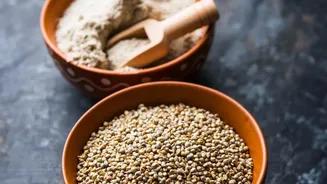
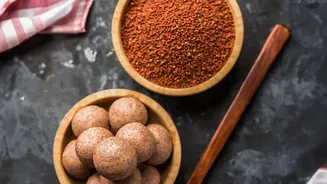
Understanding the unique properties of each millet can help you use them effectively. Ragi (Finger Millet) is a nutritional powerhouse, famed for its incredibly high calcium content—among the richest non-dairy sources available. It has a distinctive earthy taste. Bajra (Pearl Millet) is rich in iron and protein, known for its warming properties, making it a winter favourite. It possesses a slightly nutty flavour. Jowar (Sorghum) is prized for being light on the digestive system and rich in protein and fibre. It has a mild, neutral taste, making it one of the most versatile millets to cook with.
Healthier Sweets and Mithai
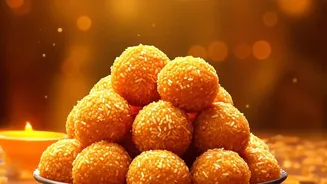
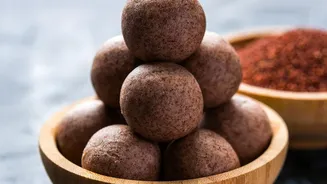
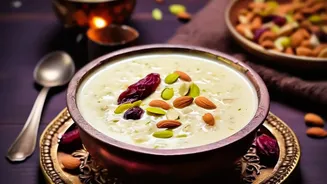
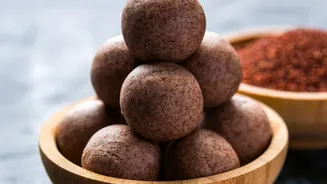
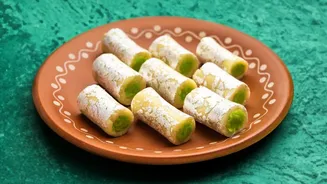
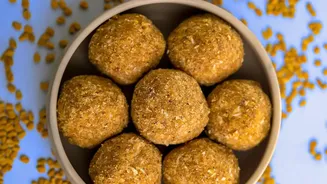
Festive sweets are often the main attraction. You can give them a nutritious makeover with millets. Try making Bajra Ladoo by roasting bajra flour in ghee until aromatic, then mixing it with powdered jaggery, nuts, and cardamom. This traditional sweet is not only delicious but also energy-boosting. For a different take on halwa, substitute sooji (semolina) with ragi flour. Ragi Halwa has a rich, deep flavour and a wonderfully smooth texture when cooked with milk, ghee, and a sweetener like jaggery. You can also make a millet-based kheer using barnyard millet instead of rice for a lighter, fibre-rich dessert.
Savoury Snacks Reimagined
Don't stop at sweets. Millets can easily be incorporated into your favourite savoury snacks. Instead of all-wheat pooris, try making Jowar Pooris. By mixing jowar flour with a smaller portion of wheat flour (to help with binding), salt, and spices, you can create delicious, slightly denser pooris that are easier to digest. Many recipes suggest adding warm water while kneading the dough for better consistency. Another great idea is to create a multi-grain mathri or chakli by blending ragi or bajra flour with your regular flours. These additions not only boost the fibre content but also give the snacks a delightful, rustic crunch.
Tips for Cooking with Millets
Cooking with millets can be simple with a few key tips. First, always rinse millets thoroughly before use. Soaking them for a few hours can improve digestion and reduce cooking time. When substituting millet flours for wheat flour in recipes like baked goods or pancakes, it's often best to start with a blend. A 30% millet to 70% wheat flour ratio is a good starting point, which you can adjust to your taste. Since millet flours are gluten-free, they don't bind as well. Using a binder like yoghurt or adding a little wheat flour can improve the texture of doughs. For a creamier porridge, use more water and stir frequently. Don't be afraid to experiment with small batches to find the perfect texture and flavour for your family's palate.