



Beyond the Postcard Spots
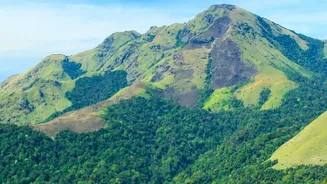
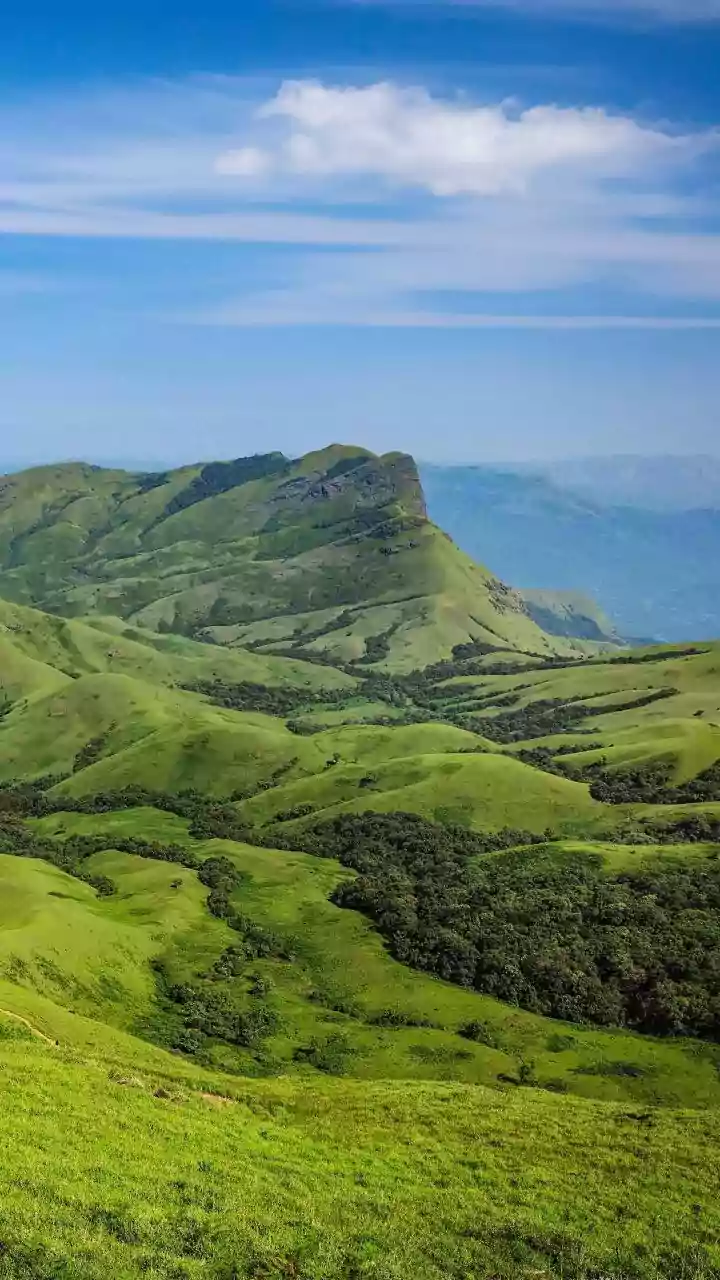
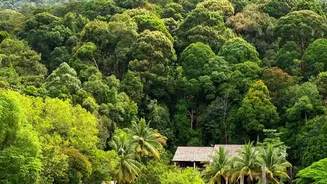
Stretching along India's western coast, the Western Ghats are a paradise of biodiversity, offering everything from dense rainforests to rolling grasslands. Destinations like Ooty, Munnar, and Coorg are famous for their stunning beauty, but their popularity
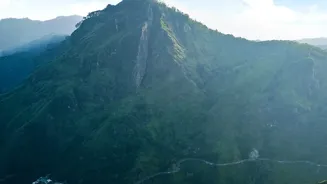
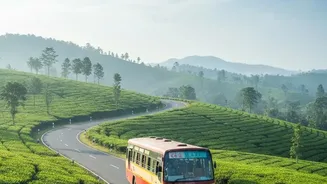
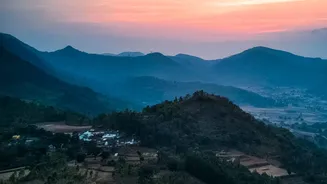
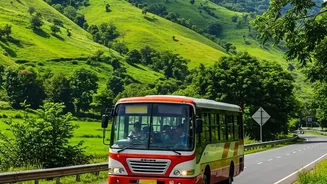
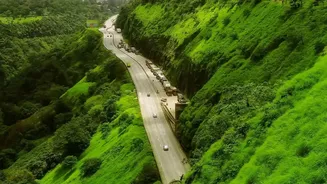
comes at a cost. Over-tourism strains local infrastructure, leads to environmental degradation, and can diminish the authentic experience travellers seek. The constant rush for the perfect photo at an overrun viewpoint often leaves little room for genuine connection with the place. The alternative lies not in avoiding these regions, but in exploring them differently—by seeking out the quiet trails, winding ghat roads, and lesser-known peaks that reveal the true soul of the mountains.
Slowing Down, Connecting Deeper
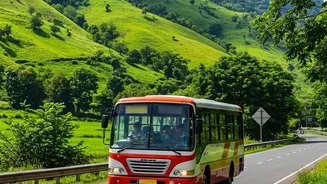
This is the essence of mindful travel. It’s a conscious choice to slow down, be present, and engage more deeply with your surroundings. Instead of rushing through a checklist of sights, mindful travel encourages immersing yourself in the local culture, environment, and your own experience. Choosing an uncrowded route through the Ghats allows for this shift in perspective. The journey itself—whether a leisurely drive through Amboli Ghat during monsoon or a trek up a quiet peak like Netravathi—becomes the destination. This approach reduces stress and enhances well-being, allowing for a more restorative and meaningful connection with nature.
Tourism That Gives Back
When you venture off the beaten path, you directly support sustainable eco-tourism. This form of travel aims to conserve the environment and improve the well-being of local people. By choosing locally-owned homestays in Wayanad or eco-lodges in the Sahyadris, your money flows directly into the community, providing livelihoods and incentivizing conservation. Many of these smaller establishments practice sustainability by default, using local ingredients, conserving water, and creating minimal waste. This model contrasts sharply with large-scale tourism, where economic benefits often leak out of the local area. Community-based tourism initiatives, like those in Periyar Tiger Reserve, empower residents and give them a stake in protecting their natural heritage.
Where to Find Your Quiet Corner
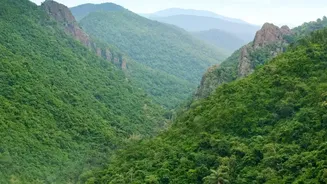
Finding these uncrowded routes doesn't require a compass and a map to uncharted territory. It simply requires a shift in planning. Consider exploring the serene trails around Valparai in Tamil Nadu, known for its rich biodiversity beyond the tea plantations. The Malnad region of Karnataka, encompassing Chikmagalur and Saklespur, offers a mix of heritage sites and wild forests away from the main hubs. Drives through less-trafficked roads like the Chorla Ghat, connecting Goa and Karnataka, offer solitude amidst dense forests. In Maharashtra, eco-friendly farm stays near Karjat or Kamshet provide an immersive experience in sustainable living. These places offer a chance to connect with nature without contributing to the ecological strain seen in more famous locales.
A Journey That Resonates
The impact of choosing a quieter path is twofold. For the traveler, it provides a more authentic and peaceful experience, fostering a genuine appreciation for the delicate ecosystem of the Western Ghats. For the destination, it distributes the economic benefits of tourism more equitably and reduces the pressure on 'honeypot' sites. This approach helps preserve both the natural environment and the local culture for future generations. Recent studies show that a vast majority of Indian travellers feel they are the best version of themselves when travelling sustainably and seek authentic local experiences. By making a conscious choice, your journey becomes more than just a holiday; it becomes a positive force for conservation and community support.