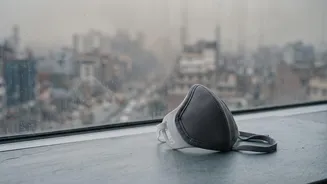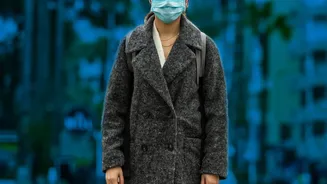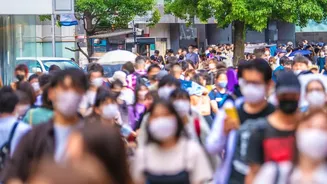






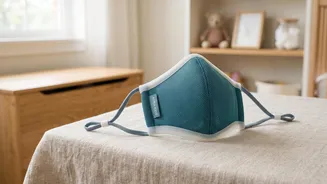

As pollution levels rise, protecting your child is a top priority, especially if they have asthma. But is a mask the right answer? This guide helps you navigate the choices, balancing protection with the specific needs of an asthmatic child.
Why Children with Asthma Are More Vulnerable
Air pollution
is a known trigger for asthma. Children are particularly susceptible for several reasons: their lungs are still developing, they breathe more rapidly than adults, and they often breathe through their mouths, bypassing the natural filtering mechanism of the nose. This means they inhale a higher concentration of pollutants like PM2.5—tiny particles that can penetrate deep into the lungs, causing irritation, inflammation, and triggering asthma attacks. For a child whose airways are already sensitive, high pollution days can lead to increased coughing, wheezing, and breathing difficulties.
The Role of Masks: Protection vs. Risk
The primary benefit of a high-filtration mask is its ability to reduce exposure to harmful PM2.5 particles. For a child with asthma, this can mean fewer flare-ups triggered by poor air quality. However, the decision isn't always straightforward. Some children with asthma, particularly those with moderate to severe symptoms, may find wearing a tight-fitting mask makes breathing feel more difficult. Studies have shown that while masks are generally safe, they can cause a feeling of breathing impairment for some adolescents with asthma. Therefore, the goal is to find a balance where the protective benefits of filtration outweigh any discomfort or breathing resistance the mask might cause.
Choosing the Right Mask: A Parent's Checklist
Not all masks offer the same protection. When choosing one for a child with asthma, focus on filtration and fit over fancy designs. Forget basic cloth or surgical masks, as they do not filter out the fine PM2.5 particles that are most harmful. Look for a certified N95, KN95, or FFP2 respirator specifically designed for children. Key features to check for include: a proper child-specific size for a snug seal, adjustable straps for comfort, and a soft nose clip to prevent leaks around the bridge of the nose. A good fit is crucial; a high-rated mask with gaps is as ineffective as wearing no mask at all. Avoid masks with exhalation valves, as they do not filter the air the wearer breathes out and often fit poorly on small faces.
When to Wear a Mask and When to Stay Indoors
A mask should be seen as one part of a larger strategy, not a free pass to play outside during heavy smog. The most effective way to protect your child is to limit their exposure in the first place. Always check the daily Air Quality Index (AQI). On days when the AQI is high (generally over 100 for sensitive groups), it's best to keep children indoors as much as possible, with windows closed and an air purifier running if available. Reserve mask use for unavoidable outdoor trips, like the commute to school. If a child with asthma finds wearing a mask too uncomfortable, it is better to prioritise staying indoors over forcing them to wear one.
Beyond the Mask: A Holistic Approach
Managing your child's asthma during pollution season requires a comprehensive plan. Ensure they are taking their controller medications as prescribed by their doctor to keep their asthma wellcontrolled. This can make them better able to tolerate a mask if needed. Always have their rescue inhaler readily available. At home, use air purifiers with HEPA filters, especially in the child's bedroom, to improve indoor air quality. Finally, maintain open communication with your child's doctor. Discuss their specific situation and create an asthma action plan that accounts for high pollution days.