

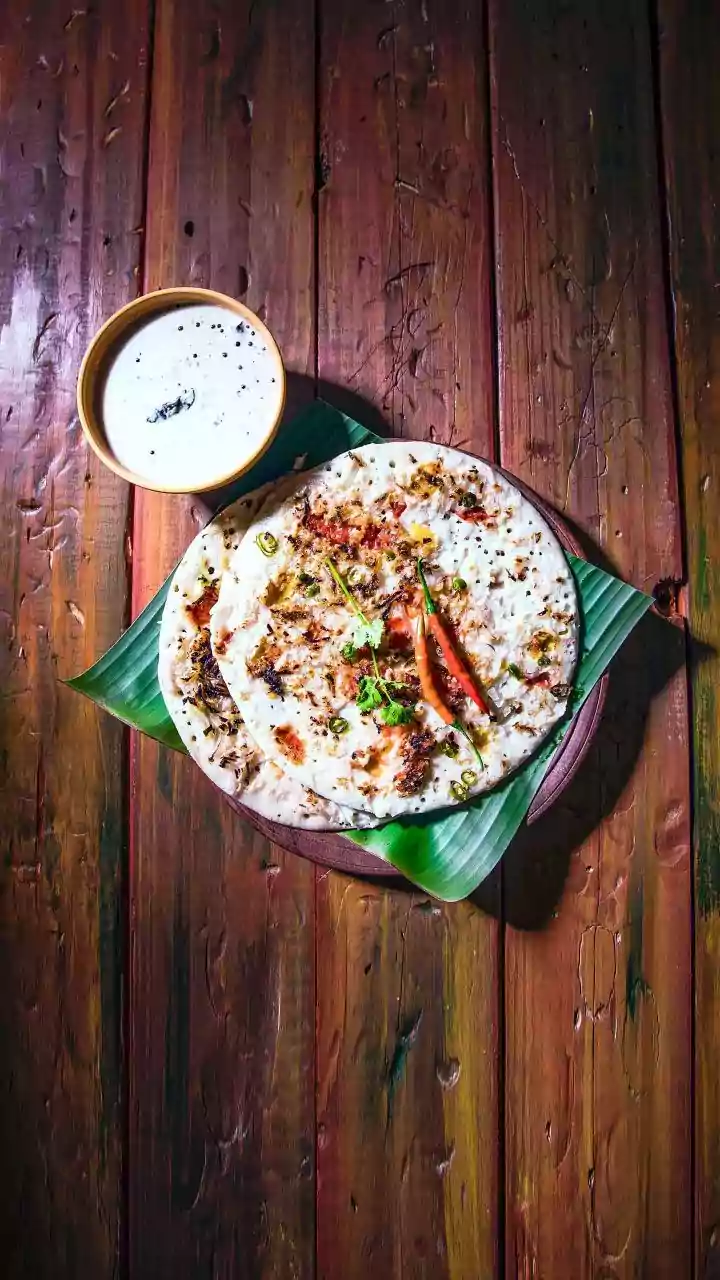
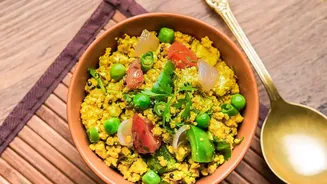

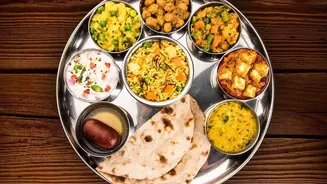
1. Buckwheat Flour Dosa (Kuttu ka Dosa)
Move over, potatoes and puris. The Kuttu ka Dosa offers a fantastic, gluten-free alternative that brings a South Indian favourite to the vrat table. Made from buckwheat flour (kuttu ka atta), the batter creates a crisp, savoury crepe that is surprisingly
easy to make. This dosa has a unique, slightly nutty flavour that pairs beautifully with a simple filling of spiced mashed potatoes. Unlike heavier fried options, a well-made kuttu dosa feels light yet satisfying, providing a balanced start to your day. Serve it hot with a side of vrat-friendly coconut or mint chutney for a complete and flavourful breakfast experience that breaks the mould. It’s a perfect way to get the satisfying crunch and comfort of a dosa while adhering to fasting guidelines.
2. Barnyard Millet Idli (Vrat ki Idli)
For those who prefer a soft, steamed breakfast, Vrat ki Idli is a game-changer. These fluffy cakes are made using barnyard millet (samak ke chawal or sama rice), a common grain substitute during fasts. The process is similar to making traditional rice idlis; the millet is used to create a batter that is then steamed to perfection. The result is a light, spongy, and easily digestible breakfast that won't leave you feeling sluggish. These idlis are subtly flavoured on their own, making them an ideal vehicle for a tangy fasting-friendly sambar or a simple peanut chutney. They provide sustained energy and are a wonderfully wholesome way to incorporate a different texture into your vrat diet.
3. Savoury Amaranth Pancakes (Rajgira Thalipeeth)
Originating from Maharashtra, Thalipeeth is a savoury multi-grain pancake that can be easily adapted for fasting. The vrat-friendly version uses amaranth flour (rajgira atta) mixed with mashed potatoes, roasted peanut powder, and mild spices like green chillies and cumin. This dough is patted into a flat disc and cooked on a tawa with a bit of ghee until it's golden brown and crisp on the outside. Rajgira is known for being high in protein, making this a particularly nourishing option. The combination of the earthy flour, crunchy peanuts, and soft potatoes creates a delightful mix of textures and flavours. It’s a hearty and rustic breakfast that pairs wonderfully with plain curd.
4. Energising Banana and Walnut Lassi
Sometimes the best breakfast is one you can drink. A Banana Walnut Lassi is a quick, no-cook option that is both filling and incredibly nutritious. This power-packed smoothie combines the natural sweetness and carbohydrates of bananas with the healthy fats and protein from walnuts. Blended with thick yoghurt (dahi) and a touch of honey or jaggery for sweetness, it becomes a creamy, indulgent-tasting beverage. You can also add a handful of other nuts and seeds like almonds or chia seeds for an extra boost. This lassi provides instant and sustained energy, making it perfect for those mornings when you need a quick but substantial start before a long day of fasting.
5. Spiced Sweet Potato Chaat (Shakarkandi ki Chaat)
Sweet potato, or shakarkandi, is a fasting staple, but it doesn't have to be boring. Transforming it into a warm chaat makes for a vibrant and tangy breakfast. Simply boil or roast cubes of sweet potato until tender and toss them with classic chaat ingredients that are permissible during a vrat. This includes rock salt (sendha namak), roasted cumin powder, black pepper, and a generous squeeze of lemon juice. For added crunch and flavour, you can mix in roasted peanuts. This dish is the perfect balance of sweet, savoury, and tangy. It's rich in fibre and complex carbohydrates, ensuring you stay full and satisfied for hours. It's a simple, flavour-packed dish that feels like a treat.