




Beyond the Basic Glass of Milk
The transformation underway in the Indian dairy market is a fundamental shift from a commodity-based industry to a consumer-branded powerhouse. The conversation is no longer just about collecting and selling liquid milk, but about extracting maximum value
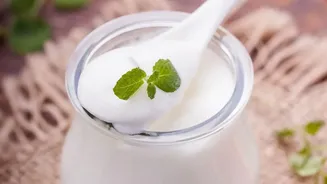
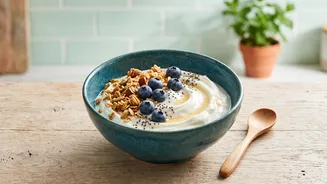
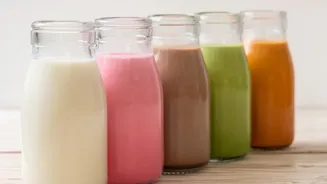
from it through innovation. This has given rise to a booming segment of 'value-added' dairy products—items that are processed or enhanced to offer more than basic nutrition. We're talking about milk fortified with essential vitamins like A and D, a move strongly supported by the Food Safety and Standards Authority of India (FSSAI) to combat micronutrient deficiencies. This category also includes functional foods designed for specific health benefits, like probiotic yogurts for gut health, protein-enriched paneer, and high-protein milkshakes aimed at fitness enthusiasts. This evolution signifies 'Dairy 2.0' for India, where the humble glass of milk is being reimagined for a new generation.
The Modern Consumer Is Driving Change
This nutrition-focused turn isn't happening in a vacuum; it's being driven by profound shifts in Indian society. Rapid urbanization means more consumers are living fast-paced lives and seeking convenient, ready-to-consume foods. Rising disposable incomes allow households, particularly in urban centres, to spend more on premium and branded products that promise better quality and hygiene. Furthermore, there is a growing 'protein consciousness' and a general increase in health awareness across the country. Consumers are now actively looking for products that are low-fat, high-protein, or offer specific benefits like improved immunity or digestive health. This demand is being met and amplified by the explosion of quick-commerce platforms, which make specialized products like Greek yogurt and artisanal cheese accessible to a wider urban audience within minutes.
How Industry Giants Are Responding
India's dairy behemoths are leading the charge. Amul, which was recently named the world's strongest dairy brand, is aggressively expanding its portfolio beyond its iconic butter and milk. The cooperative has launched a vast array of new products, including high-protein paneer and milkshakes, probiotic buttermilk, and even lactose-free options to cater to specific dietary needs. Mother Dairy is also heavily invested, planning to introduce over 30 new products, with a focus on high-protein variants of curd and paneer. The contribution of such value-added products to its revenue has grown significantly. Other major players like Britannia and Heritage Foods are also innovating, launching everything from Greek yogurt and dairy beverages to high-aroma ghee and probiotic lassi. This competitive shift is turning the dairy aisle into a hub of innovation.
Roadblocks and Opportunities Ahead
Despite the momentum, challenges remain. The Indian dairy supply chain, while vast, faces infrastructure gaps. Expanding the cold chain—a network of refrigerated storage and transport—is crucial for ensuring that perishable value-added products can reach consumers across the country in fresh condition. Affordability is another key factor; while urban consumers may pay a premium, a large portion of the market remains highly price-sensitive. Moreover, ensuring consistent quality from farm to fridge is an ongoing effort, with companies increasingly using technology for milk quality monitoring and traceability. However, the opportunity is immense. The fortified dairy products market in India was valued at USD 6.2 Billion in 2025 and is projected to grow substantially. As companies continue to innovate and strengthen their supply chains, the nutrition-focused dairy segment is poised to become a cornerstone of the industry's future growth.