






The Humidity Problem
During the rainy season, the air outside is often saturated with moisture. When you keep your home sealed, everyday activities like cooking, showering, and even breathing increase the indoor humidity. This trapped moisture creates a stuffy, uncomfortable
environment and becomes a perfect breeding ground for mould, mildew, and dust mites. These can damage walls and furniture, and more importantly, trigger allergies and respiratory issues. The ideal indoor humidity level is between 40% and 60%; anything higher for extended periods can become a problem. Therefore, managing ventilation is not just about comfort—it's about maintaining a healthy living space.
When You Should Open Windows
It might seem counterintuitive, but there are strategic times when opening your windows during rainy weather is beneficial. The key is to do it when the outdoor air is actually drier or fresher than the air inside. A prime opportunity is during a light drizzle or right after a downpour has stopped. Rain can act as a natural air purifier, washing away dust and pollen, which means the air entering your home is often cleaner. Opening windows for short, ten-to-fifteen-minute bursts is highly effective. This practice, sometimes called 'shock ventilation', rapidly replaces stale indoor air without allowing walls and furniture to absorb moisture. Morning hours or brief dry spells between showers are also excellent times to let in some fresh air.
Harness the Power of Cross-Ventilation
One of the most effective ways to ventilate your home is by creating a cross-breeze. This involves opening windows or doors on opposite sides of your home or room. This creates a current that pushes the humid, stale air out and pulls fresher, drier air in. You don't need to open them wide; even a small gap can create enough airflow to make a significant difference. A gentle cross-breeze efficiently flushes out moisture and odours, helping to cool the space and prevent the buildup that leads to mould. This simple technique is a powerful tool for maintaining good indoor air quality throughout the monsoon season.
When to Keep Them Firmly Shut
Knowing when not to open your windows is just as important. During a heavy downpour, especially if it's accompanied by strong winds, it's best to keep everything closed to prevent water from getting inside. More importantly, avoid opening windows when the outdoor humidity is extremely high and the air feels thick and heavy. If the air outside is more humid than the air inside, opening the windows will only make your indoor environment stickier and more prone to moisture-related problems. In these situations, letting in outside air will work against your goal of drying out your home.
Smart Alternatives for Air Circulation
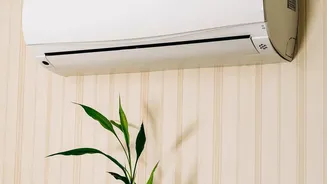
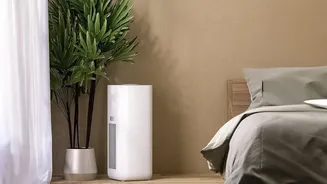
When opening windows isn't an option, you can still improve air quality and control humidity. Use exhaust fans in your kitchen while cooking and in your bathroom after a shower to expel moist air directly outside. Ceiling fans can also help circulate air within a room, preventing it from becoming stagnant. For homes in particularly humid areas, a dehumidifier is an excellent investment. It actively pulls moisture from the air, helping to maintain that ideal 40-60% humidity level and making the space feel much more comfortable. Even running your air conditioner can help, as it naturally dehumidifies the air as it cools.