





The Unseen Impact of Extra Calories
Pet obesity is a significant issue, with studies showing a large percentage of pets in India are overweight. This isn't just a cosmetic problem. Excess weight is a major risk factor for a range of diseases, including diabetes, heart disease, arthritis,
and even certain types of cancer. The strain of extra weight on a pet's joints can lead to painful mobility issues, reducing their ability to run and play. Ultimately, carrying extra weight can shorten a pet's lifespan, taking away precious years with our beloved companions.
The Veterinarian's Golden Rule: 10 Percent
To keep things simple, many veterinarians recommend the "10% rule." This guideline states that treats should make up no more than 10% of your pet's total daily caloric intake. This isn't about the number of treats, but the total calories they contain. The remaining 90% of their calories should come from a complete and balanced diet to ensure they receive all the essential nutrients they need. Sticking to this rule helps prevent treats from unbalancing their diet and contributing to weight gain.
Calculating Your Pet's Calorie Budget
So, how do you figure out your pet's daily calorie needs? While a veterinarian can give you the most accurate number, you can get a rough estimate. A typical 10-pound cat needs around 200 calories per day, while a 20-pound dog needs about 366 calories. Of course, this varies widely based on age, breed, and activity level. Once you have a daily calorie target, calculating 10% for treats is simple. For example, a dog on a 600-calorie diet can have up to 60 calories from treats. Many treat packages now list calorie information, making it easier to track.
Smart and Healthy Treat Swaps
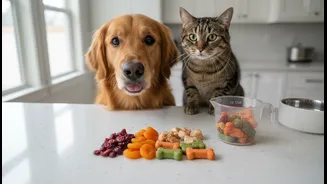
The good news is that you don't have to stop giving treats altogether. Making smarter choices can make a huge difference. Many human foods are safe and low-calorie options. Crunchy vegetables like carrot sticks and green beans are excellent choices that many dogs love. Other healthy alternatives include small pieces of apple (without seeds), blueberries, and cucumber slices. For a protein-packed reward, small pieces of plain, boiled chicken are a great option. Even air-popped popcorn without salt or butter can be a fun, low-calorie snack.
More Than Food: Rewarding with Affection
Sometimes, we give treats out of habit or because we interpret boredom as hunger. Remember that your pet craves your attention just as much as a snack. Instead of reaching for the treat jar, consider a different kind of reward. A vigorous play session with a favourite toy, a long cuddle on the sofa, a good brushing, or simply some enthusiastic praise can be just as effective at showing your love. These non-food rewards strengthen your bond without adding a single calorie, contributing to a healthier and happier life for your companion.