



An Erratic and Deficient Season
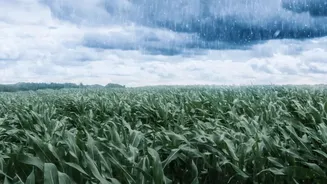
The 2026 monsoon season has been inconsistent, marked by a strengthening El Niño phenomenon that typically suppresses rainfall over India. As of mid-September, the country faced a cumulative rainfall deficit of around 15%, positioning it as potentially
the driest monsoon in over a decade. While some final showers are expected across parts of northwest and central India before the withdrawal begins around September 19th, it is unlikely to erase the significant shortfalls in key agricultural states. The India Meteorological Department (IMD) has noted that this season was characterized by prolonged dry spells followed by intense downpours, an erratic pattern that stresses farming systems even when total rainfall figures appear moderate.
Why This Final Spell Is Crucial
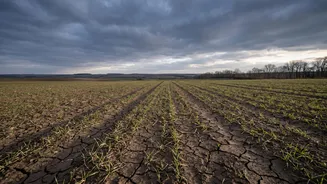
September rain is vital for the upcoming Rabi (winter) crop season, which includes staples like wheat, chickpeas (chana), and mustard. These crops are typically sown from October onwards, after the monsoon has withdrawn. The success of this sowing period depends heavily on the amount of moisture the monsoon leaves behind in the soil. Adequate September rainfall ensures that the soil has enough moisture for seeds to germinate and for young plants to establish themselves before the drier winter months set in. Without this crucial moisture, farmers may be forced to delay planting or reduce the area they sow, directly impacting future harvests.
The Reservoir Connection
Beyond soil moisture, the departing monsoon's other great gift is replenishing India's reservoirs. These reservoirs are the primary source of irrigation for Rabi crops, acting as a critical buffer against dry weather. However, the deficient monsoon has left water storage levels in a precarious position. Nationally, water levels in major reservoirs were below the ten-year average as of early September. The situation is particularly concerning in the southern and northern regions, which are facing sharp deficits compared to normal. While the western and central regions have seen some recovery, the overall picture points to reduced water availability for irrigation, which could hamper crop growth and yields throughout the Rabi season.
Crops on the Watchlist
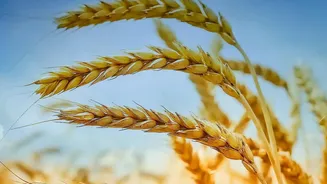
The primary crops at risk are wheat, the country's main winter cereal, as well as pulses like lentils and chickpeas, and oilseeds like mustard and rapeseed. Poor soil moisture can lead to a direct reduction in the acreage dedicated to these crops as farmers switch to less water-intensive alternatives or leave fields fallow. Even if sowing proceeds, insufficient water from reservoirs can lead to lower yields, meaning less produce per hectare. Several states facing significant rainfall deficits, including Punjab, Haryana, Rajasthan, Karnataka, and parts of Madhya Pradesh, are major producers of these Rabi crops, amplifying the potential impact on national food supply.
The Ripple Effect on Your Wallet
The link between farm output and household expenses is direct. A shortfall in the production of essential Rabi crops can tighten supply in the months following the harvest (typically March-April). This supply-demand imbalance often leads to a rise in food prices. Economists note that a deficient monsoon has a measurable impact on food inflation; one estimate suggests every one percentage point shortfall in rain can increase food inflation by about 0.25 percentage points. With food inflation already a concern, a weak Rabi season could add further pressure on the prices of staples like flour, pulses, and edible oils, impacting household budgets across the country.