







What Exactly Is a Terrace Forest?
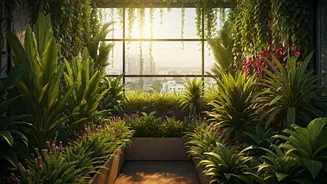
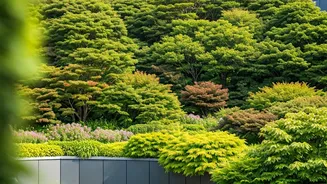
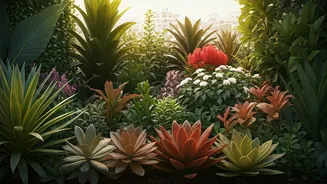
A terrace forest is more than just a garden. It's a micro-ecosystem, often inspired by principles like the Miyawaki method, which focuses on creating dense, multi-layered green cover. [4, 6] Instead of single potted plants, this approach involves layering
different types of native species—from canopy trees and shrubs to herbs and ground cover—in large containers or raised beds. [4] The goal is to mimic a natural forest structure, creating a self-sustaining system that supports biodiversity. [4] This method allows for a greater variety and density of plants, transforming an empty, concrete space into a vibrant habitat teeming with life. [12]
The Benefits: More Than a Pretty View
The appeal of a terrace forest goes far beyond aesthetics. For starters, it acts as a natural air conditioner, with the dense foliage helping to reduce indoor temperatures and cutting down on energy bills. [4, 19, 23] These green spaces also act as natural air purifiers, improving overall air quality in polluted urban environments. [4] Homeowners can enjoy the convenience of safe, pesticide-free produce picked fresh from their roof. [19] Beyond these practical perks, terrace forests have a significant impact on well-being, reducing stress and providing a much-needed connection to nature. [22, 24] They also become havens for urban wildlife, attracting birds, butterflies, and bees, which are crucial for pollination. [4, 8]
The Trend Takes Root in Urban India
In densely populated Indian cities like Mumbai, Delhi, and Bengaluru, where green space is scarce, the terrace forest concept is gaining significant traction. [13, 17] Individuals are transforming their unused rooftops into thriving ecosystems. For example, a 23-year-old conservationist in Delhi turned his terrace into an urban forest with over 500 plants, attracting more than 100 bird species. [8, 12] In Bengaluru, a mechanical engineer recreated the feel of the Western Ghats on his 600-square-foot terrace, which now grows over 100 varieties of plants and significantly improves the local air quality. [11] These examples show a powerful shift, where terraces are no longer just for water tanks and drying clothes but are becoming vital green lungs for the city. [4]
How to Start Your Own Green Sanctuary
Creating your own terrace forest requires planning, but it's an achievable goal. The first and most critical step is to assess your terrace's structural load-bearing capacity, preferably with a structural engineer, as a wet forest is heavy. [4, 9] Waterproofing is another non-negotiable to prevent leaks. [9, 20] Start with lightweight materials like fabric grow bags instead of heavy concrete pots. [9] The soil mix is also key; a blend of coco peat, compost, and perlite is much lighter than regular garden soil. [21] Choose native plants that are adapted to your local climate, as they require less water and maintenance while supporting local pollinators. [4] Finally, think vertically by using trellises and layering plants to maximize your space. [9]
Challenges and Considerations
While rewarding, building a terrace forest comes with challenges. Ensuring proper drainage is crucial to avoid waterlogging and structural damage. [4, 20] All containers should be elevated to allow water to run off and prevent dampness on the terrace floor. [9] Strong winds, especially on high-rise buildings, can damage tall plants, so planning for windbreaks might be necessary. [9, 21] A terrace forest is also a commitment; it requires regular observation, pruning, and mulching to thrive. [4] However, for those willing to put in the effort, the reward is a personal oasis that makes a positive environmental impact.