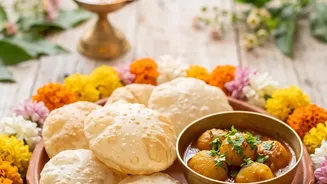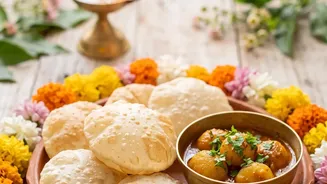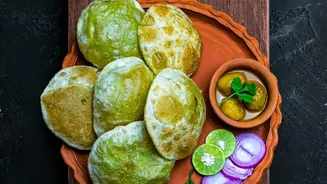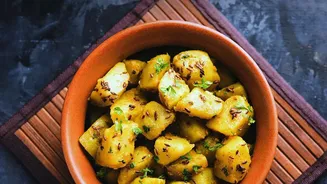



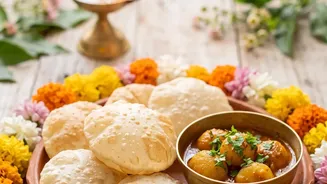
The comforting aroma of a perfectly spiced aloo sabzi is a cornerstone of Indian home cooking. The secret to that nostalgic flavour isn't a long list of exotic spices, but a simple, powerful combination of just two: asafoetida and cumin.
The Art of the Tadka
At the heart of
countless Indian dishes is a technique called 'tadka' or tempering. This foundational step involves blooming whole or ground spices in hot oil or ghee to unlock their essential oils and aromatic compounds. Dropping spices into hot fat does more than just cook them; it fundamentally transforms them. The heat ruptures the spices' cell walls, allowing their fat-soluble flavours to dissolve into the oil. This infused oil then becomes a flavour-delivery system, distributing the deep, nuanced taste of the spices throughout the entire dish in a way that simply stirring them into water or sauce cannot achieve. For a classic potato sabzi, the tadka is where the magic begins, and it almost always starts with cumin and asafoetida.
Asafoetida: The Pungent Powerhouse
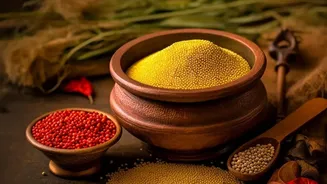
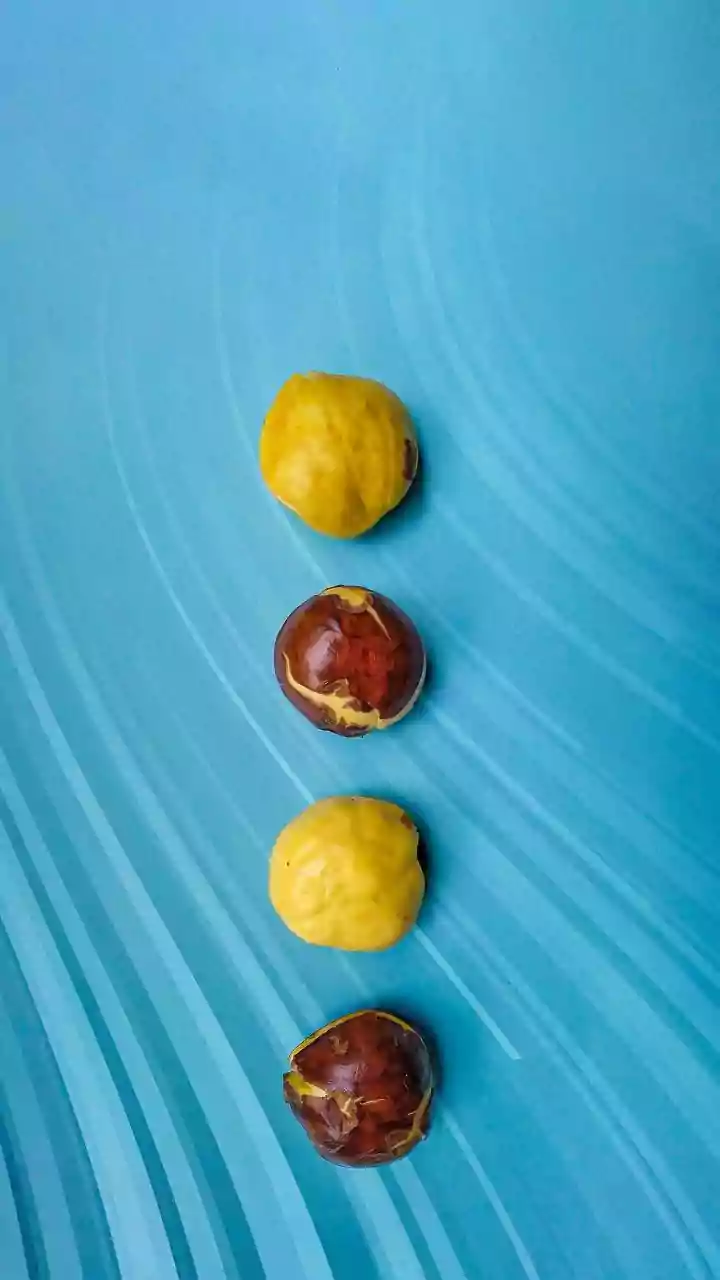
Asafoetida, known as 'hing' in Hindi, is a dried plant resin with a notoriously strong, sulfurous smell in its raw form—earning it nicknames like 'devil's dung'. However, this intimidating aroma undergoes a complete transformation when it hits hot oil. Within seconds, the pungency mellows into a warm, savoury flavour reminiscent of cooked onions and garlic. This makes it an indispensable ingredient, especially in vegetarian and Jain cooking, where it provides a rich, umami depth without the use of alliums. A tiny pinch is all that is needed. Its role is not just to add its own flavour, but to enhance and round out all the other spices in the dish, creating a fuller, more complex taste profile. It is also traditionally valued for its digestive properties.
Cumin: The Earthy Foundation
Cumin, or 'jeera', is the other half of this dynamic duo. Its warm, nutty, and slightly peppery flavour is a signature of North Indian cuisine. Like asafoetida, cumin's true potential is unlocked through blooming. When whole cumin seeds are added to hot oil, they sizzle and pop, releasing their aromatic oils and developing a toasted, nutty depth. This process needs to be quick—just a few seconds until they darken slightly—as burnt cumin seeds will turn a dish bitter. Once bloomed, the cumin-infused oil provides an earthy, robust base that is the perfect canvas for starchy vegetables like potatoes.
The Perfect Partnership on Potatoes
The combination of hing and jeera is a classic for a reason. The savoury, garlic-like notes of the cooked asafoetida perfectly complement the earthy warmth of the toasted cumin. Together, they create a flavour base that is greater than the sum of its parts. When potatoes are added to this aromatic oil, their mild, starchy nature acts like a sponge. As the potatoes simmer, they absorb the deeply savoury and earthy flavours from the infused oil. This technique ensures the flavour isn't just a coating on the outside of the potato cubes, but something that permeates them entirely. Whether it's a dry 'sukha' sabzi or a more gravy-based curry, this initial step of simmering the potatoes with the bloomed asafoetida and cumin is what builds that authentic, comforting sabzi flavour from the inside out.