





The Dawn of 'Hydrogen for Heritage'
Indian Railways has embarked on an ambitious initiative named 'Hydrogen for Heritage', which aims to retrofit diesel-powered trains on its iconic heritage routes with hydrogen fuel cell systems. This project represents a powerful synergy between preserving
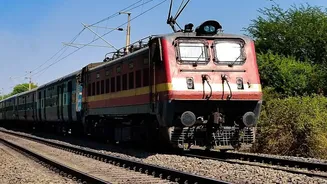
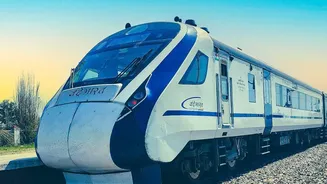
the past and pioneering the future. The plan involves introducing 35 hydrogen train sets across eight historic lines, including the famous Darjeeling Himalayan Railway, Nilgiri Mountain Railway, and the Kalka-Shimla Railway. These routes, often traversing ecologically sensitive and picturesque landscapes, are ideal candidates for this clean technology, as installing traditional overhead electric lines could disrupt their natural beauty and heritage status. The first prototype, developed by retrofitting a diesel electric multiple unit (DEMU), began trials on the Jind-Sonipat section of the Northern Railway, marking a significant step in India's journey towards sustainable mobility.
How Do These Green Trains Work?
Unlike conventional diesel or electric trains, hydrogen trains are essentially mobile power plants. They use a fuel cell to generate electricity through a chemical reaction between hydrogen and oxygen from the air. This process, which takes place in a Proton Exchange Membrane (PEM) fuel cell, creates electricity to power the train's motors. The only by-products are heat and water vapour, making them a true zero-emission alternative at the point of use. This technology completely eliminates the release of harmful pollutants like carbon dioxide, nitrogen oxides, and particulate matter that are characteristic of diesel engines, leading to significantly cleaner air in the regions they operate. It's a quiet revolution in motion, replacing the roar of a diesel engine with the gentle hum of a fuel cell.
Marrying Modern Tech with Timeless Journeys
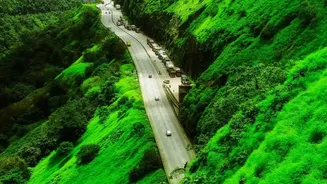
The selection of heritage routes is a deliberate and strategic choice. Lines like the Kalka-Shimla Railway, a UNESCO World Heritage site, are not just transportation links but cultural treasures. For decades, these 'toy trains' have chugged along mountainous terrain, offering breathtaking views. By converting them to run on hydrogen, Indian Railways aims to protect their fragile ecosystems from pollution while enhancing the tourist experience. The Himachal Pradesh government has been a vocal proponent of this, seeing it as a key part of its goal to become a 'Green Energy State' by 2026. This initiative ensures that these historic journeys can be enjoyed by future generations without compromising the environment that makes them so special.
The Bigger Picture: Benefits and Hurdles
The 'Hydrogen for Heritage' project is a showcase for India's broader green ambitions under the National Green Hydrogen Mission. The primary benefit is the significant reduction in carbon emissions and reliance on imported diesel. However, the path forward is not without challenges. The initial cost is substantial, with each train estimated to cost around ₹80 crore and ground infrastructure requiring an additional ₹70 crore per route. Furthermore, the production of 'green' hydrogen—which uses renewable energy for electrolysis—is still more expensive than conventional fuels. Safety is another critical aspect, as hydrogen is highly flammable and requires robust storage and handling infrastructure. Despite these hurdles, costs are falling, with India recently achieving a record-low price for green hydrogen, making the long-term vision more attainable.