




Choose Your Winter Wildlife Destination
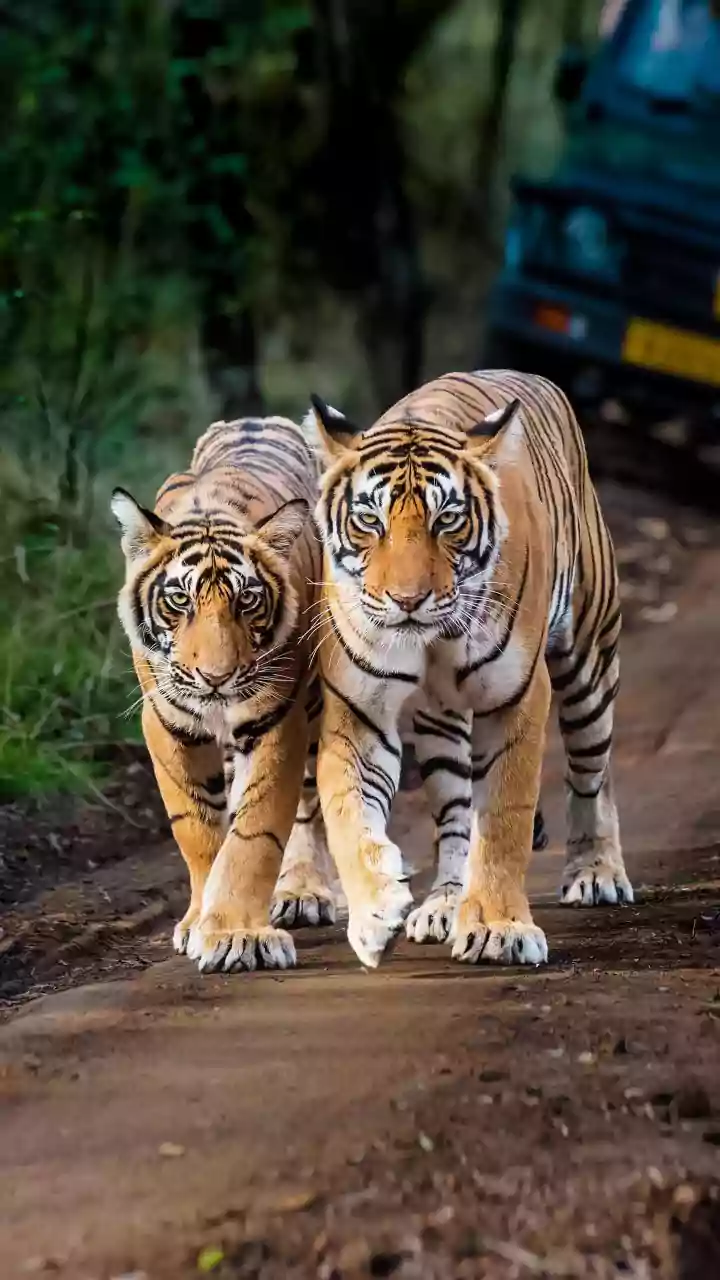
The first step is deciding what you want to see. India's diverse ecosystems offer varied experiences. For a high chance of spotting tigers against a historic backdrop, Ranthambore in Rajasthan is a classic choice. If the magnificent one-horned rhinoceros
is on your list, Kaziranga National Park in Assam is the prime destination, especially as grasslands open up after the monsoon. For a mix of tigers, leopards, and the landscape that inspired 'The Jungle Book', consider Pench or Kanha in Madhya Pradesh. Birdwatchers should look towards Keoladeo National Park in Bharatpur, which becomes a haven for migratory birds during winter. For a short trip, consider parks that are relatively easy to access from major cities, like Jim Corbett in Uttarakhand or Ranthambore.
Mastering the Art of Booking
Popular national parks require advance planning. Safari permits, especially for sought-after zones in parks like Ranthambore and Bandhavgarh, can sell out months in advance. Most parks offer online booking through their official government portals, which is the most affordable option. However, this can be a complex process involving creating accounts, uploading ID proofs, and navigating payment gateways that might be slow. An alternative is to book through your hotel or a reputable tour operator. While this might involve a service charge, it saves you the hassle and they can often help in securing permits, vehicles, and experienced guides. Remember to book your accommodation at the same time, whether it's a forest rest house for a rustic experience or a comfortable private lodge nearby.
Essential Packing for a Winter Safari
Winter mornings on an open safari jeep can be surprisingly cold, especially in northern and central India where temperatures can drop significantly. The key is to dress in layers. Pack thermal wear, a fleece jacket, and a warm outer jacket, along with a woollen cap, scarf, and gloves. As the day warms up, you can shed layers for comfort. Opt for neutral, earth-toned clothing like khaki, beige, and olive green to blend in with the natural surroundings; avoid bright colours which can startle animals. Comfortable, closed-toe walking shoes are a must. Other essentials include sunscreen, sunglasses, a hat for sun protection, and a dust-proof bag or scarf to protect yourself and your camera equipment from dust.
On the Ground: Safari Etiquette and Best Practices
To make the most of your expedition, responsible tourism is key. Always listen to your guide and driver; they are professionals who understand animal behaviour and park rules. Maintain silence or speak in very soft whispers to avoid disturbing the wildlife and to increase your chances of a good sighting. Never get out of the safari vehicle unless you are at a designated safe spot. Feeding or provoking animals is strictly prohibited and dangerous. Patience is paramount. A safari is not a zoo; sightings are a matter of chance. Instead of focusing solely on spotting a tiger, enjoy the entire forest experience—the birds, the deer, the landscape, and the thrill of the search itself.