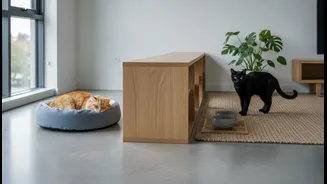










Step 1: Create a Safe Haven
Before your new cat arrives, prepare a separate, dedicated room for them. This “safe haven” should be a space your resident cat doesn't frequent often, like a spare bedroom or office. Equip it with everything the new cat needs: a litter box, food and
water bowls, a comfortable bed, hiding spots like a cardboard box, and a few toys. This separation is not punishment; it's a crucial decompression zone. It allows the newcomer to adjust to the new environment's sounds and smells without the immediate stress of a face-to-face encounter with your resident cat. Keep the door closed for the first few days, allowing your new cat to settle in and feel secure.
Step 2: The Power of Scent Swapping
Cats communicate heavily through scent. Your first introduction should be through their noses, not their eyes. After a day or two, start swapping scents. Take a blanket or soft towel the resident cat has slept on and place it in the new cat's room. Do the same for your new cat, giving their scented item to your resident cat. Place a few high-value treats on the scented blankets to create a positive association: smelling this new animal predicts a delicious snack. This simple act lets them investigate each other's presence in a non-threatening way, gathering information long before they ever meet. Repeat this daily.
Step 3: Site Swapping and Feeding Rituals
Once the cats seem calm about the scented items, you can escalate the scent exposure. Secure your resident cat in the new cat's room (with some treats to keep them happy) and allow the new cat to explore the main part of the house for a short, supervised period. This helps them get used to the other's scent being everywhere. During this phase, begin feeding both cats on opposite sides of the closed door to the safe room. The goal is for them to associate the sound and smell of the other cat with the pleasure of a meal. Start with bowls far from the door and, over several days, gradually move them closer as their comfort allows.
Step 4: The First Glimpse
When both cats are eating calmly near the door, it’s time for the first visual introduction. This must be controlled and brief. Use two stacked baby gates, a screen door, or crack the main door just enough for them to see but not touch each other. Make these first visual meetings all about positivity. Engage them with interactive wand toys or offer their absolute favourite treats on their respective sides of the barrier. Keep the sessions very short—just a minute or two to start—and always end on a positive note, preferably before either cat shows signs of stress. Hissing is a normal warning signal; if you hear it, calmly create more distance and try again later with a shorter session.
Step 5: Supervised Time Together
After many successful, calm visual sessions, you can try a face-to-face meeting. This should happen in a neutral, open space (not a small hallway). Remove the barrier but stay present and vigilant. Keep the initial interactions short and sweet. Have two people present if possible, each armed with toys and treats to engage one cat. This distracts them and continues to build the association that being together means good things happen. Watch their body language closely. Relaxed, curious cats are a great sign. Tense bodies, flattened ears, or growling means it's time to calmly end the session. Never let them “fight it out,” as this can set a negative tone for their entire relationship.
Reading the Signs and Being Patient
Understanding cat body language is your best tool. A happy, relaxed cat will have a loose posture, their tail held high, and may even offer a slow blink, which is a sign of trust. A fearful or agitated cat will have dilated pupils, flattened ears, a twitching tail, and may hiss or growl. Let their behaviour guide your pace. If they show signs of stress, take a step back to the previous stage where they were both comfortable. This process is a marathon, not a sprint. It can take weeks or even months for some cats to build a bond. Your patience is the most important ingredient for success.