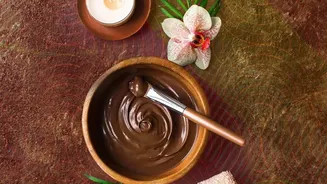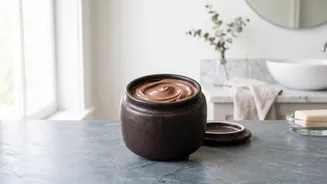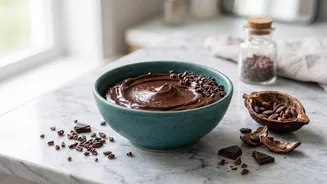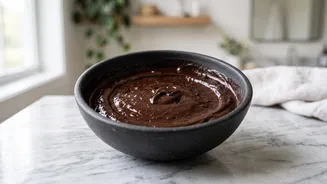




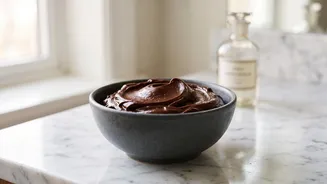
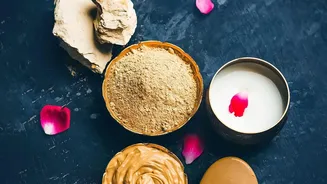
The decadent allure of a chocolate face mask is undeniable. It’s a spa-like treat that promises to nourish your skin with antioxidants. But beyond the luxurious scent and feel, do these masks deliver real benefits or are they just a sweet gimmick?
The Sweet Promise on Your Skin
The
trend of using chocolate or cocoa powder in skincare isn't new, with roots in ancient Mesoamerican cultures. Today, it’s a staple in spas and DIY beauty recipes, celebrated for its supposed ability to rejuvenate the skin. The primary claim revolves around antioxidants. Cocoa is packed with compounds called flavonoids and polyphenols, which are known to fight free radicals—unstable molecules that damage cells and accelerate aging. The logic seems simple: applying these antioxidants directly to the face should protect the skin from environmental stressors like pollution and UV rays, leaving it glowing and youthful. Many masks also contain cocoa butter, a rich emollient that can hydrate and soften the skin. The combination of a luxurious experience and promising ingredients makes for a compelling wellness narrative.
Myth: A Miracle Mask for Your Face
While cocoa is indeed rich in antioxidants, the question is whether they can work their magic in a face mask. The skin is a formidable barrier designed to keep things out. For the flavonoids in cocoa to have a significant anti-aging effect, they need to penetrate the skin's outer layer, the stratum corneum. Some small studies suggest that antioxidants like catechin and epicatechin from cocoa powder can be detected in the skin's top layer after topical application. However, there is limited large-scale evidence to prove that a temporary face mask can deliver a high enough concentration to produce lasting anti-wrinkle or protective effects. A dermatologist notes that most evidence for these claims is anecdotal. Often, the immediate glow or softness people experience comes from other ingredients in the mask, like glycerin, honey, or the moisturizing properties of cocoa butter, rather than the antioxidant activity itself.
Reality: The Greatest Benefits Are Inside-Out
Here’s where the science gets exciting: the most profound skin benefits of cocoa come from eating it, not wearing it. Numerous studies show that consuming high-flavanol dark chocolate or cocoa can significantly improve skin health from within. These flavanols help improve blood flow to the skin, which delivers more oxygen and nutrients to the cells, leading to a healthier, more radiant complexion. Research has also demonstrated that regular consumption of flavanol-rich cocoa can offer photoprotection, making the skin more resilient to UV-induced redness and damage. One study found that women who consumed a high-flavanol cocoa drink for 12 weeks saw improvements in skin hydration and texture. Further studies have linked longterm cocoa flavanol intake to reduced wrinkle depth and improved skin elasticity. This internal approach allows the body to effectively utilize cocoa's powerful compounds.
Choosing Your Chocolate Wisely
Not all chocolate is created equal. To reap the skin benefits, you need to be selective. Whether you're eating it or making a mask, the key is high cocoa content and minimal processing. Look for dark chocolate with at least 70% cocoa. This ensures a higher concentration of beneficial flavanols and less sugar, which can actually counteract the benefits. Milk chocolate and white chocolate do not contain the same high levels of antioxidants. When choosing cocoa powder, natural (nonalkalized) cocoa retains more antioxidants than Dutchprocessed (alkalized) versions, which have been treated to reduce acidity. So, if you want to harness the true power of cocoa, a small daily portion of highquality dark chocolate is a more scientificallybacked strategy than a weekly face mask.