






A Necessary Pause for Nature
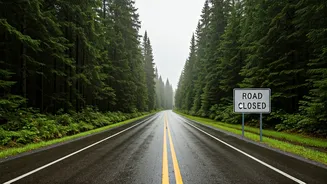
Every year, from around June or July to September, the core zones of most of India's premier national parks and tiger reserves shut their gates to tourists. Iconic destinations like Jim Corbett in Uttarakhand, Ranthambore in Rajasthan, and Bandhavgarh
and Kanha in Madhya Pradesh become off-limits. This widespread, coordinated closure is a deliberate and essential management practice. While it may disappoint travellers, this quiet period is one of the most important times of the year for the health of these vital ecosystems. It is a scientifically-backed decision to give the forests, and the animals within them, a much-needed respite from human activity. The pause allows nature to reset, ensuring these wild spaces remain vibrant and resilient for years to come.
A Sanctuary for New Life
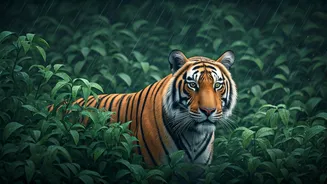
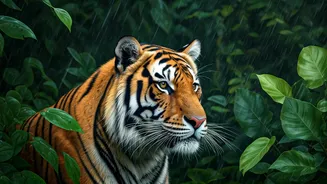
One of the primary drivers behind the monsoon shutdown is that it coincides with the breeding season for a vast number of species. The rainy months provide the perfect conditions for animals to mate and raise their young. For mammals like tigers, leopards, and elephants, the dense vegetation and reduced human presence offer a secure environment to give birth and nurture their offspring without stress. The noise of safari vehicles and the flash of cameras can be highly disruptive during this vulnerable period. By closing the parks, authorities ensure that the critical early stages of life for the next generation of wildlife can proceed undisturbed, which is fundamental to maintaining healthy and stable animal populations.
Letting the Land Heal
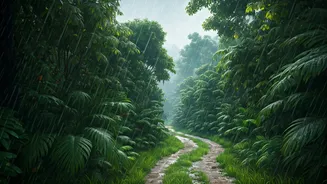
The monsoon is nature's great rejuvenator. The relentless rains replenish water bodies, and the parched earth soaks up the life-giving moisture, triggering a burst of growth. Ferns, grasses, and wildflowers carpet the forest floor, while the tree canopy becomes thick and lush. This explosion of plant life is the foundation of the entire food web, providing abundant food for herbivores, which in turn supports the carnivore population. Constant tourist traffic, however, can compact soil and damage trails, hindering this natural regeneration. The temporary closure allows the ecosystem to mend itself, repair vehicle tracks, and restore its delicate balance without interference. This ensures the habitat remains robust and productive for the rest of the year.
Safety for Humans and Animals
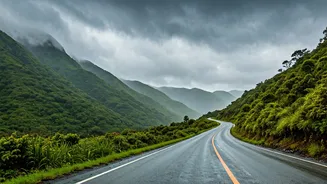
Beyond the ecological benefits, the closures are also a crucial safety measure for both people and wildlife. Heavy monsoon downpours can render the unpaved forest tracks treacherous and impassable. Roads get waterlogged, riverbeds flood, and the risk of landslides increases, particularly in hilly terrain like that found in Jim Corbett National Park. These conditions make safari operations extremely dangerous for tourists and park staff alike. Forcing vehicles through muddy tracks can also cause immense stress to animals. The closures prevent accidents and ensure that when the parks reopen, the infrastructure is safe and ready for visitors.
Not a Complete Shutdown
While the core areas are closed to tourists, the work inside the parks doesn't stop. Forest department staff remain vigilant, using this time to intensify anti-poaching patrols, conduct habitat management work, and carry out essential repairs to park infrastructure. Furthermore, many national parks keep their buffer zones open for tourism. For instance, certain zones in Ranthambore and Tadoba continue to offer safaris, providing a chance to see the forest in its spectacular monsoon glory. These buffer zone safaris offer a different, quieter experience, showcasing the lush, rain-washed landscapes and offering unique photographic opportunities, even if big animal sightings are less frequent due to the dense vegetation.