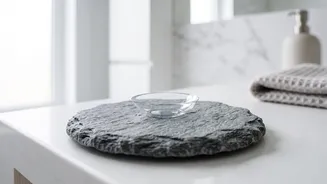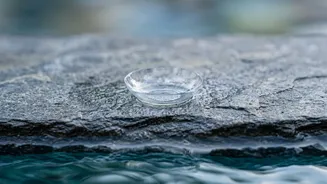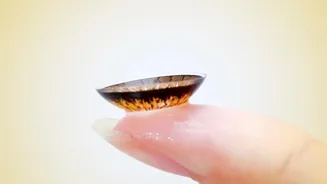




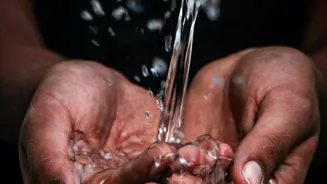


Contact lenses offer incredible freedom, but they come with one non-negotiable rule: keep them away from water. It may seem harmless to shower or swim with them in, but this simple mistake can expose your eyes to dangerous microorganisms.
The Hidden Danger in Every Drop
All water, including
tap water, swimming pools, oceans, lakes, and even hot tubs, contains countless microorganisms. Most are harmless, but one of the most serious threats to contact lens wearers is an amoeba called Acanthamoeba. This organism is commonly found in various water sources and can cause a severe, painful infection called Acanthamoeba keratitis. The infection attacks the cornea, the clear outer layer of your eye, and can be extremely difficult to treat, sometimes leading to a corneal transplant or even permanent vision loss.
Why Your Tap Water Is Not Safe
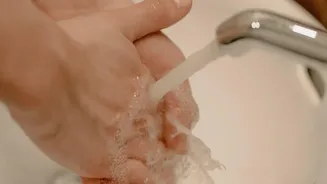
It might seem logical to rinse a dropped lens or a case under the tap, but even treated drinking water is not sterile. Tap water can contain Acanthamoeba and other bacteria that can get trapped behind your contact lens. A contact lens acts like a sponge, absorbing water and holding these germs directly against your cornea. This creates a perfect breeding ground for infection. Soft contact lenses can also swell, change shape, and stick to the eye when exposed to water, which can be uncomfortable and may scratch the cornea, making it even easier for germs to invade.
Showering, Swimming, and Hot Tubs
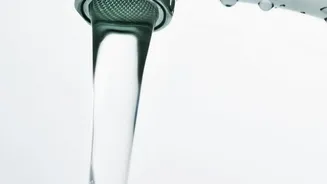
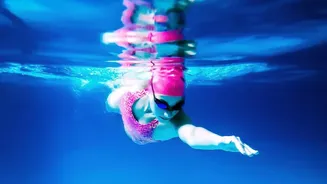
Showering with contact lenses in is one of the most common mistakes users make. A stream of water from the showerhead can easily introduce microbes into your eye. Similarly, swimming pools are not risk-free. While chlorine kills many germs, it doesn't eliminate all of them, including Acanthamoeba, which is resistant to chlorination. Hot tubs are even riskier, as the warm water can encourage microbial growth. Natural bodies of water like lakes and oceans are also teeming with bacteria and other organisms that can cause serious infections.
Key Rules for Protecting Your Eyes
Protecting your vision is simple if you follow a few strict rules. The most important is to never allow your contact lenses to come into contact with water of any kind. Always remove your lenses before showering, bathing, swimming, or using a hot tub. Never use tap water to rinse your lenses or your storage case; only use the sterile disinfecting solution recommended by your eye doctor. If water accidentally splashes into your eyes while you're wearing contacts, you should remove them as soon as possible. It is recommended to discard disposable lenses and to thoroughly clean and disinfect reusable lenses before putting them back in.
What to Do If You Suspect a Problem
If you experience any symptoms like eye pain, redness, blurred vision, excessive tearing, light sensitivity, or the feeling that something is stuck in your eye after wearing contacts, remove them immediately. Do not simply wait for the symptoms to improve, as eye infections can progress quickly. It's crucial to contact your optometrist or ophthalmologist right away for an evaluation to prevent potential longterm damage to your cornea and vision.