



The Carry-On Only Philosophy
Why are so many travellers obsessed with avoiding checked luggage? The benefits are clear: you save time at both departure and arrival, eliminate the risk of lost luggage, and avoid ever-increasing airline fees. A carry-on forces you to be intentional,
packing only what you truly need. This minimalist approach often leads to a less stressful travel experience, allowing you to be more mobile and flexible on your journey. For a ten-day trip, it might seem impossible, but with the right tools and techniques, it’s more achievable than you think.
What Are Air Extraction Bags?
These bags are the cornerstone of our packing strategy. Often called compression bags or travel space-saver bags, they are designed to remove excess air from soft items like clothing. By doing so, they can dramatically reduce the volume of bulky garments like sweaters and jackets. There are generally two types: some require a vacuum or a small hand pump to remove the air via a valve, while others are simple roll-up bags where you manually squeeze the air out through one-way channels at the bottom. For travel, the roll-up versions are often more practical as they don’t require any extra tools. Remember, these bags reduce volume, not weight, so you still need to be mindful of your airline's carry-on weight limit.
Mastering the Bag: A Step-by-Step Guide
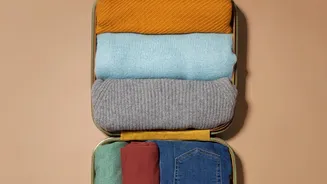
Using these bags effectively is an art. First, lay the bag flat and place your neatly folded or rolled clothes inside. Be careful not to overfill the bag past the indicated fill line. Seal the bag’s zipper, running your fingers along it multiple times to ensure it's completely airtight. Then, if it’s a roll-up bag, start rolling it tightly from the zipper end towards the bottom. You will feel the air escaping through the one-way valves. If using a valve bag, attach the pump or vacuum and extract the air until the bag is flat and compressed. The result is a dense, compact brick of clothing that takes up significantly less space in your suitcase.
The Wrinkle Question
A common concern with compression bags is whether they cause wrinkles. The truth is, they can, especially if you overfill them or use cheaper, stiffer bags. To minimise creasing, many travellers swear by rolling their clothes tightly before placing them inside the bags. Rolling creates fewer hard folds than stacking. Another trick is to unpack and hang your clothes as soon as you arrive at your destination. For business travellers or those concerned about formal wear, you might place more delicate items in a separate, non-compressed packing cube or lay them flat on top.
Building Your 10-Day Capsule Wardrobe
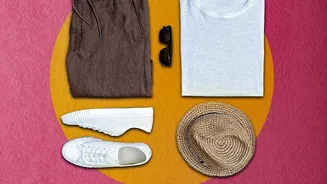
Air extraction bags are only part of the puzzle. The clothes you choose are just as important. For a ten-day trip, focus on creating a 'capsule wardrobe'—a collection of versatile items that can be mixed and matched. Choose a neutral colour palette (like black, grey, navy, and beige) for your main pieces and add colour with smaller accessories. Pack items that can be layered. Think thin long-sleeved shirts, a versatile sweater, a lightweight jacket, and perhaps one or two pairs of trousers that work for multiple occasions. This eliminates the need for single-use outfits and drastically cuts down on what you need to pack.
Assembling Your Carry-On
Once your clothes are compressed, it’s time to pack the suitcase. Think of it like a game of Tetris. Place your compressed clothing 'bricks' at the bottom. Use smaller packing cubes for underwear, socks, and electronics to fill in the gaps. Wear your bulkiest items, like your heaviest shoes and coat, on the plane to save space. Toiletries should be travel-sized (under 100ml for liquids) and placed in a clear, accessible bag. By organising everything into cubes and compressed bags, you not only save space but also keep your suitcase tidy and make it easy to find what you need without unpacking everything.