

The Problem with 'Juice' Today
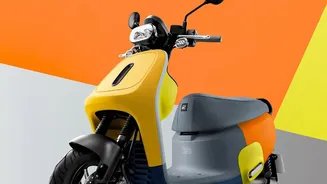
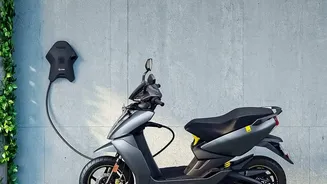
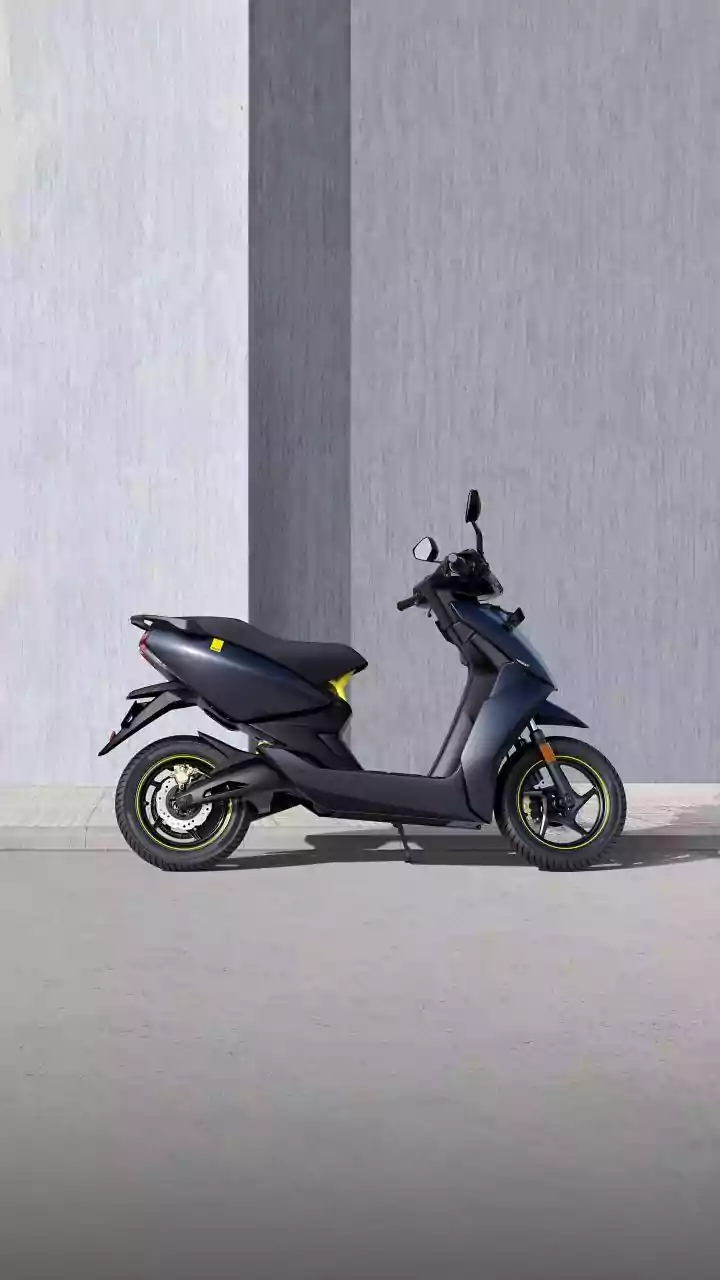
Virtually every electric scooter on Indian roads today uses a lithium-ion battery. This technology has been brilliant, making EVs affordable and accessible. But it has its limits. The core of the battery is a liquid or gel-like substance called an electrolyte,
which allows energy to flow. This liquid is the reason for the trade-offs we all know: slow charging speeds to prevent damage, a noticeable drop in performance in extreme heat or cold, and a small but persistent risk of fire if the battery is damaged. Manufacturers have nearly pushed this liquid-based technology to its physical limits, meaning a massive leap in charging speed or range isn't likely to come from the batteries we currently use.
Enter the Solid-State Solution
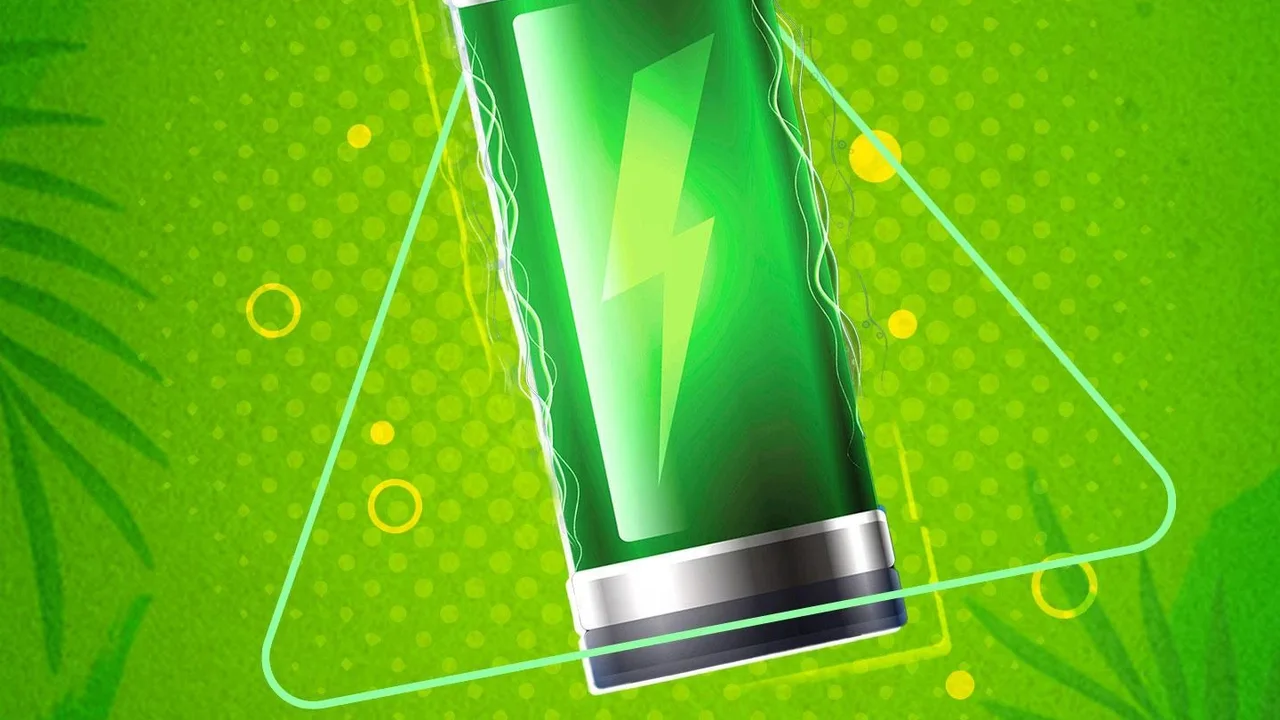
Solid-state batteries are exactly what they sound like: batteries that use a solid electrolyte instead of a liquid one. Imagine the liquid in a current battery as a crowded swimming pool that ions have to navigate. A solid electrolyte is more like a perfectly designed multi-lane highway, letting them move more freely and efficiently. This single change from liquid to solid unlocks a cascade of benefits. The solid structure is not flammable, which immediately makes the battery much safer. It also allows for the use of more advanced materials, like lithium metal anodes, which can store far more energy in the same amount of space.
How Fast Is 'Ultra-Fast'?
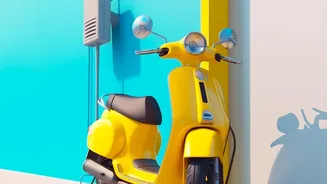
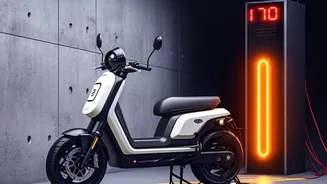
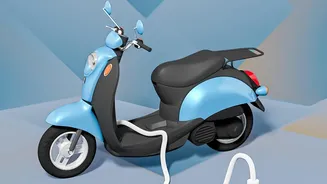
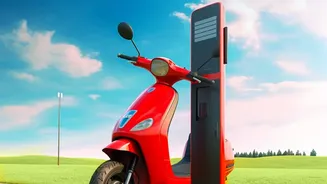
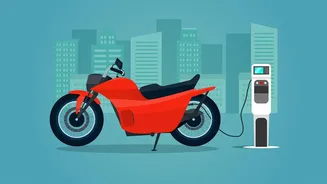
This is the game-changer for scooter riders. Because solid electrolytes are more stable and can handle more stress, they can be charged at much higher rates. While your current scooter might take three to five hours for a full charge, researchers and companies developing solid-state technology are reporting charge times of 80% in just 10 to 15 minutes. Some labs even claim a full charge in as little as five minutes, which is faster than filling a petrol tank. This would transform the ownership experience. Instead of planning your day around overnight charging, a quick stop at a charging point for the time it takes to drink a cup of chai could give you a full battery. This effectively eliminates range anxiety and makes electric scooters as convenient as their petrol counterparts.
Beyond Speed: A Safer and Longer Ride
While speed is the headline promise, the other benefits are just as crucial for Indian riders. Higher energy density means a battery of the same size and weight could offer significantly more range—potentially 50-100% more. A scooter that currently gets 100 km per charge could potentially travel 150 km or more with a solid-state pack. Furthermore, these batteries are far more resilient to temperature. They perform consistently in both scorching summer heat and colder conditions where current batteries struggle. The lack of flammable liquid drastically reduces the risk of thermal runaway and fires, a key safety concern that has made some consumers hesitant to switch to electric.
When Will This Tech Hit Indian Roads?
This isn't science fiction, but it won't be in showrooms tomorrow. The biggest hurdles are manufacturing cost and scale. As of 2026, the first commercial solid-state batteries are appearing in high-end, premium vehicles. For the mass-market scooter segment, the timeline is likely a few years away. Experts predict that high-end electric scooters might start offering solid-state options as a premium upgrade around 2027-2028, with wider adoption in mid-range models happening closer to 2030 as costs come down. In India, companies like Ola Electric are already investing in solid-state research, signalling that the industry is preparing for this shift.