


The Shift Away from Syrups
For years, the standard cold tea was a predictable affair: a base of black or green tea shaken with a generous pump of flavoured syrup. While convenient, these concoctions were often laden with refined sugars and artificial additives, a fact that has
not gone unnoticed by today's increasingly health-conscious consumers. As people prioritise wellness and clean eating, the demand for natural, transparent, and less sugary options has soared. This cultural shift has sent cafes and beverage brands back to the drawing board, pushing them to innovate beyond the syrup bottle and explore more wholesome ways to create delicious and appealing drinks. The answer, it turns out, has been growing in our own backyards all along.
Enter India's Botanical Bounty
India's rich biodiversity offers a treasure trove of flowers, herbs, and fruits perfectly suited for flavouring and naturally sweetening beverages. These native botanicals not only provide unique and complex taste profiles but also come with a host of traditional wellness benefits. This 'farm-to-cup' philosophy is gaining momentum, with establishments embracing local sourcing to create drinks that are fresh, seasonal, and sustainable. By turning to these ingredients, cafes are crafting a new narrative for cold teas—one that is rooted in tradition, celebrates regional flora, and delivers a truly authentic taste experience without the need for artificial enhancers.
Spotlight: The Stars of the New Menu
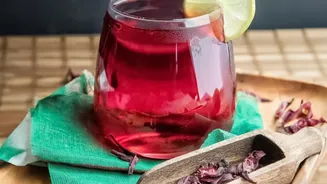
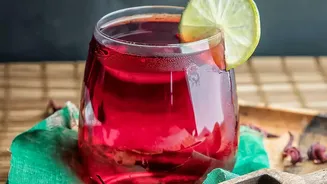
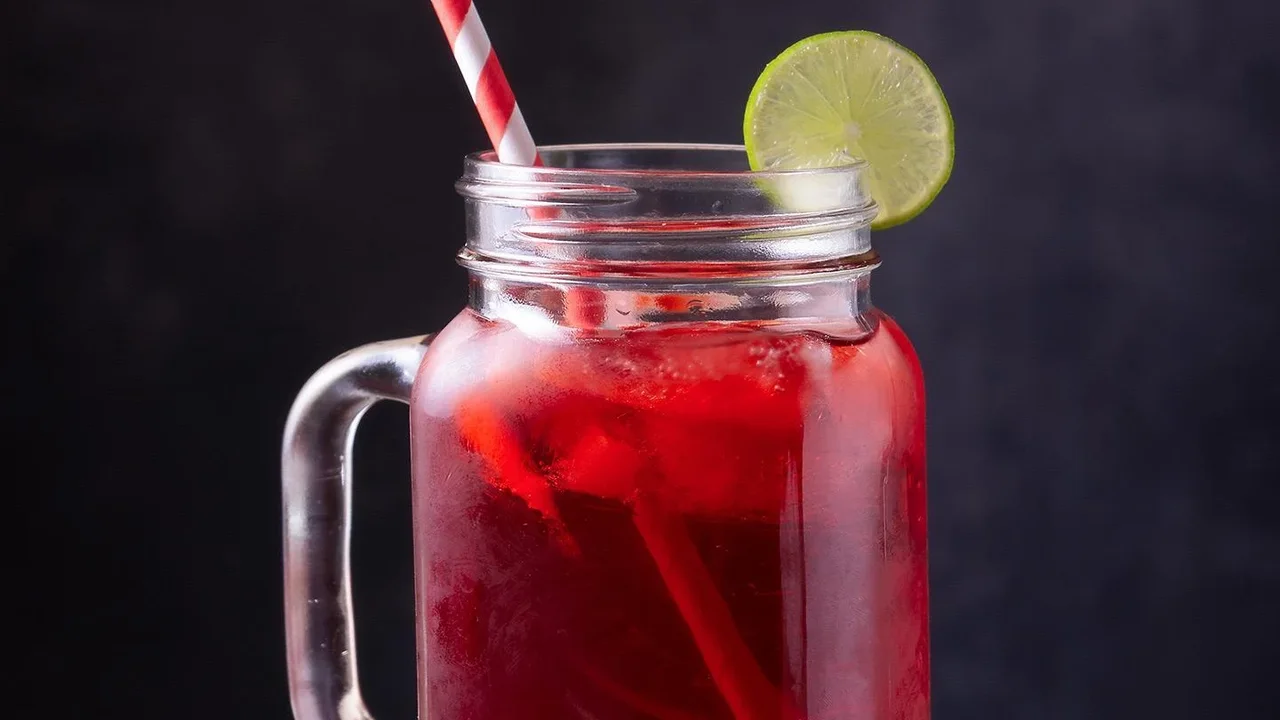
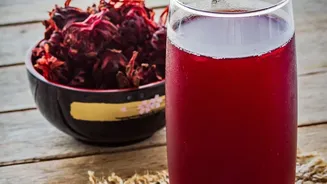
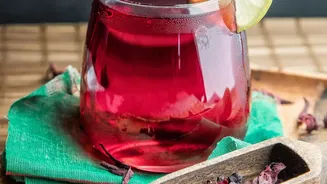
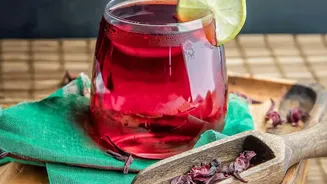
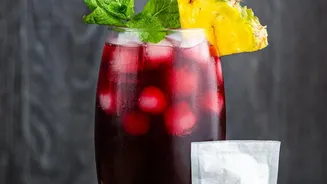
Several key botanicals are leading this flavour revolution. The vibrant Aparajita, or Butterfly Pea Flower, is a standout. Native to Asia, it infuses drinks with a stunning blue or purple hue and is packed with antioxidants. Its earthy flavour is subtle, making it a versatile base. Another favourite is Hibiscus, whose deep crimson colour and tart, cranberry-like taste make it a natural for refreshing coolers. It's known to be rich in antioxidants like vitamin C and is traditionally used to support liver health and manage blood pressure. From the Himalayas comes Buransh, the rhododendron flower. Its juice creates a floral, slightly tangy concentrate that is both a delicacy and a traditional remedy for various ailments. Jamun, the Indian blackberry, and Amla, the Indian gooseberry, are also being used for their tartness and nutritional value, offering a distinctly Indian flavour profile that is both nostalgic and modern.
More Than Just a Pretty Drink
This trend extends far beyond just flavour and aesthetics. By incorporating indigenous botanicals, the food and beverage industry is fostering a deeper connection to local agriculture and traditional knowledge. This shift supports small-scale farmers and foragers who cultivate these plants, often using sustainable and organic methods. It also helps preserve and popularise ancient wisdom surrounding the medicinal and culinary uses of these plants, which have been part of Indian traditions for centuries. For consumers, choosing a beverage made with local botanicals becomes an act of conscious consumption—a way to support local economies, promote biodiversity, and embrace a more eco-friendly lifestyle. It’s a holistic approach where every sip tells a story of culture, community, and responsible sourcing.
What to Look for on the Menu
As you browse cafe menus, you'll see these ingredients appearing in creative new forms. Look for 'Butterfly Pea Flower Lemonade', where the colour magically changes from blue to purple with the addition of citrus, or 'Hibiscus Iced Tea', often paired with mint or ginger for an extra kick. You might find 'Rhododendron Coolers' or 'Jamun Spritzers' offered as seasonal specials. Some establishments are even creating their own house-made botanical syrups, a world away from the mass-produced versions. These drinks aren't just alternatives to coffee; they are becoming the main attraction, offering a functional, flavourful, and visually stunning experience that redefines what a cold beverage can be.